The forecast is based on the Medium-Term Fiscal Scenario Document for 2027–2029, which was approved today by the Council of Ministers and will serve as the basis for developing the Economic and Social Development Plan and State Budget (PESOE) for 2027. This was reported by the press secretary of the meeting in Maputo.
Fiscal Strategy and Macroeconomics
Innocencius Impissa specified that this document is the 'main instrument for the state's macrofiscal and budgetary planning,' as it establishes the 'fiscal strategy, macroeconomic and fiscal forecasts, as well as general spending limits for the three-year period.' He added that this allows for the 'consolidation of preparation' of the PESOE, strengthening discipline, predictability, and transparency in public financial management.
According to the representative, the 'Medium-Term Fiscal Scenario for 2027–2029 defines a prudent, realistic, and achievable fiscal framework focused on macroeconomic stability and the sustainability of public finances.'
GDP Growth Forecasts
Impissa noted that the government expects 'a gradual recovery of economic activity amid external difficulties, including restrictive financial conditions, commodity price volatility, and climate risks.' In the baseline scenario, real GDP should grow by an average of about 4.9% per year with gas and 2.1% without it; however, by 2029, with the start of liquefied natural gas production projects, growth could reach 9.5%.
Gas Extraction Projects
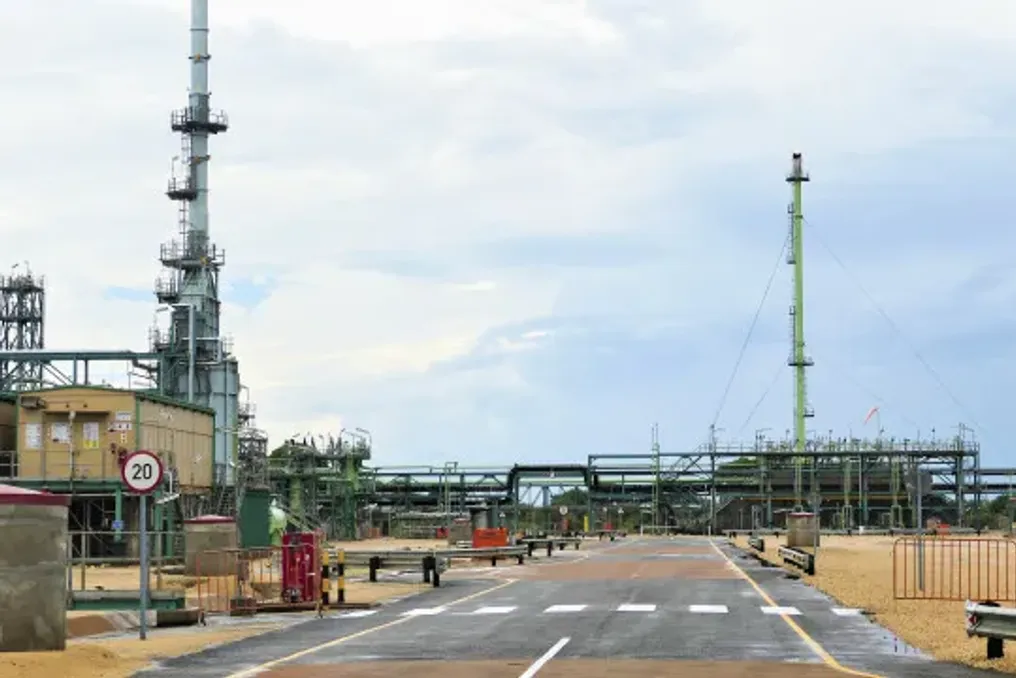
Mozambique has three mega-projects approved for LNG reserve exploration in the Rovuma Basin, considered among the largest in the world, located off the coast of Cabo Delgado. These include the TotalEnergies project, which is being renewed, and the ExxonMobil project (18 million tons per year, valued at $30 billion, or €26.1 billion), awaiting a final investment decision. Both projects are located on the Afungi Peninsula. Joining them is the Italian company Eni, which has been producing about seven million tons per year since 2022 from the floating platform Coral Sul. Starting in 2028, this platform will be doubled by the second platform, Coral Norte, as part of a $7.2 billion (€6.2 billion) investment, with plans for a third facility.
Financial Consolidation and Debt
The government document also provides for a gradual reduction in inflation, which is expected to fall from 8.7% in 2026 to approximately 5.5% in 2029. The press secretary emphasized that the approved scenario reflects the government's commitment to gradual public finance consolidation. To achieve this, 'internal revenue mobilization, increased efficiency of public spending, and containment of structural pressure, especially regarding payroll and debt obligations' will be strengthened.
The government will continue to prioritize selective and phased public investments aimed at strategic sectors such as infrastructure, agriculture, energy, human capital, and economic structural transformation. Furthermore, a gradual decrease in the share of public debt in the economy is expected: it should fall from 72.2% of GDP in 2025 to 67.1% in 2029. Debt servicing should also significantly decrease through more prudent management, increased use of concessional financing, and reduced exposure to short-term instruments.
Risks and Next Steps
Nevertheless, the government acknowledges the presence of 'internal and external' risks that could jeopardize the achievement of the forecasts, including climate shocks, security issues, rigidity of public spending, international market volatility, and global financial conditions. However, it was stated that the government will continue to monitor these risks and take necessary measures to maintain the stability of public finances. With the approval of the document, the foundations for preparing next year's budget were laid, Impissa added.