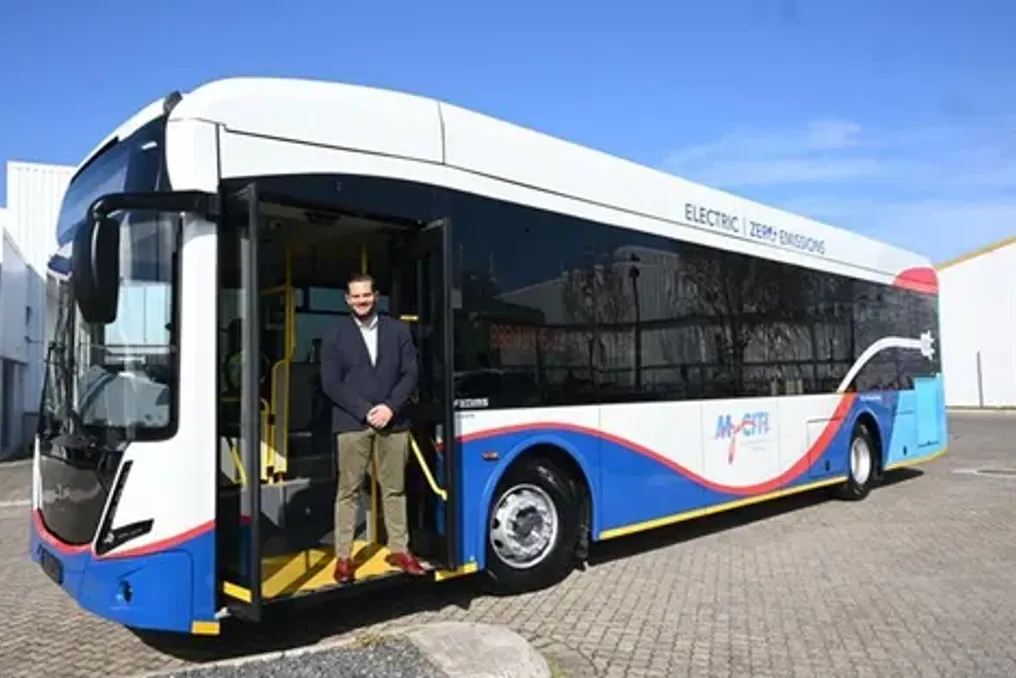
Cape Town is acquiring 38 low-floor battery electric buses as part of the expansion of the MyCiTi bus service in the metro-southeast region.
A Significant Step in Transport Development
These 12-meter Volvo BZRLE vehicles mark an important milestone as they are equipped with the first MyCiTi bodies, designed and manufactured locally in Gauteng, South Africa. Although the full fleet is planned to be operational in 2027, the first buses are expected to arrive this calendar year.
Comments on the Shift to Eco-Friendly Transport
Rob Quintas, a member of the City's Mayoral Committee for Urban Mobility and advisor, characterized the arrival of the first electric bus as a turning point in the service's 16-year history. He noted that it signals a transition to a more sustainable, reliable, and cost-effective public transport system. Quintas mentioned that some international operators have achieved a 70% reduction in operating costs by using electric buses.
Prototype Testing in the City
The advisor expressed a desire to observe the vehicle's operation under local conditions over the coming weeks, especially given the current instability of the global energy market. The prototype bus is adorned with familiar MyCiTi colours and will be tested on several routes across Cape Town, including Hospital Bend, the N2 highway in Camps Bay, and potentially other roads such as Polkadraai Road and Jip de Jager Drive.
Goals of the Pilot Program
Quintas emphasized that this low-floor bus will feature clear branding. While the pilot program will test the vehicle in various urban settings, this electric fleet is specifically intended for the second phase of MyCiTi service. These routes will connect Mitchells Plain and Khayelitsha with Wynberg and Claremont, as well as several destinations in central Cape Town.
Scientific Research and Future Investments
Research conducted in partnership with the University of Cape Town and funded by the City and UEMI is assessing the performance of the electric buses on different routes. This pilot project analyzes battery life, energy consumption, and impact on the local climate to improve the City's operational planning, including infrastructure readiness and maintenance. Advisor Quintas stated that such research is critical for understanding how electric buses operate in a specific local environment and identifying potential issues before the fleet launches in 2027. The collected data will help effectively implement the electric fleet and guide future investments in zero-emission public transport, contributing to the City's sustainability while maintaining efficient mobility for Cape Town residents.