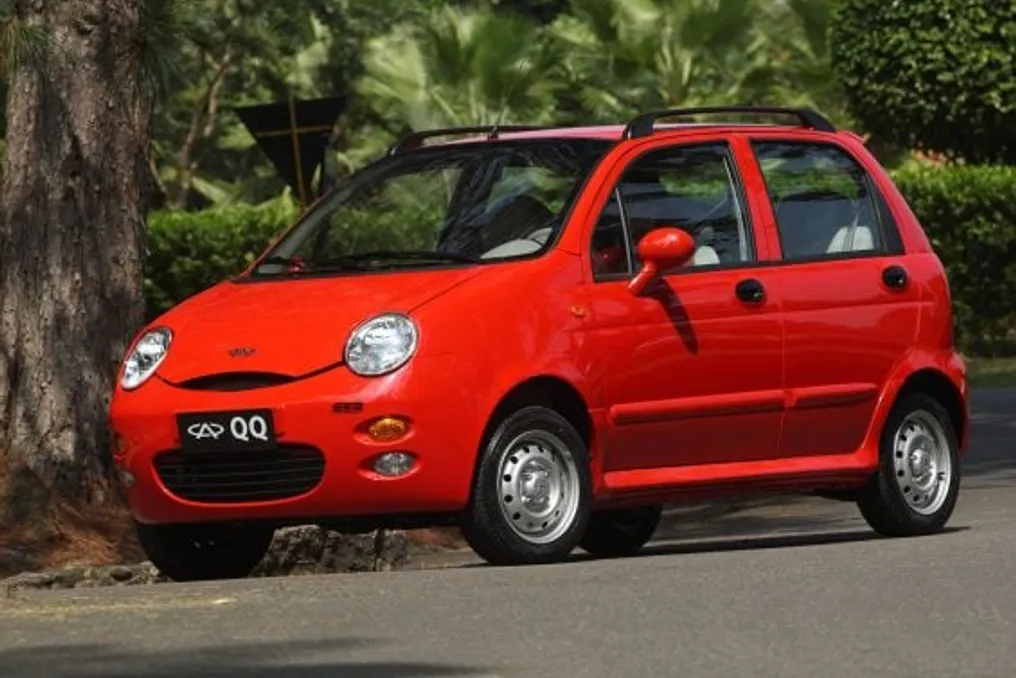
According to a new study, young South Africans under the age of 35 play a smaller role in the country's automotive market compared to a decade ago. This is linked to economic pressures making car ownership less affordable.
Decline in Youth Purchasing Power
The study conducted by Lightstone showed that stagnant incomes, persistently high youth unemployment, and the rising cost of living have reduced the purchasing power of young consumers. Additional pressure comes from higher fuel prices, insurance premiums, and maintenance costs, while for some buyers, the need for personal transport is decreasing due to the development of public transport.
Vehicle Market Dynamics
The research indicated that in 2025, buyers under 35 accounted for 31% of all new light vehicle sales, down from 37% in 2015. This trend is more pronounced in the used car market: ten years ago, the share of buyers under 35 in used car purchases was 45%, but this dropped to 37% by 2025. Despite the overall decline, young drivers prefer used cars over new ones, especially those under 25. This age group shows the highest percentage of used car purchases relative to new ones, reflecting that affordability remains the primary criterion for first-time buyers and young professionals.
New Car Sales Recovery
The study also highlights the evolution of the South African automotive market over the last decade. New car sales reached their previous peak in 2015 after several years of strong growth, which then sharply declined during the Covid-19 pandemic. As the availability of new vehicles worsened, many consumers shifted to the used vehicle market. Since then, new car sales have gradually recovered, with 2025 being the strongest year for new light vehicle sales since 2015, signaling a gradual return of pre-pandemic demand.
Dominance of Petrol Engines
When making purchasing decisions among young South Africans, internal combustion engines still dominate. In 2025, petrol cars made up about 80% of all purchases by buyers under 35, while diesel models accounted for just under 20%. Alternative powertrains remain a niche choice: traditional hybrids, plug-in hybrids, and battery electric vehicles together accounted for only about 1% of purchases among young buyers. Young buyers under 35 accounted for approximately 40% of all petrol car sales in 2025. Their contribution was significantly lower in other fuel categories: they represented only 24% of diesel sales, 21% of hybrid sales, 14% of plug-in hybrid sales, and only 13% of battery electric vehicle sales. This suggests that while electrified vehicles are gradually gaining popularity, they remain largely inaccessible to youth, likely due to higher purchase prices.
Rise in Popularity of Chinese Brands
One of the most evident trends identified by the study is the rapid rise of Chinese automotive brands among young buyers. Brands such as Haval, Chery, and BYD have significantly increased their presence in the South African market over the past decade. In 2015, Chinese brands accounted for only about 1% of all vehicle purchases by buyers under 35. By 2025, this figure has risen to over 10%, making them one of the fastest-growing segments among the youth. Young buyers have also become a larger proportion of all Chinese brand purchases, increasing from 27% in 2015 to 30% in 2025. This growth reflects the increasingly competitive position of Chinese manufacturers, who have gained popularity through aggressive pricing, long warranty packages, high levels of equipment, and improved build quality. Although established Japanese, European, and Korean manufacturers continue to dominate overall sales, the data indicates that Chinese brands are becoming an increasingly attractive option for budget-conscious young South Africans without sacrificing features. The CEO of the Automobile Association, Bobby Ramagwede, advises young people to check safety ratings regardless of their first car choice. He emphasized that 'safety equipment and vehicles built to high structural safety standards should never be optional extras in a base model or a feature reserved for markets outside Africa, and manufacturers should not hide behind the unfortunate absence of strict local vehicle safety laws. Visiting our website will show NCAP safety ratings for many entry-level models sold locally, which should indeed play a role in this critical buying decision.'