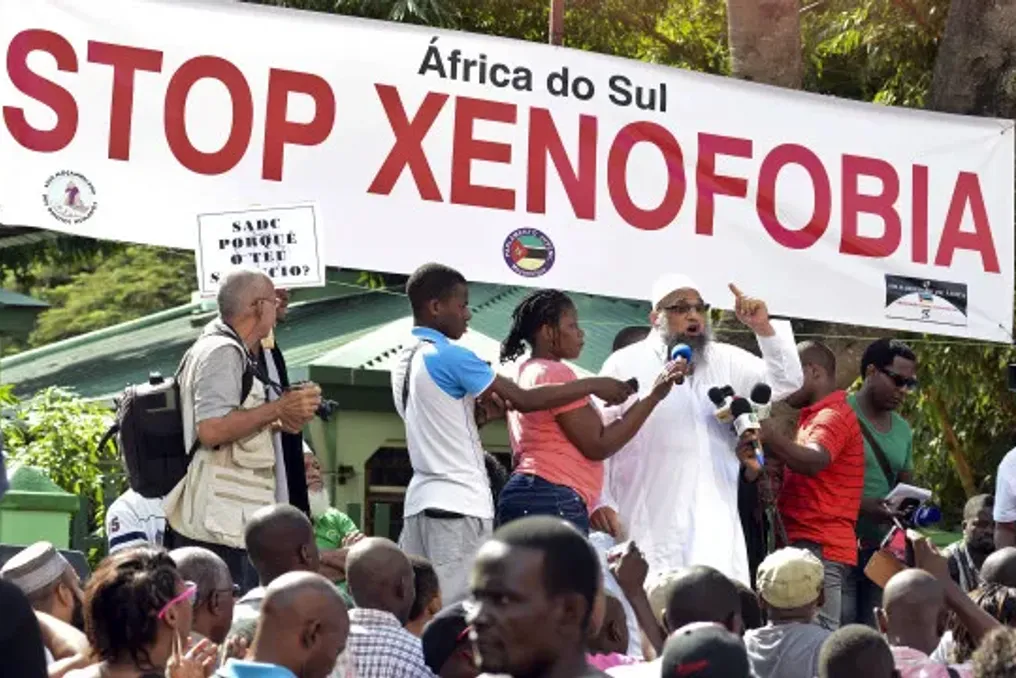
Mozambique has accepted 1363 citizens who were victims of xenophobia in South Africa. Inosensio Impissa, the spokesperson for the Council of Ministers, informed journalists in Maputo that 1363 national citizens have been repatriated since the start of the xenophobic attacks, with 625 people arriving in the country between July 1 and 4.
Government Work and Professions
The government is working to ensure the continuity of citizens' work by mapping their professions. Of the total number of repatriated individuals, 809 reported having a profession, including stonemasons (363 people), artisans (102), domestic workers (77), artists (87), as well as electricians, carpenters, tilers, and plumbers, each accounting for less than 20 people.
Integration and International Cooperation
The government stated that the process of certifying these repatriated citizens for professional placement abroad under labor mobility memorandums with countries such as Portugal and the United Arab Emirates is currently underway. The President of Mozambique previously announced on July 4 that the government is considering including victims of xenophobia in major projects being implemented in the country, as well as in other foreign vacancies within the framework of international cooperation to address unemployment.
Situation in South Africa and Aid to Migrants
The spokesperson also noted an increase in attacks across various provinces of South Africa. Incidents include robberies and arson of residential homes, looting, physical violence, intimidation, and forced eviction of foreign nationals from their communities. Impissa added that the country has already received at least 6156 Malawian citizens in transit, who were subsequently transported to the Tete province, located in the center of the country, on the border between Malawi and Mozambique.
Consular Support and Political Reaction
The Ministry of Foreign Affairs continues to interact with the Embassy of Malawi in Mozambique to improve coordination of actions for transporting and assisting Malawian citizens transiting through Mozambique to that country. Episodes of violence against foreigners prompted the Mozambican government to strengthen consular assistance and repatriation operations for affected citizens, while continuing to monitor the situation through diplomatic and consular missions in South Africa.
Anti-immigrant demonstrators from South Africa issued an ultimatum by June 30, demanding that all foreigners leave the country. The South African government recently announced the introduction of restrictions in migration policy and increased security, while Mozambique today accepted another 65 repatriated national citizens.
Scale of Violence
The President of Mozambique acknowledged the escalation of xenophobia in South Africa on July 1 following violent incidents involving Mozambican citizens and guaranteed the availability of logistical conditions for the repatriation and accommodation of victims. The Mozambican government reported on the same day that at least 283 Mozambicans were attacked, their homes burned, and property looted during the latest wave of xenophobic attacks in South Africa, in an effort to provide them with assistance and repatriation. The next day, the President of Mozambique stated that 38 Mozambicans legally residing in South Africa were attacked and evicted from their homes during the xenophobic attacks. Mozambique has about 300,000 citizens living in South Africa, and the President indicated in his statement that 'thousands' have already returned to the country due to violence.