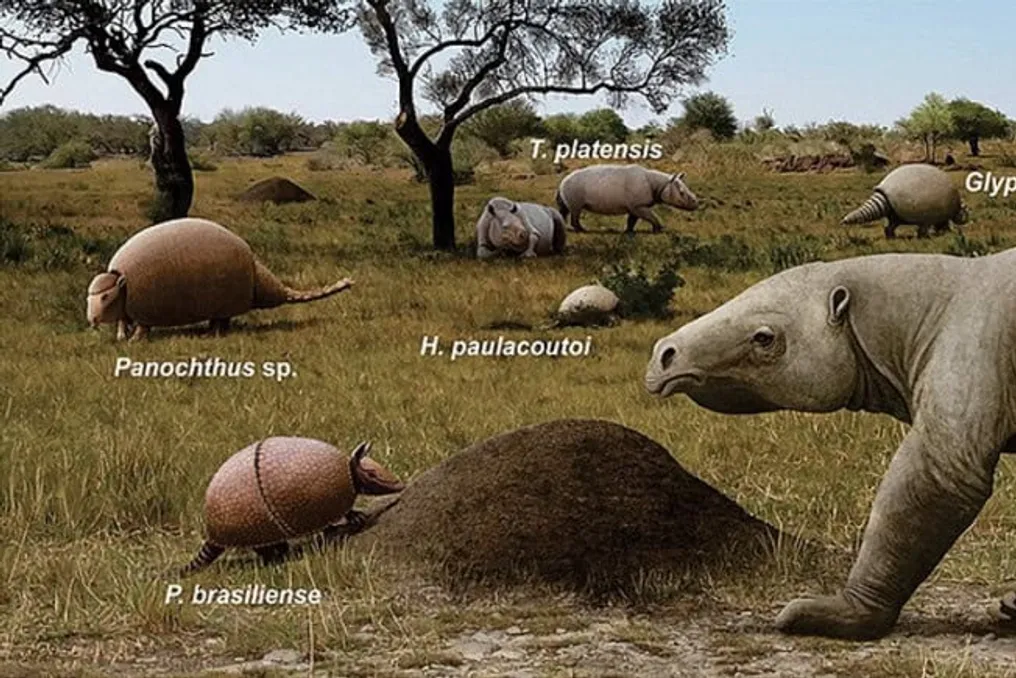
An investigation based on fossil findings demonstrated that the cattle currently present in the Brazilian Pampa cannot assume all the ecological functions previously performed by large mammals that went extinct approximately 12 thousand years ago.
Impact of extinction on biodiversity
The research indicates that the disappearance of this megafauna resulted in a decrease in the biome's diversity and modified crucial environmental functions for the ecosystem's balance.
Historical comparison of the Pampa
The study, published in the journal Functional Ecology and disseminated by the USP Journal, compared three phases in the history of the Pampa: the Pleistocene, the period before the megafauna extinction; the Holocene, subsequent to this event; and the contemporary period, which includes species introduced by humans.
The research team included Thayara Carrasco, a postdoctoral researcher from the Institute of Biosciences (IB) at USP, along with other academics from the university itself and Swansea University, located in the United Kingdom. To understand the environmental transformations, researchers analyzed fossils found in the region, using characteristics such as physical size, diet, and habitat type to identify the ecological functions lost with the end of the large species.
Data on functional loss
The results indicate that the extinction that occurred during the transition between the Pleistocene and the Holocene caused a 30% reduction in terrestrial mammal diversity and a 40% drop in the functional diversity of the Brazilian Pampa.
Contribution of introduced species
Although some current species perform roles similar to those of extinct animals, they cannot fully restore the ecological variety that existed before the decline of the megafauna. Examples cited include the Axis deer (Axis axis), an invasive exotic species spread throughout Brazil, the domestic horse (Equus ferus), and other species that partially fill the functions left by extinct deer and horses, in addition to domestic animals that assist in certain functions of the grassland environment.
The presence of these introduced animals increased the functional richness assessed by scientists by 12%. However, most of these human-introduced species have similar ecological functions among themselves, failing to recover all the diversity that was lost. Pedro Godoy, a professor in the Department of Zoology at IB and co-author of the article, commented to the USP Journal that, although cattle represent a new impact on this environment, it is still considered less harmful than monoculture practices.
Past influence on the future of the biome
During the Pleistocene, which extended from 2.6 million to 11.7 thousand years ago, the Pampa housed animals such as mastodons, giant sloths, and glyptodonts. All mammals weighing over 500 kilograms disappeared. Thayara Carrasco explained that, through fossils, it is possible to infer information about the diet of these animals, the type of soil they lived in, whether they were terrestrial or dug burrows, as was the case with some giant sloths.
The research also distinguished between functional diversity and taxonomic diversity: while the former refers to the unique roles played by species in the environment, the latter measures the total number of species present.
Current conservation status
Currently, the Pampa is classified as the least protected and preserved biome in Brazil. The data presented in the study show that only 47.3% of native vegetation remains intact, and only 3% constitutes conservation areas. Researchers hope that this analysis will serve as a guide for formulating public policies aimed at protecting the fauna and the biome itself, reinforcing that knowledge of the history of extinct animals is vital for the preservation of current ecosystems.