A significant part of learning happens through personal experience. Exploring ancient caves, discovering fossils, observing marine life, or spending a day on an active farm can spark curiosity in ways that books sometimes cannot.
More and more families are seeking travel experiences that are both engaging and enriching. South Africa offers numerous opportunities to achieve both goals. Across the country, children can learn through hands-on activities, interactive attractions, and unforgettable outdoor adventures, turning every trip into a chance to discover something new.
Exploring Prehistoric History
Long before lions and elephants roamed South Africa, this land was inhabited by dinosaurs. Visiting sites rich in fossils brings prehistoric history to life in a way no illustrated book can.
The West Coast Fossil Park, located just an hour's drive from Cape Town, allows families to find fossils dating back about five million years. Guided tours showcase the remains of extinct animals, including the famous short-necked giraffe, saber-toothed cats, and giant bears that once lived in the region. Interactive exhibits help younger visitors understand the process of fossil formation and what it tells us about life millions of years ago.
Further inland, the Golden Gate Highlands National Park is known for preserving some of the world's oldest known dinosaur embryos, while the surrounding sandstone cliffs tell an ancient geological story. Children interested in rocks, fossils, and dinosaurs will find plenty of material to fuel their imagination.
Discovering Hidden Underground Worlds
Entering a cave feels like stepping into another world. The Cango Caves near Oudtshoorn remain one of South Africa's most iconic natural attractions, featuring vast chambers filled with towering stalactites and stalagmites formed over millions of years.
A standard heritage tour suits most families, while older and bolder children can enjoy narrow passages on an adventure tour. In the Mpumalanga province, the Sudwala Caves offer another thrilling underground experience. They are considered among the oldest caves on Earth and introduce children to geology, subterranean ecosystems, and the slow natural processes that formed these remarkable structures.
Visiting caves naturally prompts children to ask questions about rocks, water, time, and how landscapes change over millions of years.
Diving into the Underwater World
Marine life often looks much more exciting when children can see it up close. The Two Oceans Aquarium in Cape Town introduces visitors to the incredible biodiversity found where the Atlantic and Indian Oceans meet. Children can watch sharks glide overhead, observe playful penguins, admire colorful reef fish, and learn about ocean conservation through interactive displays and daily presentations.
On the east coast, the uShaka Sea World in Durban combines entertainment with education, offering animal encounters, nature conservation lectures, and exhibits explaining the importance of protecting marine ecosystems. For many children, personally observing these animals fosters a lifelong affinity for the ocean and its inhabitants.
Studying Human History
South Africa is home to some of the world's most important archaeological discoveries, making it an incredible destination for curious young minds. In Maropeng, the official Cradle of Humankind visitor center, families go through interactive exhibits exploring the formation of the Earth, early life, and human evolution. These exhibitions are designed to make complex scientific concepts accessible to visitors of all ages.
Nearby, Sterkfontein Caves provide insight into one of the world's richest paleontological sites, where some of humanity's earliest ancestors were discovered. These places transform history from something children simply read about into something they can experience firsthand.
Stargazing
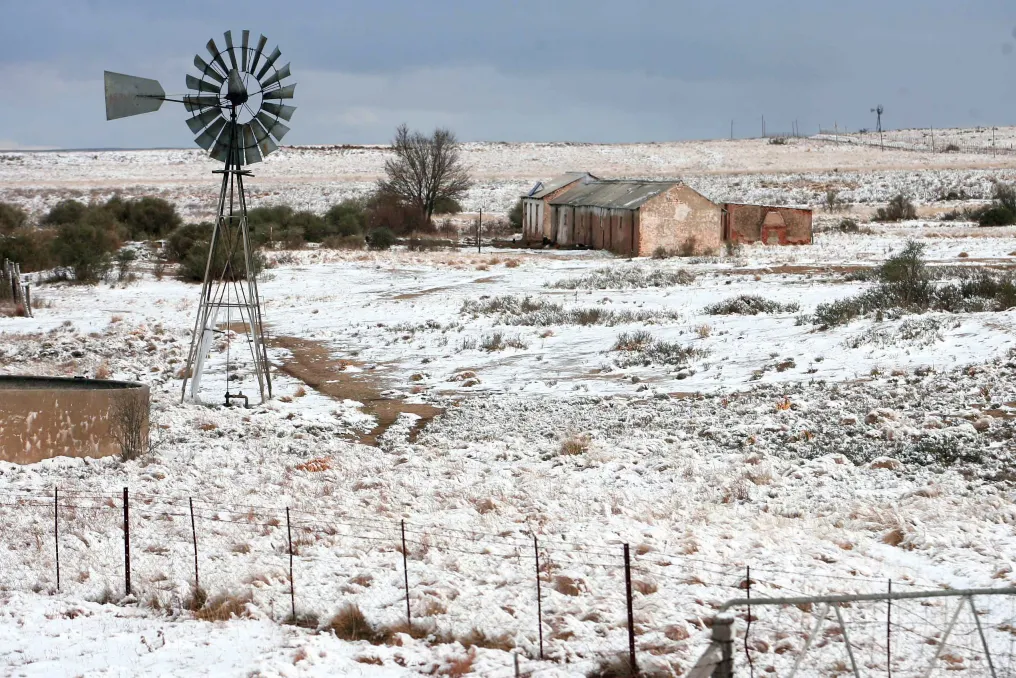
Gazing at the clear night sky has inspired generations of explorers, and South Africa offers some of the best conditions for stargazing in the world. The small town of Karoo Town in Sutherland is internationally recognized for its exceptionally dark skies and is home to the South African Large Telescope (SALT), the largest optical telescope in the Southern Hemisphere. Tours introduce visitors to astronomy, and evening stargazing sessions reveal planets, constellations, and distant galaxies.
Closer to Cape Town, the South African Astronomical Observatory regularly holds public open nights, allowing families to learn more about space through lectures and telescope viewing. For children with endless questions about planets and stars, these experiences can be unforgettable.
Experiencing Living Heritage of South Africa
History becomes much more engaging when children see traditions in action. In cultural villages such as the Ndebele Cultural Village, families can learn about the traditional architecture, music, dances, and storytelling of the Ndebele people, studying customs that continue to shape South African culture today.
Meanwhile, the Kimberley Big Hole offers a fascinating look at the history of diamond mining in South Africa. Interactive displays, reconstructed buildings, and historical artifacts help children understand how the mining industry transformed the country's economy and communities. These experiences stimulate discussion about culture, heritage, and the people who helped shape South Africa.
Learning About Food Origins
Many children only know about their favorite foods from supermarket shelves. Visiting working farms helps bridge this gap. Boshendal in Cape Winelands welcomes families, offering gardens, fruit trees, farm animals, and seasonal activities that introduce children to sustainable farming methods. Young guests can walk along nature trails, interact with animals, and learn how fresh produce is grown.
Along the Garden Route, Farm Redberry combines outdoor fun with education. Children can pick strawberries in season, explore a giant hedge maze, and learn more about agriculture through practical experience. Visiting farms naturally cultivates responsibility, environmental awareness, and an understanding of where food comes from.
Science Through Play
Science becomes much more interesting when children can conduct experiments themselves. The Sci-Bono Discovery Centre in Johannesburg is filled with interactive exhibits covering physics, engineering, robotics, and mathematics. Instead of just reading information boards, children are encouraged to touch, test, and explore.
In Cape Town, the Iziko South African Museum combines fascinating dinosaur skeletons, marine life exhibits, and natural history collections that appeal to children with diverse interests. Interactive museums promote problem-solving skills, making learning feel like play.
In conclusion, an educational trip does not have to follow a strict itinerary or resemble a school field trip. Often, the best learning happens in simple moments: noticing animal tracks on a hiking trail, identifying constellations on a clear winter night, or asking a guide one more question before leaving. By choosing destinations that encourage exploration and discovery, parents can organize a vacation that is entertaining, inspiring, and leaves children with memories, as well as lifelong curiosity and knowledge.