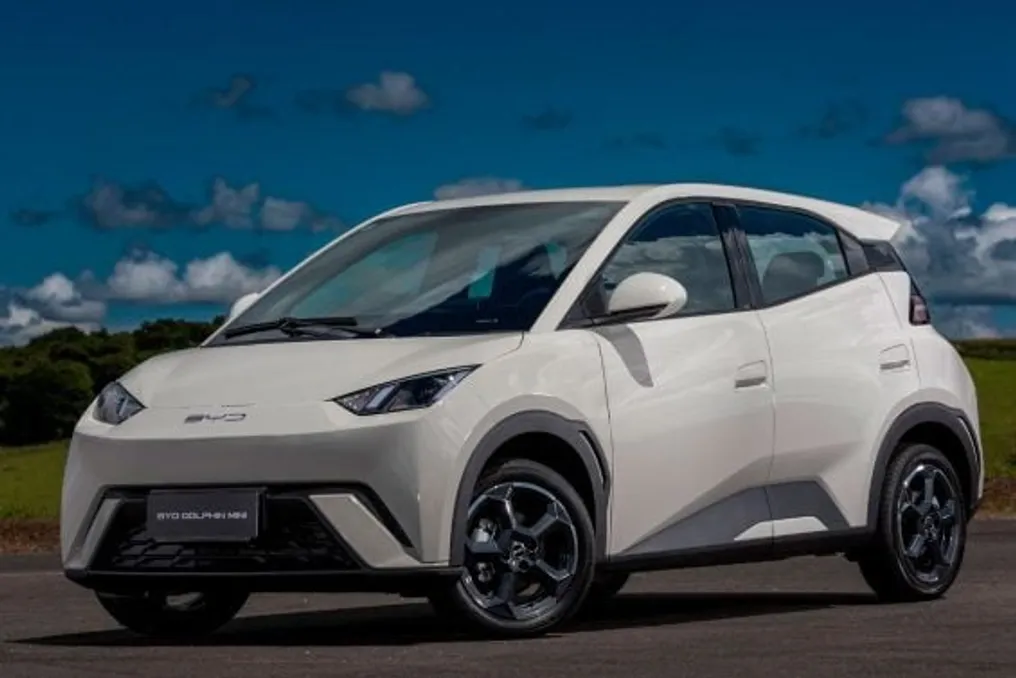
In the first half of 2026, 16 out of every 100 light vehicles sold in Brazil were electrified. The participation of this segment, which includes fully electric models (BEV), plug-in hybrid (PHEV), and hybrid with electric drive without external recharging (HEV), more than doubled in twelve months, reaching 15.8% in the year's total. In June, this index reached a record of 18.3%.
Between January and June, 215,023 registrations were recorded, an increase of 125% compared to the same period in 2025 (which registered 95,493). The average monthly sales were 35,837 units. In June alone, the market reached 47,579 sales, setting a new monthly record for the entity and representing a growth of 206.5% compared to June of the previous year (15,525).
This advance significantly surpassed the growth of the general automotive market, which grew by 20% in the semester. Meanwhile, electrified vehicles showed an expansion of 125%, growing six times faster than the total market.
Ricardo Bastos, president of ABVE, stated that the sector is reaping the first fruits of a joint effort in technological innovation by the automotive industry and the promotion of sustainable transport. According to him, factors such as the implementation of laws guaranteeing the right to recharge and the expansion of the electric charging station network contributed to electromobility gaining the confidence of the Brazilian consumer.
Among electrified vehicles, 100% electric models led sales in June, with 21,138 units, corresponding to 44.4% of the total. PHEVs came in second place, with 18,206 units (38.3%). HEVs totaled 4,507 units (9.5%), and Flex HEVs registered 3,728 units (7.8%).
The availability of models also followed this trend, increasing from 294 to 350 options between the first half of 2025 and the first half of 2026, an increase of 19%. This growth was driven by BEVs, which jumped from 152 to 192 units, representing a rise of 26%.
Charging infrastructure also showed growth. In June, there were 25,429 public and semi-public electric charging stations in the country, an increase of 21% compared to the 21,061 recorded in February, according to data from ABVE and Tupi Mobilidade. Fast chargers (DC) are already responsible for 34% of the total charging points.
In terms of geographical distribution, the Southeast region concentrated 44.7% of sales in the semester, followed by the Northeast (18.8%) and South (18%). Among the states, São Paulo led with 61,629 units (28.7%), ahead of the Federal District (18,131) and Minas Gerais (16,341).
In the semester total, BEVs accounted for 90,626 units (42.2% of the segment), while PHEVs totaled 76,400 units (35.5%). Flex HEVs (24,078) and HEVs (23,919) divided the remaining 22%, both showing a growth greater than 240% compared to the previous year.
Regarding municipalities, São Paulo (22,566), Brasília (18,131), and Belo Horizonte (9,896) were the locations with the highest number of electrified vehicle registrations. Micro-hybrids (MHEV), which ABVE stopped counting as electrified since January 2025 because they do not have autonomous electric drive, totaled 29,938 units in the semester, an increase of 10% over the 27,234 registered in 2025.