There are various types of cannabis, and some are considered safer than others. Experts suggest considering the method of consumption, similar to choosing any other medication, to use the lowest and safest dose that helps manage symptoms.
There are various types of cannabis, and some are considered safer than others. Experts suggest considering the method of consumption, similar to choosing any other medication, to use the lowest and safest dose that helps manage symptoms.
More than a quarter of the adult population in the US and Canada uses cannabis for medical purposes, with the vast majority, about 80 percent, preferring to smoke it. Peter Greenspun, a primary care physician and addiction specialist, warns that this is a bad idea for several reasons. He acknowledges the clinical effectiveness of smoking, for instance, for nausea and vomiting caused by chemotherapy when oral forms are not possible due to delayed onset.
However, although relief from smoking can occur within minutes, the effect lasts only two to four hours, requiring frequent re-dosing to control medical issues. The problem is that smoking heats the cannabis compounds. According to the American Lung Association, smoking, whether tobacco or cannabis, leads to combustion, releasing toxins, carcinogens, and irritants.
Even vaping, which does not involve combustion, can lead to the degradation of various compounds in cannabis and in vape cartridges in a way that can damage the lungs, according to David Kroll, a professor at the University of Colorado Anschutz.
Vape liquid or oil containing THC can sometimes contain compounds capable of harming the lungs. EVALI, or e-cigarette or vaping product use-associated lung injury, is a potentially life-threatening illness that was first linked to THC-containing vapes in 2019. By 2020, it led to 2807 hospitalizations and 68 deaths.
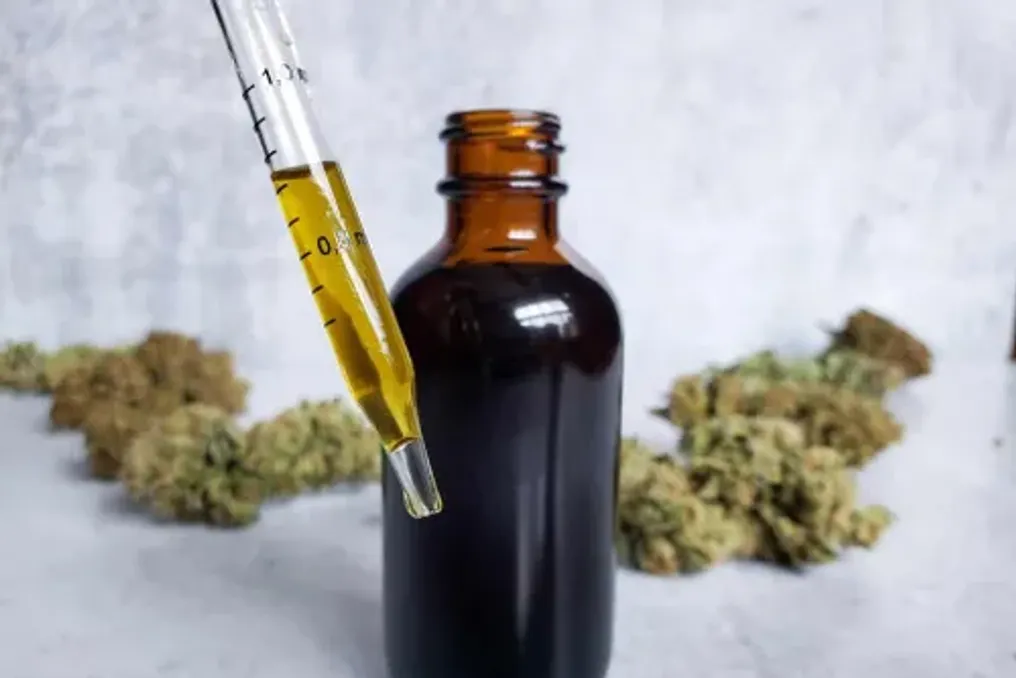
Greenspun believes that cannabis tinctures are the preferred delivery method. These concentrated liquids are easily dosed using the bottle's dropper. When taken sublingually, tinctures can begin to work in about 15 minutes—slower than smoking, but faster than edibles. Their effects can last from four to six hours.
Edibles have the drawback of a long onset time, and their taste can tempt a person to take too large a dose. Nevertheless, Greenspun believes that edibles are a very safe way to consume cannabis provided proper dosing is maintained. However, incorrect dosing happens frequently among new users who underestimate the potency of gummies and other edible products and take more before the first dose takes effect. Studies published in the Journal of Medical Toxicology show that most people who end up in the emergency room due to edible overdose use them.
Kroll notes that while edibles last longer than smoking, vaping, or tinctures, their effect duration is longer. Studies suggest that edibles may start working in one to three hours, and their effect can last from six to twelve hours. This extended period allows users to take edibles at regular intervals to maintain stable cannabinoid levels in the blood and combat chronic pain, which is a major advantage compared to needing to smoke several times a day for similar relief.
From a safety perspective, the form of the edible product—gummy, chocolate bar, cookie, or drink—matters little, provided an independent laboratory guarantees the contents. If the products are comparable, one can safely choose the cheapest or tastiest option. Preliminary studies indicate that cannabis drinks start working faster than edibles, but further research is needed on the effects of such beverages.
Capsules represent one of the more effective ways to take cannabis. Manufacturers have begun producing oral tablets where THC (tetrahydrocannabinol), the main psychoactive component, is mixed with ingredients that accelerate particle absorption to 'deliver THC into the bloodstream like a Trojan horse,' explains Kroll.
Greenspun considers tablets as effective as tinctures and edibles. They may be slightly safer than edibles because their taste does not tempt overconsumption, and they contain no fat, sugar, or calories.
Topical products are creams and gels applied directly to the skin. They contain cannabinoid compounds for localized pain relief and do not cause systemic psychoactive effects, making them a popular choice for those who do not want to feel intoxicated. Greenspun compares them to any other topical anti-inflammatory agent for joint pain sufferers. Topical products can start working within minutes, but the duration of the effect can vary.
Cannabis suppositories are also an effective way to provide localized relief without intoxication. They are small solid forms of marijuana inserted into the rectum or vagina. Kroll asserts that they are safe and effective, although more research is needed to determine optimal medical use. Greenspun explains that the goal is to deliver the medicine where it is needed, providing an anti-inflammatory effect in high concentration in the local area, with less substance entering the brain, reducing the likelihood of intoxication or side effects.
These suppositories can often contain a higher concentration of cannabinoids for relieving symptoms such as pain without causing intoxication. This can be useful for endometriosis, as the suppository can deliver a high concentration of cannabinoids to the uterus but not into the bloodstream. Greenspun notes that they are harder to find in a regular pharmacy, but a doctor can help gain access to them.
In conclusion, as with many things, scale is the deciding factor. An occasional sweet, oily cannabis brownie will not ruin an entire diet. One puff a week is unlikely to seriously harm the lungs or heart. However, as Greenspun suggested, 'smoking a puff every hour to manage pain would be harmful to [the lungs].' A reliable healthcare professional can help determine the safest form of cannabis and the minimum possible dose to alleviate symptoms while minimizing the risk of side effects.