NASA launched a robotic mission on Friday to prevent one of its aging telescopes from burning up in the atmosphere. This complex operation, expected to last several months, is an unprecedented $30 million project.
Details of the Rescue Mission
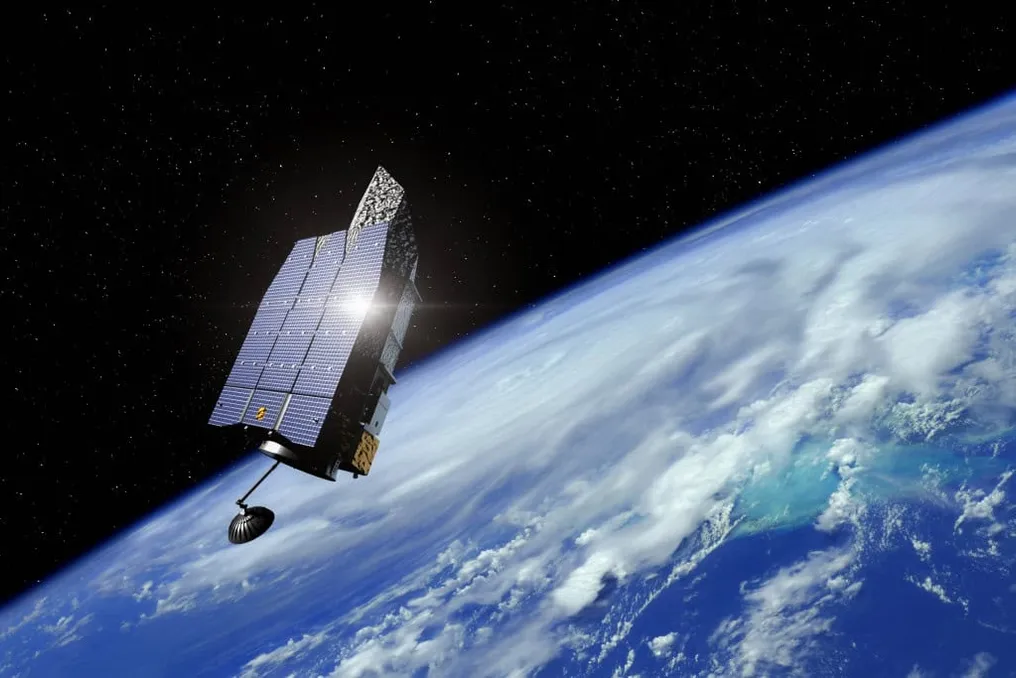
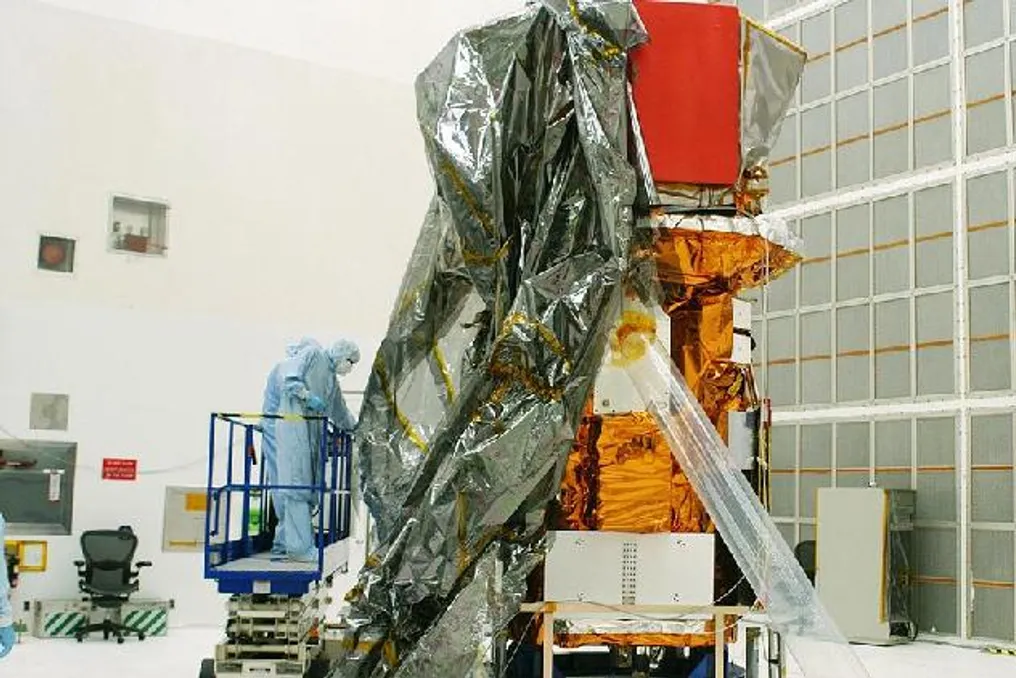
The mission aims to save the Swift space telescope, which is currently approaching Earth. If successful, this initiative could open the possibility of extending the service life of other satellites.
The robot launch, originally scheduled for Tuesday, was postponed due to weather conditions and technical issues. It took place on Friday at 08:36 GMT from an atoll in the Pacific Ocean.
Technical Aspects of the Operation
The spacecraft, developed by the American startup Katalyst, was launched by a small Pegasus rocket, which in turn launched from an airplane. After reaching an orbit close to Swift's orbit, the robot will deploy its solar panels and conduct a series of checks.
Next, it will need to locate the Swift telescope in space, perform an orbit around it, and dock with it using three robotic manipulators. These maneuvers are predicted to take several weeks.
The final stage will be an attempt to move the satellite approximately 300 kilometers higher above Earth, closer to its original orbital position. This phase of work is expected to last at least a month.
Significance and Cost of the Telescope
The Swift telescope itself cost $250 million and is used to study gamma-ray bursts—the most powerful explosions in the universe. Sean Domagal-Goldman, director of NASA's astrophysics division, told reporters on Tuesday that 'this is a combination of many firsts,' adding that he is 'deeply grateful that we are even attempting this.'