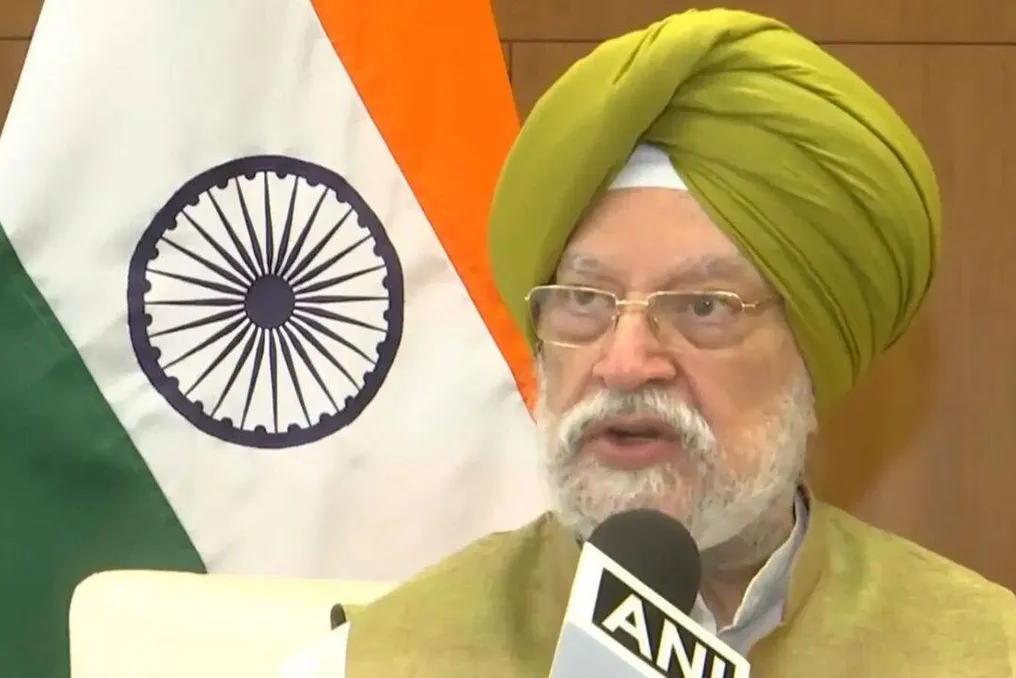
Oil Minister Hardeep Singh Puri rejected social media reports regarding India's program to use E20 ethanol-blended gasoline, calling them a 'misinterpretation.' He stated that there is no evidence that this fuel causes engine damage in compatible vehicles, and that neither car manufacturers nor service centers have reported any issues with E20.
Refuting Public Concerns
These statements came amid ongoing discussions about E20 gasoline. Some social media users and consumers raised concerns about reduced fuel efficiency, engine damage, and speculation about a possible near-term increase in the ethanol blending level above 20 percent.
Speaking to journalists, Puri emphasized that the raised questions relate to disinformation, not factual data. He noted that 200 million two-wheelers and 20 million four-wheelers using this fuel circulate on the roads, and all manufacturers and maintenance specialists confirm the absence of difficulties.
Fuel Usage History
He reminded that India has been using E15 fuel for over three years, and E20 was introduced nationwide last April, with no widespread problems observed so far. Puri clarified that E15 usage has lasted three and a half years, while E20 has been in use since last April, and more than five months have passed since the first year of use.
Government's Future Stance
The government has repeatedly defended this program, asserting that it is based on scientific research and extensive testing. It was also clarified that any increase in the ethanol content, such as to E25, will only be implemented after thorough testing and consultation with stakeholders. Puri responded to speculations about preparing for higher ethanol content fuel, stating that tests for E25 are still underway, and a decision will only be made after analyzing the results with the participation of automakers and other stakeholders.
He added that vehicle manufacturers have expressed confidence in compatibility with E20, and consumers are also positive about the product. Puri also mentioned that the introduction of E85 fuel has recently begun and will require time to develop additional infrastructure and refueling stations.
Reasons for Attention to E20
Disputes surrounding E20 intensified in recent weeks following the widespread availability of the fuel and the announcement of standards for higher blending levels, including E22, E25, E27, and E30, which sparked conjecture about the government's plans for further increasing mandatory blending. Many vehicle owners, especially those using older models manufactured before April 2023, reported decreased fuel efficiency and expressed concerns about the long-term impact on engines and components.
Nevertheless, the government and automakers insist that studies conducted by the Automotive Research Association of India (ARAI), Indian Oil Corporation, and the Society of Indian Automobile Manufacturers (SIAM) have not revealed significant issues with engine durability or performance when using E20. It is acknowledged that vehicles not compliant with the E20 standard may experience a slight decrease in fuel consumption, and some older rubber parts may require earlier replacement.
Defense of the Ethanol Program
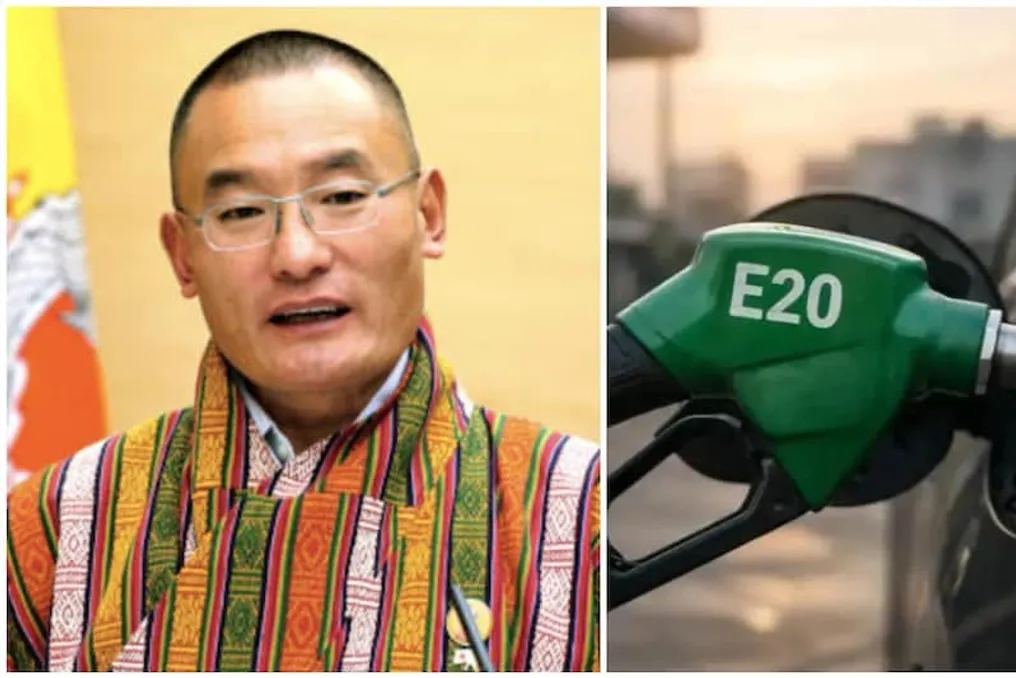
The central government has issued several clarifications refuting claims that E20 damages engines, voids warranties, or poses an environmental risk. Reports that Bhutan rejected Indian E20 gasoline were also denied, as no proposal for exporting this fuel was ever made. According to the government, the ethanol blending program has contributed to reducing crude oil imports, saving foreign exchange, lowering carbon emissions, and increasing farmers' income. India achieved its goal of blending 20 percent ethanol ahead of schedule, and officials state that any future increases will be based on scientific data and consultations with industry partners.