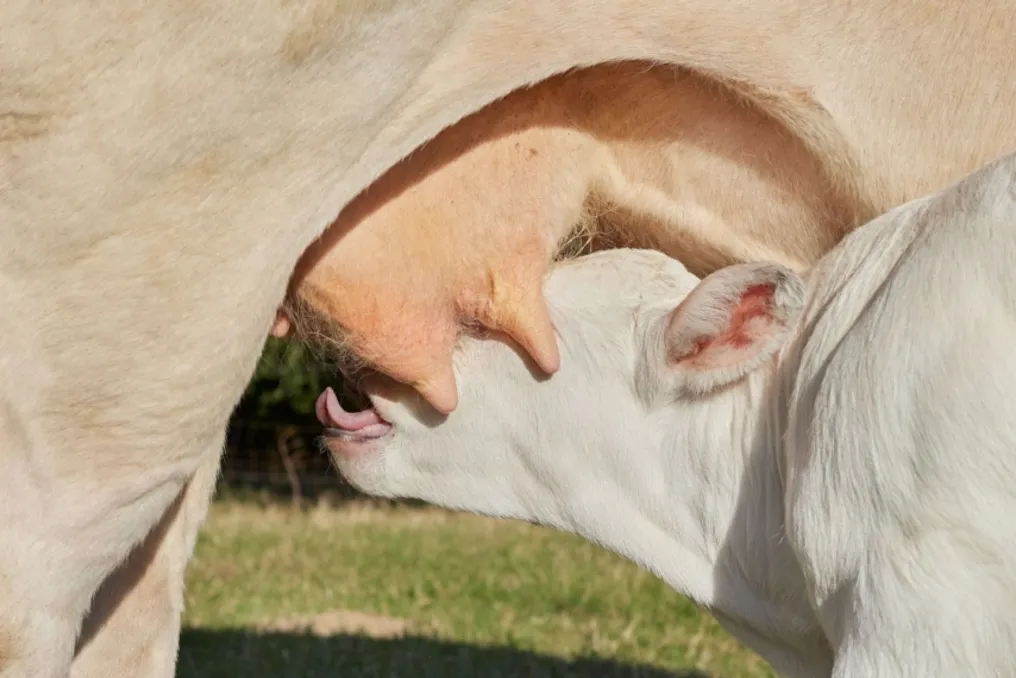
The first hours after birth are critical for determining the health, survival, and future productivity of a calf, requiring careful monitoring of both cows and newborns. The care process covers all stages: from preparing pregnant cows for quality colostrum production to ensuring timely suckling and maintaining calf health in the following weeks.
Popular
Advice from Livestock Specialists
Livestock specialist Junior McAnsey emphasizes that managing the calving process is crucial as it determines the overall profitability of the farm's production systems. Effective management is a continuous process that begins with preparing the cow before calving, observing births, promptly assisting weak calves, and monitoring health for several weeks after birth.
Preparing Cows Before Calving
Quality colostrum starts with the cow's health and proper maintenance. It is necessary to monitor the cow's condition throughout pregnancy, ensuring access to sufficient grazing, nutritional supplementation if needed, mineral support, and an appropriate veterinary care program.
Mampur Madiga notes that if the cow is cared for throughout pregnancy, it will produce high-quality colostrum and milk. Farmers must check cows near the calving date for udder problems. The udder must be functional, accessible, and free from signs of inflammation, swelling, or mastitis.
Breeders should select animals with the correct udder constitution and functional teats. Cows with 'bottle teats'—teats that are too thick and impede newborn calves from reaching the milk—should be avoided. Animals that do not exhibit sufficient maternal instincts should undergo strict measures, such as culling. To optimize cow safety, they should be moved to a clean, sterilized individual stall one to two weeks before the expected calving date.
Biological Features of Colostrum
Colostrum is the basis of the calf's immunity and survival. It serves as the sole source of protection against bacterial diseases in early life through passive immunity—the transfer of maternal antibodies from mother to calf. These antibodies act as body defenders passed on by the mother during gestation.
In addition to antibodies, colostrum supplies vital energy, vitamins, and nutrients. It is exceptionally rich in energy due to its high fat content, which is critical at birth when survival is more important than growth. Although protein is necessary for subsequent development, immediate energy is required by the calf to stand up, begin suckling, and maintain normal body temperature. Without energy, the calf will have difficulty reaching the udder to start feeding.
Colostrum is also rich in Vitamin A, which supports tissue and organ system development, helping calves resist diseases. Furthermore, it has a mild laxative effect, promoting the cleansing of the calf's digestive tract.
Environmental and Disease Management
A clean calving environment reduces the risk of exposure to harmful bacteria, viruses, and parasites in newborn calves before passive immunity is established. Calving pens must be monitored for excessive dirt, manure accumulation, and standing water.
Farmers must consider local issues with ticks, flies, and mosquitoes, as disease management must be adapted to the specific conditions of each farm. The critical temperature threshold for a newborn is 13°C. At temperatures below this mark, the calf will be unable to regulate its temperature independently, leading to the expenditure of vital reserves through shivering, reducing feed conversion efficiency. In conditions of severe cold, it is recommended to use a high-quality milk replacer with increased fat content (from 15% to 18%) to maintain thermoregulation.
Consequences of Delayed Feeding
Maximum antibody absorption occurs in the first hours after birth, and this ability gradually decreases with the development of intestinal epithelial cells until complete 'gut closure.' Delaying colostrum intake weakens the immune system and the natural sucking reflex. Improper handling of colostrum leads to serious economic and operational losses: calves may suffer from fever, poor growth, pneumonia, and severe diarrhea, which quickly leads to death.
Calves that experience delayed intake rarely thrive and often develop a permanent stunted appearance with a 'pot belly,' where the abdomen is abnormally enlarged while the chest and hindquarters remain thin and underdeveloped.
Emergency and Alternative Feeding
If a calf cannot suckle independently, bottle or tube feeding may be required. This must be performed with the strictest hygiene, using appropriate volumes and correct techniques to avoid aspiration or digestive problems. Farms should keep frozen reserves of maternal colostrum in clean portions for emergencies (e.g., orphaned or rejected calves).
If maternal colostrum is completely unavailable, a temporary nutritional substitute can be prepared: whisk two whole raw eggs into one liter of fresh milk, adding 30 ml of castor oil to stimulate intestinal motility.
Continuous Post-Birth Monitoring
Colostrum intake is only the first step. Farmers must observe the calves for days and weeks after calving to ensure they continue to suckle, grow, and remain healthy. Daily inspect the herd and look out for the following warning signs: low appetite or weakness, diarrhea or coughing, fever or poor growth, sunken abdomen, isolation of calves from the herd. Early intervention prevents a minor health issue from becoming a major production loss. Successful calf rearing starts with the cow but depends on close observation after birth.