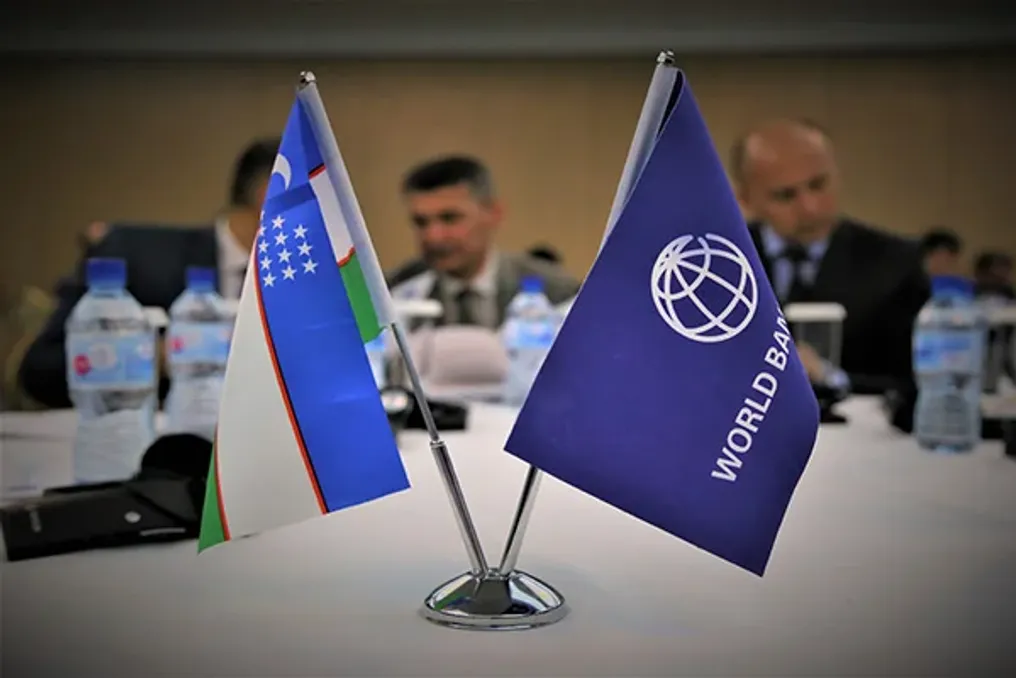
The World Bank forecasts that Uzbekistan can attract between $5.2 and $6.4 billion in private investment and create over 300,000 direct and indirect jobs in the medium term. This will be possible due to structural transformations in the logistics, tourism, and pharmaceutical sectors. These findings are presented in a new analytical report titled 'Uzbekistan Country Private Sector Diagnostic' (CPSD).
Potential of Economic Sectors
According to the report, the specified industries have significant potential to mobilize private capital, stimulate job creation, and implement rapid reforms. Experts believe that the strategic development of these areas will accelerate the country's transition to a competitive, private-sector-based economy.
The study's authors emphasize that since the start of large-scale market reforms in 2017, Uzbekistan has significantly improved its business environment and increased household incomes. Nevertheless, deeper changes are needed to achieve the goals set out in the 'Uzbekistan Development Strategy – 2030.' These include reducing barriers to competition, addressing the skills gap, and resolving infrastructure and regulatory issues that currently limit investment inflow.
Expert Views on Development
Liza Kaestner, Manager for Countries at the International Finance Corporation (IFC) for Turkey, Kazakhstan, and Uzbekistan, noted that creating conditions for growth, competition, and innovation among local companies will substantially increase private investment volumes. She pointed out that targeted reforms in fast-growing industries expand commercial opportunities for businesses and generate quality jobs.
Logistics and Tourism Prospects
In the logistics sector, road freight transport and warehousing are of the greatest commercial interest. The World Bank estimates that simplifying land allocation, accelerating the issuance of permits for infrastructure construction, and digitizing access to international transport permits could attract between $950 million and $1.05 billion in private investment, creating up to 108,000 jobs. Furthermore, modernizing this sector will help strengthen Uzbekistan's position as a regional transit and trade hub, especially along the Trans-Caspian Transport Corridor (Middle Corridor).
Experts also see huge untapped potential in the tourism industry. Improving land lease systems, investing in human capital, and implementing professional management systems for tourist sites could provide an additional $3.1 to $4.2 billion in private capital and create about 180,000 jobs. These measures also contribute to diversifying tourist flows by developing eco-tourism based on culture and nature.
Recommendations for Pharmaceuticals
In the pharmaceutical sector, the most promising niches identified were generic drug production and food supplements. To ensure further growth, the World Bank recommends establishing accredited bioequivalence laboratories, bringing domestic production into compliance with international GMP standards, ensuring documentation compliance for Active Pharmaceutical Ingredients (APIs), and optimizing drug registration processes.
The report's authors predict that implementing these pharmaceutical reforms could attract up to $188 million in additional private investment and create up to 20,000 jobs, thereby strengthening Uzbekistan's status as a competitive regional supplier.
Conclusion on Transformation
Naji Benhassin, World Bank Regional Director for Central Asia, concluded that the next stage of the country's economic transformation largely depends on the continuation of market reforms. Stimulating healthy market competition and removing structural obstacles for businesses will naturally contribute to increased investment, productivity growth, and the formation of the highly skilled workforce necessary for a modern economy.