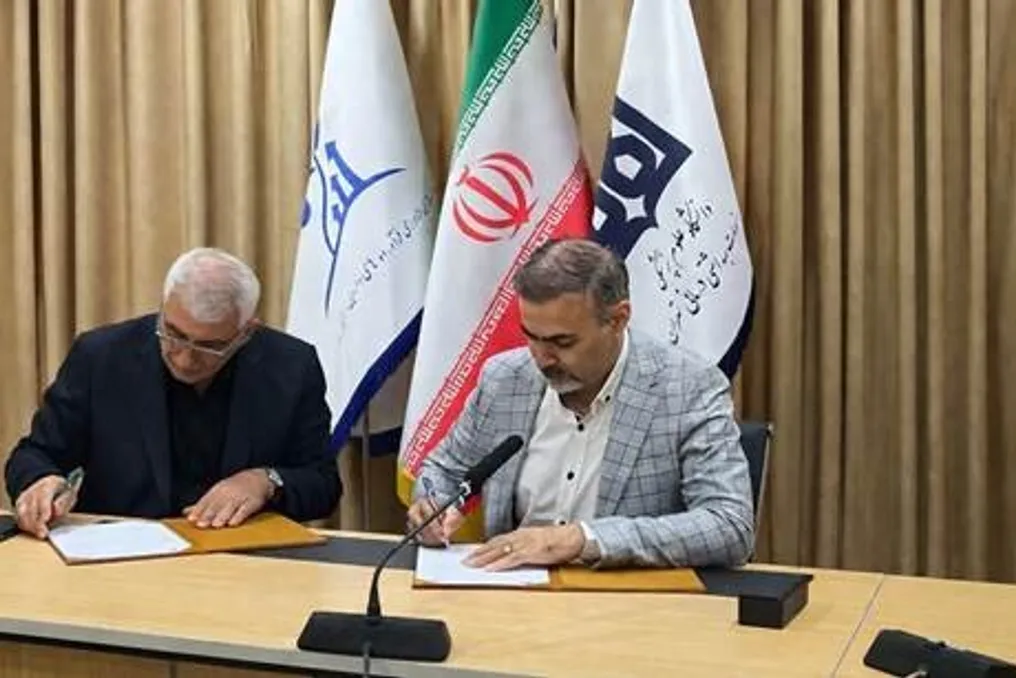
The Department of Natural Resources and Water Management of Khuzestan province signed a Memorandum of Understanding (MOU) with the Russian company MA Vostok. The agreement aims to combat desertification and mitigate the effects of sand and dust storms (SDSs) in the province's industrial areas, particularly at the Shadegan oil field.
Content of Cooperation
According to an IRIB report, this agreement is also aimed at expanding interaction between the region's industrial enterprises and promoting their fulfillment of social responsibility. The proposed projects will focus mainly on wastewater management and improving the environmental situation around oil extraction sites.
MA Vostok has committed to sharing experience and providing necessary support to accelerate the implementation of plans to reduce desertification, increase vegetation cover, and decrease air pollutants.
Environmental Problems in Iran
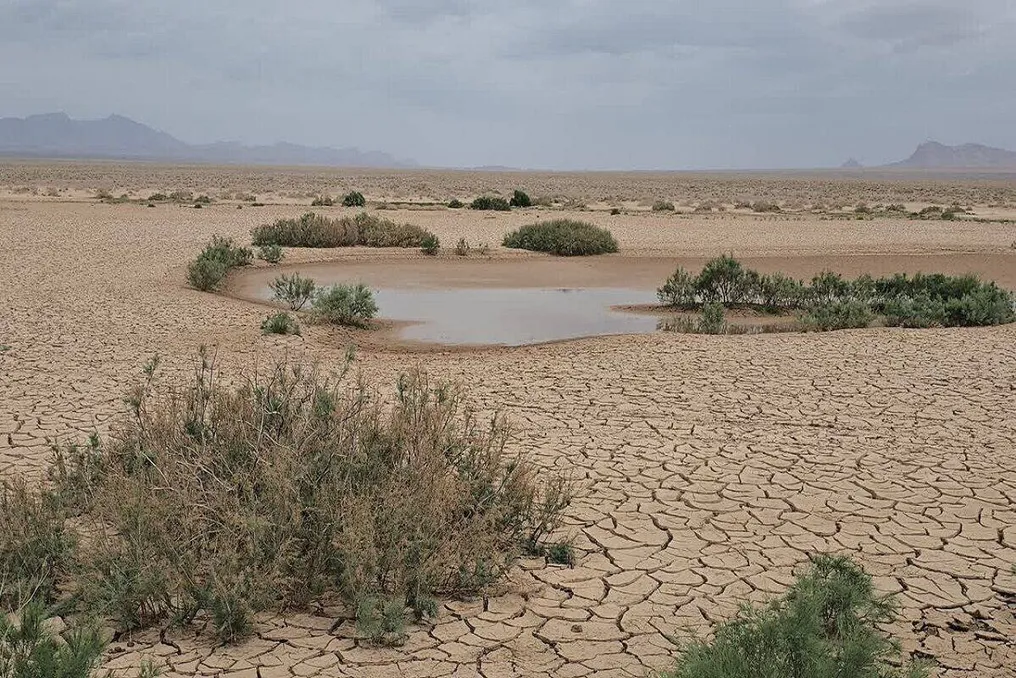
According to Ali Chamnannejadi, an official representative of the DOE, deserts cover about 1.27 million hectares, which accounts for 20 percent of the province's territory. He noted that desertification has accelerated due to improper management, oil-related activities, and road construction.
Sandstorms pose a serious environmental problem, negatively affecting food security, public health, and the process of sustainable development at both national and regional levels. Since Iran is located in a dry and semi-arid zone, the country feels the negative consequences of climate change, including rising temperatures, reduced precipitation, increased droughts, and frequent SDSs. These factors threaten the ecosystem, biodiversity, and jeopardize food security through increased soil erosion, desert expansion, and decreased agricultural productivity.
National Plan and Diplomatic Contacts
Due to these problems, the national specialized working group on SDSs, together with other state bodies, approved a comprehensive plan to combat dust storms in August 2025. This document serves as a national guideline for increasing the country's resilience in the face of one of the most acute environmental threats.
In 2025, the head of the DOE, Shina Ansari, and the Deputy Chairman of the Federation Council of Russia, Konstantin Kosachev, discussed opportunities to strengthen joint environmental protection efforts. This meeting took place on the sidelines of the XI International Environmental Congress in Nevsky.
Kosachev emphasized Russia's readiness to promote environmental cooperation with Iran, noting that both chambers of the Russian parliament (State Duma and Federation Council) are interested in expanding ties with Iran. He also highlighted that Russian-Iranian parliamentary friendship within the Federation Council is one of the most active groups, reflecting the significance of bilateral relations.
For his part, Ansari expressed optimism about the implementation of environmental agreements reached under the comprehensive strategic partnership treaty with Russia. She called on Russia to intensify cooperation in solving Caspian Sea issues, calling it a common environmental problem. Furthermore, she stressed the importance of experience exchange between the legislative bodies of Iran and Russia, as parliaments play a key role in environmental preservation.
Iranian delegates participating in the Congress used this opportunity to discuss major environmental issues of the Caspian Sea, such as water level decline, pollution, fisheries, and fish stocks. The Iranian delegation's program also included participation in the meeting of Caspian Sea environment ministers and a BRICS panel discussion.