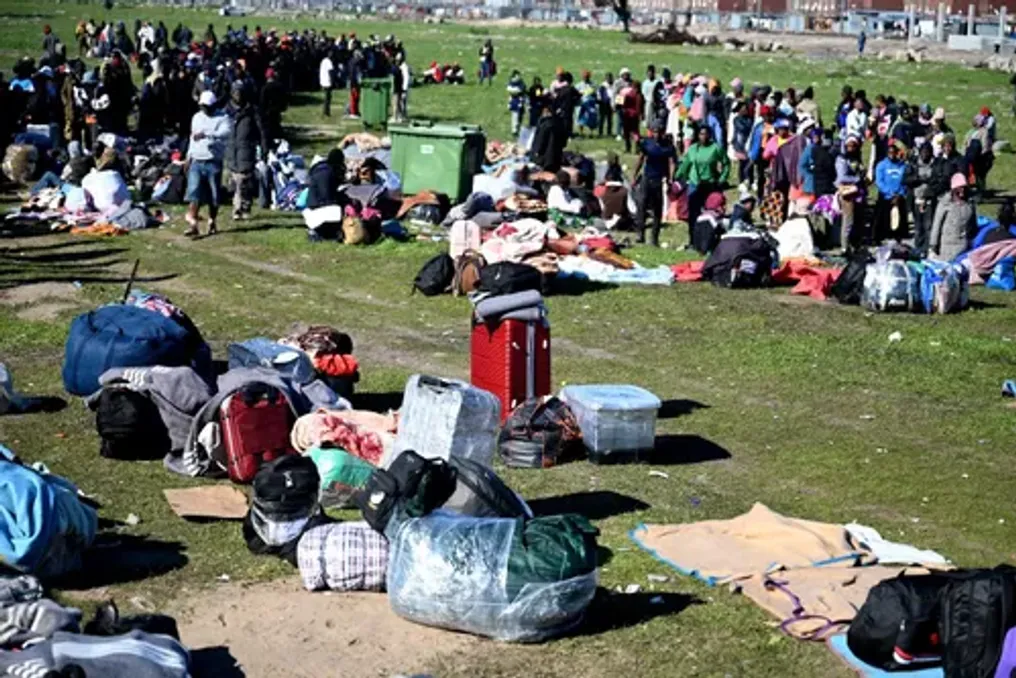
Foreign nationals were housed in camps near the Epping repatriation center in Cape Town because the closure of the facility left them without support.
Long-Term Migration Issues
South Africa has long ignored its border security. For over thirty years, the country has faced the problem of illegal immigration, forcing civil organizations to take responsibility for repatriating undocumented foreigners. This complex situation has led to criticism of South Africa at the continental level.
Societal and Governmental Reaction
By law, only government officials have the authority to enforce immigration legislation. Nevertheless, many citizens take to the streets in protest, expressing dissatisfaction with what they perceive as a crisis caused by the presence of illegal immigrants. Although vandalism is condemned, critics argue that the South African government should be held accountable for its insufficient approach over many years.
It is estimated that more than three million undocumented immigrants reside in the country due to porous borders. The government may have had the resources to deport these individuals for years, but its efforts have been inadequate given the scale of the problem, which is exacerbated by allegations of corruption in the police and the Department of Home Affairs. Only recently is it being observed that the crisis is beginning to be addressed with due urgency.
International Response and Appeals
Various nations have been forced to evacuate their citizens from South Africa under pressure from anti-immigration groups. While some countries struggle with their citizens stranded in transit camps, Ghana organized charter flights for the repatriation of its nationals. Furthermore, the West African nation advised its youth political groups to refrain from any retaliatory actions.
Recognizing the issue of illegal immigration, Ghana's Deputy Minister of Foreign Affairs, James Gyakye Kwesi, recently called on African countries to support South Africa in resolving this crisis. There are approximately 200 South African businesses and registered companies operating in Ghana. Conflict over this issue is likely to cause both countries more economic damage than benefit.
Economic Ties and the Continent's Future
Despite over 100 South African companies investing significant funds in Nigeria, the West African country threatened countermeasures against South Africans due to the consequences of immigration. Business proponents should not exchange their interests for human rights, but revenge is not the solution—much is at stake. It must be recognized that continued hostility will result in no winners.
In early 2026, South African investors invested about $1 billion in Nigeria. African governments must view the continental immigration crisis as a starting point, focusing collective efforts on finding solutions and determining necessary steps.