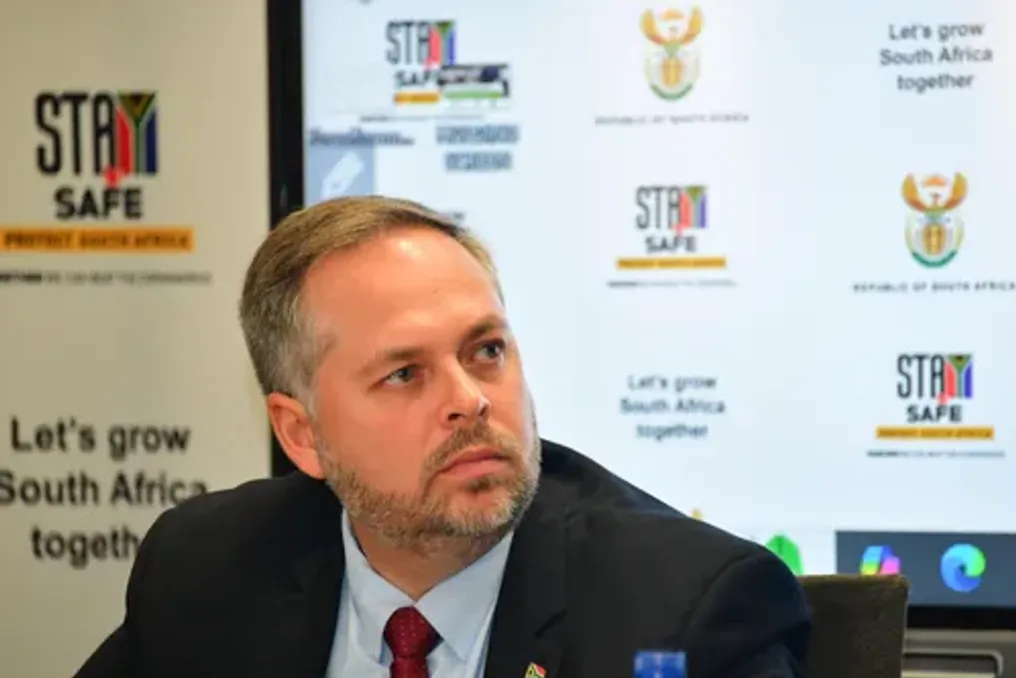
The parliamentary committee on internal affairs conducted an urgent oversight visit to Musina and the Beitbridge crossing after officials reported that approximately 37 thousand migrants had been processed through the temporary repatriation center.
The parliamentary committee on internal affairs conducted an urgent oversight visit to Musina and the Beitbridge crossing after officials reported that approximately 37 thousand migrants had been processed through the temporary repatriation center.
The committee is conducting a two-day visit to the temporary repatriation centers in Musina and at the Beitbridge crossing, following the closure of the repatriation center in Durban. The visit takes place amid ongoing calls from anti-immigration groups to deport illegal foreigners from South Africa.
Some migrants have either been deported or voluntarily repatriated amidst continued tension and protests. The situation has taken on an urgent humanitarian and administrative character for Malawian citizens and other undocumented foreigners after the deadline set by several anti-immigration groups on June 30th expired.
The Committee Chairperson, Musa Chabane, stated during his visit to the Musina Repatriation Center on Tuesday that the visit aims to assess the progress of the work and ensure proper control. He noted the efforts of the interdepartmental committee led by Minister Mmamoloko Kubayi, as well as the provincial government of Limpopo and the local municipality in establishing this facility for the orderly return of people to their home countries.
Chabane also expressed gratitude to churches and non-governmental organizations for the humanitarian assistance provided, emphasizing their role in ensuring people's safety and creating a favorable environment.
The committee plans to inspect the facility and hold a meeting with representatives from the Border Management Authority (BMA), the Department of Internal Affairs, humanitarian organizations, and the migrants themselves to assess progress and identify issues. Key issues raised during the briefing included the high number of Malawian citizens who had already been repatriated.
According to Chabane, about 37 thousand people had been processed by Monday, and he was assured that there were no delays at that time. On that day, only those who arrived at night and were undergoing the return procedure to their countries of origin were present at the center.
Officials from the BMA and the Department of Internal Affairs assured the committee that all processed individuals have been accounted for. However, Chabane acknowledged that funding remains one of the most serious problems for this operation. He explained that this activity was not budgeted for, and departments had to reallocate funds from existing budgets, which is an issue the committee will review after receiving a comprehensive report.
The committee's oversight visit is expected to conclude on Wednesday.
Interior Minister Dr. Leon Schreiber announced that the government has repatriated over 30,000 foreign nationals who were illegally in the country, solely from Etekweni. He described this operation as unprecedented, noting that tens of thousands of people have already been returned through a centralized state process.
During a visit to the Beitbridge border post in Limpopo on Wednesday, Schreiber specified that the government has processed 525 buses under this operation to date. He emphasized that the scale of the event reflects the coordinated efforts of the Interdepartmental Committee and various government departments.
To optimize the repatriation process, the government abandoned decentralized processing centers across the country and instead established a single secure facility in Musina. The process involves several checks before an individual can be deported, including verifying data to ensure individuals are not wanted for crimes in South Africa, recording biometrics of illegally present persons, declaring them undesirable according to the Immigration Act, and checking all cross-border transport permits.
Schreiber noted that approximately 4,000 people were still housed at the Musina exhibition ground, where remaining processing was completed before crossing the border. Now, all new arrivals will be directed to a specially constructed temporary repatriation facility built by the Department of Public Works and Infrastructure. After inspecting both sites on Wednesday morning, Schreiber stated that the new facility provides more dignified conditions for those awaiting processing.
He stressed that the new center is equipped with all necessary amenities, such as sanitary facilities, water, food, and processing work areas, and is guarded, which should facilitate a smoother process. The government affirmed its commitment to conducting the operation lawfully while protecting the dignity of every person undergoing the procedure.
Schreiber added that he had previously stated at press conferences that no one loses their basic human dignity due to allegations of violating any law, and that this is absolutely respected. At the time of his visit on Wednesday morning, there were about 500 people in the new temporary center. Plans are underway to increase the capacity of the facility to 4,000 people, with the Department of Public Works and Infrastructure working on further expansion. The government has already processed 99% of people in the Interior Ministry offices and is now focused on processing the remainder at the exhibition ground before their transportation across the border. All new buses carrying repatriated individuals will be directed to the new temporary center, not the exhibition ground, and signage will be installed for drivers. Furthermore, the government met with the International Organization for Migration, the UN High Commissioner for Human Rights, and several non-governmental organizations to ensure the proper conduct of the repatriation process.