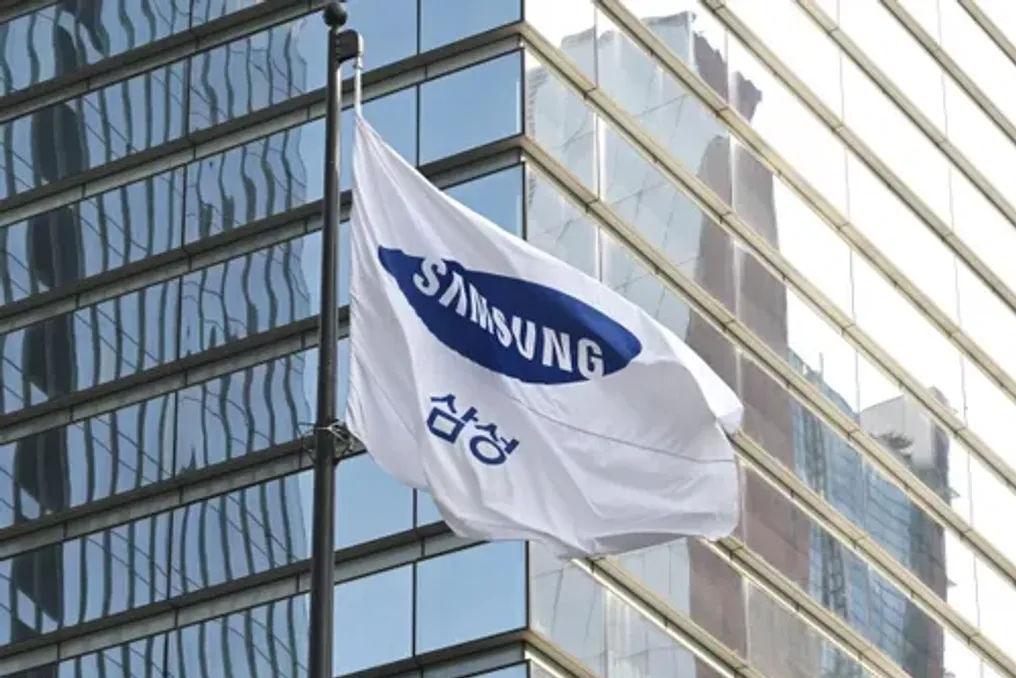
Samsung Electronics, the world's largest memory chip manufacturer, has forecasted a significant increase in operating profit for the second quarter. The company stated that profits for the April-June period will amount to 89.4 trillion won ($58.4 billion USD), representing an 1810 percent increase compared to the same period last year.
Reasons for Growth and Forecasts
This impressive growth is attributed to sustained demand for memory chips, which is being supported by the development of artificial intelligence. Global demand for advanced memory chips used in data centers for AI has already helped South Korean semiconductor giants achieve record profits this year.
Samsung's forecast is estimated to be 'the largest quarterly operating profit in history,' surpassing the figures of AI giant Nvidia. Professor Kim Dae-jong of Sejong University's Business Administration noted that if the company can maintain this level of efficiency, Samsung could potentially become the world's leading manufacturing company.
Market Reactions and Risks
Despite the optimistic forecasts, Samsung shares fell by seven percent during morning trading, and the KOSPI Seoul index also declined. Kim also emphasized that the duration of memory demand remains a key issue, noting that while demand is secured until next year, further development remains uncertain.
According to data provided by the Yonhap News Agency, the company's forecast exceeded market expectations by 6.2 percent. Samsung also reported that revenue is likely to increase by 129 percent, reaching 171 trillion won. The final earnings report is expected at the end of the month.
Samsung, along with domestic competitor SK hynix, is participating in a public-private investment of 800 trillion won to build a new chip manufacturing center in the southwest of the country. However, Kim expressed doubt about Samsung's ability to sustain the current income level during the construction of this factory cluster.
Some analysts view potential delays in AI infrastructure investments as the biggest risk to the current memory boom. Nevertheless, Counterpoint Research analyst MS Hwan believes there is no evidence of a narrowing gap between supplier production capacity and customer demand. He added that while some data center projects involving less competitive players may be postponed, interpreting this as a general slowdown in AI infrastructure investment would be an exaggeration.
As chip manufacturers prioritize the profitable AI sector, they are reducing the output of less prominent chips used in everyday consumer electronics, such as phones and laptops, leading to price increases for devices.
Financial and Social Implications
The semiconductor boom in South Korea has also sparked discussions on how the country should utilize the increased tax revenue generated by the success of Samsung Electronics and SK hynix. Kang Hoon-sik, presidential aide, stated on Sunday that this tax income will help finance large-scale projects focused on the AI and semiconductor industries.
He also noted that the funds could be used to support youth in housing, startup creation, and job searching. In this context, working at Samsung and SK hynix now guarantees a 'rise in marriage market value,' Yonhap reported, citing the growth of their 'attractiveness indices' compiled by the matchmaking agency Sunoo, which are now comparable to those of doctors and lawyers.