
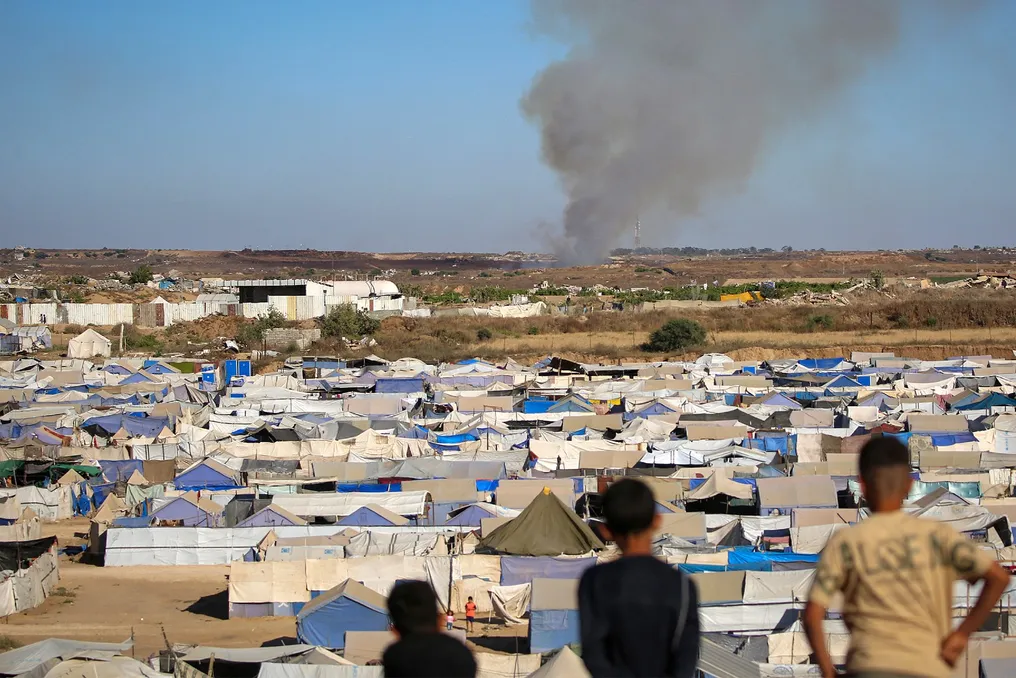
A report prepared by the United Nations (UN) indicates the extremely difficult situation of the majority of the population of Gaza.
A recently published Humanitarian Report by the United Nations Office for the Coordination of Humanitarian Affairs stated that chickenpox cases were recorded in more than 130 medical facilities.
More than half of all registered cases were noted in Khan Younis. This outbreak occurred against a backdrop of conditions already characterized by severe overcrowding, deteriorating sanitary conditions, and pervasive environmental health threats.
Currently, over 1,600 active temporary shelter sites are operating in Gaza, housing approximately 1.7 million people. Furthermore, the coverage of the Site Management Cluster (SMC) remains limited, accounting for only about 34 percent.
The report indicates that existing SMC alert systems continue to register insufficient access to drinking water, limited availability of soap, inadequate solid waste management, and overcrowded living conditions. These dangers are exacerbated by the widespread presence of rodent and ectoparasite infestations, as reported in 83 percent of assessed shelters.
The deterioration of sanitary conditions, including sewage on the streets, accumulation of solid waste, stagnant water, and general unsanitary conditions, has become one of the factors contributing to the escalation of the situation. Medical teams have observed that many families lacked appropriate containers for storing water and were forced to use improvised solutions, such as storing water in used flour sacks lined with plastic garbage bags, which increases the risk of water contamination and improper storage.
A report prepared by the United Nations (UN) indicates the extremely difficult situation of the majority of the population of Gaza.