South African labour law places a clear obligation on employers to protect employees from harassment in the workplace. This article explains the legal channels available to fight bullying.
South African labour law places a clear obligation on employers to protect employees from harassment in the workplace. This article explains the legal channels available to fight bullying.
In 2022, South Africa implemented the Code of Good Practice on Preventing and Addressing Harassment in the Workplace. This Code, issued under the Employment Equity Act (EEA), recognizes bullying as a form of harassment that can qualify as unfair discrimination.
The Code defines harassment as unwelcome conduct that violates a person's dignity or creates a hostile, intimidating, or offensive working environment. Bullying is not limited to physical acts and can take many forms.
Bullying can manifest openly or covertly. The Code identifies several types of workplace harassment.
This includes constant shouting, verbal abuse, public humiliation, and aggressive threats.
Examples include deliberately excluding someone from work events, spreading malicious rumours, professional isolation, or withholding information necessary for an employee to perform their duties.
Harassment can also occur through digital platforms such as email, WhatsApp, Microsoft Teams, Zoom, and other online communication tools.
An employer cannot simply dismiss bullying as a 'personality conflict'. Section 60 of the Employment Equity Act requires employers to take reasonable steps to prevent and address workplace harassment.
If an employee reports bullying and the employer fails to take appropriate action—such as failing to conduct a proper investigation or initiate disciplinary proceedings when necessary—the employer may bear indirect liability. This means the employer may be ordered to compensate the employee for the inability to provide a safe working environment.
If you are experiencing workplace bullying, you should avoid immediate termination. Instead, it is recommended to take the following steps.
It is necessary to keep a detailed record of every incident. You should record the date, time, location, content of what was said or done, as well as the names of any witnesses. If possible, save copies of relevant emails, messages, or other supporting materials.
You should follow your employer's internal complaint procedures and submit a formal written grievance. This creates a documentary trail confirming that you notified the employer of the issue and gave them an opportunity to resolve it.
Filing a lawsuit for unfair discrimination or workplace harassment can be emotionally and stressful. Seeking legal counsel at an early stage will help you understand your rights and available options.
If the employer is unable to resolve the matter through internal mechanisms, the dispute can be referred to the Commission for Conciliation, Mediation and Arbitration (CCMA), depending on the nature of the claim. Every employee has the right to work in an environment that respects their dignity.
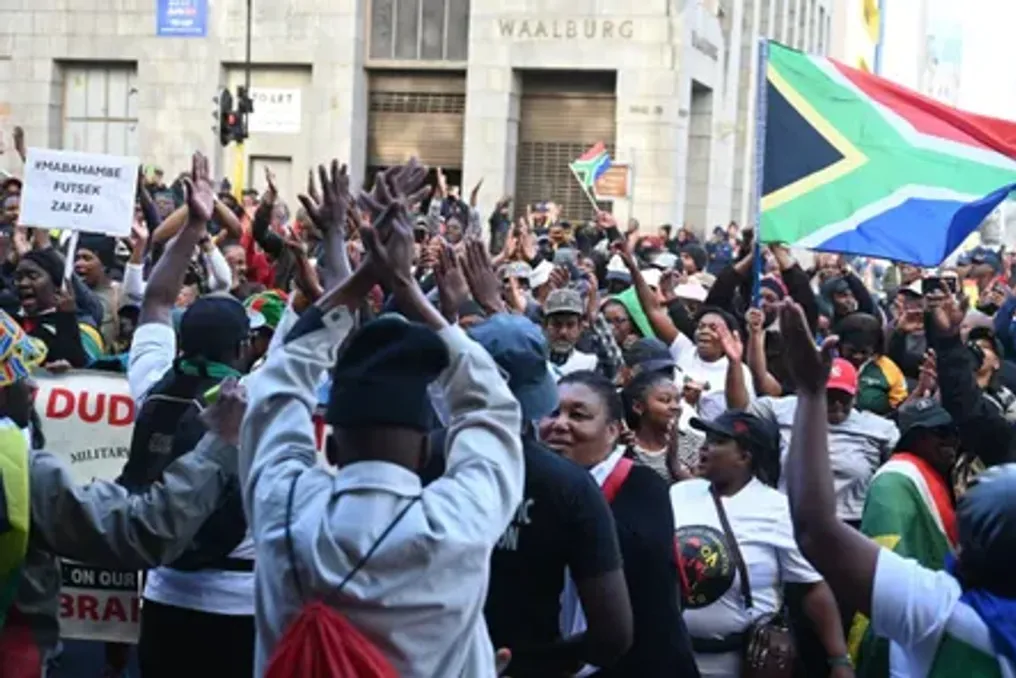
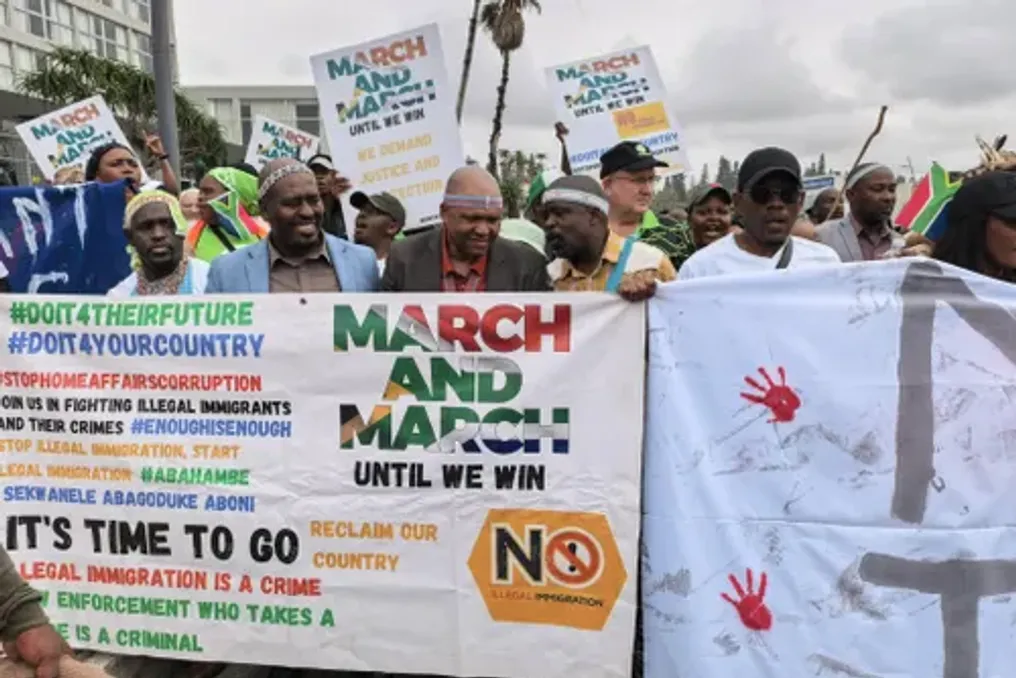
Employers in South Africa have come under intense scrutiny due to accusations of unfairly dismissing migrant workers. Supporters of LACO and other groups opposing undocumented migrants are holding protests, claiming that foreigners without documentation are taking jobs that should be available to South African citizens, especially in non-skilled sectors.
Labor organizations stated that some employers are using the current xenophobic atmosphere to dismiss migrants, which calls into question whether businesses are complying with labor laws when terminating employment.
The Simunye Workers Forum (SWF) reported documenting several instances in the Gauteng region over recent weeks where migrants were allegedly fired, laid off, or barred from returning to work following protests. The organization noted: 'It has become clear to us in the last few weeks that employers are exploiting the current mobilization to carry out unfair dismissals and illegal pseudo-layoffs.'
Among the examples cited is the case of about 90 workers from Malawi employed at Harvest Fresh Farms in Meyerton. According to SWF, these workers, many of whom had been employed for five to fifteen years, were notified on June 18th that an Internal Affairs Department check revealed they lacked legal permission to work in South Africa. The organization claims that they were initially offered a sum of 3000 rand, including final salary and severance pay, which was later increased to 5000 rand, and the workers signed mutual termination agreements under pressure.
Harvest Fresh Farms HR Manager, Mashin Khlongwane, confirmed to the publication that about 90 foreign employees were affected but denied the fact of their dismissal. He explained that the company began checking employee work permits in November 2025, months before the recent protests, and the independent audit found that several permits and supporting documents were fraudulent. Khlongwane added: 'After this, the company engaged with the affected employees, explained the audit results, and consulted with them regarding the consequences. Following this process, both parties reached a mutual agreement to terminate the employment relationship through Mutual Termination Agreements.'
He rejected suggestions that anti-migrant protests influenced the process, stating that the company adheres to legal labor practices and treats all employees with dignity and respect.
However, migrant rights defenders argue that immigration status does not deprive workers of protection under South African labor law. James Chapman, Head of Advocacy at the Scalabrini Centre in Cape Town, stated that employers cannot use protests against undocumented migrants or public pressure as justification to circumvent labor legislation.
Chapman emphasized: 'While employers are prohibited from knowingly hiring foreign nationals without documentation, this does not exempt them from labor law obligations.'
He continued: 'If an employer has hired someone for years, knowing or having reason to know their immigration status, they cannot simply rely on that status to avoid adhering to fair dismissal procedures when public pressure is mounting.'
According to him, undocumented workers remain protected against unfair dismissal and can bring disputes to the Commission for Conciliation, Mediation and Arbitration.
SWF asserts that the situation at Harvest Fresh Farms is not isolated. The organization states that at a large plastics manufacturer in Gauteng, about 23 migrants were prevented from returning to work after the employer cited security issues related to anti-migrant protests. In another case involving a plastics manufacturer in Alloa, SWF claims that 15 young Malawian workers were left destitute after the business allegedly closed without paying them wages after moving from Durban.
At a farm in Gauteng, the organization reports that 17 migrants from Malawi, Lesotho, Mozambique, and Zimbabwe were instructed not to report to work until the 'March issue passes,' leaving them without income. Another case concerns Guard Master/Wire Ventures, where SWF alleges that eight migrants were dismissed due to a lack of valid work permits, despite having worked for the company since 2019. The organization insists that only undocumented workers were selected, and that the dismissals reflect the employers' utilization of the current anti-migrant climate.
SWF also claims that workers previously complained that a manager threatened to fire three employees every week, that another manager carried a firearm on the factory floor, and that employees were not receiving proper rates of pay according to the Metallurgical and Engineering Bargaining Council. In response, Wire Ventures denied that the dismissals were based on nationality, stating that the affected employees repeatedly failed to provide valid work permits despite multiple requests. The company reported initiating a formal consultation process in accordance with Section 189 of the Labour Relations Act, explored alternatives to dismissal, and paid the affected employees all due amounts, including notice, accrued leave, and severance pay where applicable. It also stated that re-employment was offered to the workers if they obtained valid work permits within four months.
The company refuted allegations of threats of dismissal by managers, stating it has no records of such incidents. It also denied claims of weapon use to intimidate employees, confirming only that the manager legally carried licensed weapons for personal protection. After expressing concern from workers, the weapons were ordered to be stored in a safe during working hours and no longer carried on the factory floor. Regarding wage disputes, Wire Ventures stated it joined the Metallurgical and Engineering Bargaining Council in June and works with the council to ensure correct classification and payment of employees. The company denied intentional underpayment and affirmed its commitment to complying with labor legislation. Wire Ventures also contested SWF's right to file a complaint, stating instead that it interacts with the Temporary Employee Consultation Office.
The South African Human Rights Commission (SAHRC) has cautioned South African citizens against assuming they can skip work to participate in the planned nationwide marches on June 30th. The Commission emphasized that this day remains a normal working day, and constitutional rights must be exercised responsibly.
Despite ongoing protests related to illegal immigration and planned demonstrations on Tuesday, the Commission stressed that the right to protest must be balanced with the rights of other people. The Commission stated that the government declared June 30, 2026, a normal working day, meaning many workers should report for duty according to their employment obligations.
SAHRC noted that transport operators and other essential service providers must also continue their operations to ensure workers can travel to and from their workplaces.
The Commission affirmed that peaceful protest is the foundation of democracy, but warned demonstrators not to infringe upon the rights of fellow citizens. While acknowledging that the right to protest is a fundamental right guaranteed by the Constitution of South Africa, it insists that demonstrations must remain lawful and peaceful.
An urgent appeal was made to all participants to ensure the peaceful nature of the protests and to conduct any demonstrations within the law, without provoking violence, intimidation, hate speech, or property damage.
It is important to note that the rights body reminded protesters that constitutional rights are not absolute and must be exercised with respect for the rights of others. The Commission stressed that the right to protest does not negate other rights and must be observed while considering the rights of those who will be commuting to work that day.
Furthermore, SAHRC called on law enforcement agencies to act with restraint while maintaining law and order during the marches. Beyond the demonstrations themselves, the Commission urged the government and other stakeholders to address the root causes of public discontent, including unemployment, crime, socio-economic issues, and border management concerns.
As tensions rise ahead of the planned marches, the Commission's message is clear: South African citizens have the right to protest, but this right does not automatically exempt them from work duties or the ability to interfere with the rights of others.