Every four years, the world focuses on the brightest football stars, discussing team lineups, analyzing tactics, and predicting decisive goals. People celebrate players who win trophies and recall moments that shape football history.
Every four years, the world focuses on the brightest football stars, discussing team lineups, analyzing tactics, and predicting decisive goals. People celebrate players who win trophies and recall moments that shape football history.
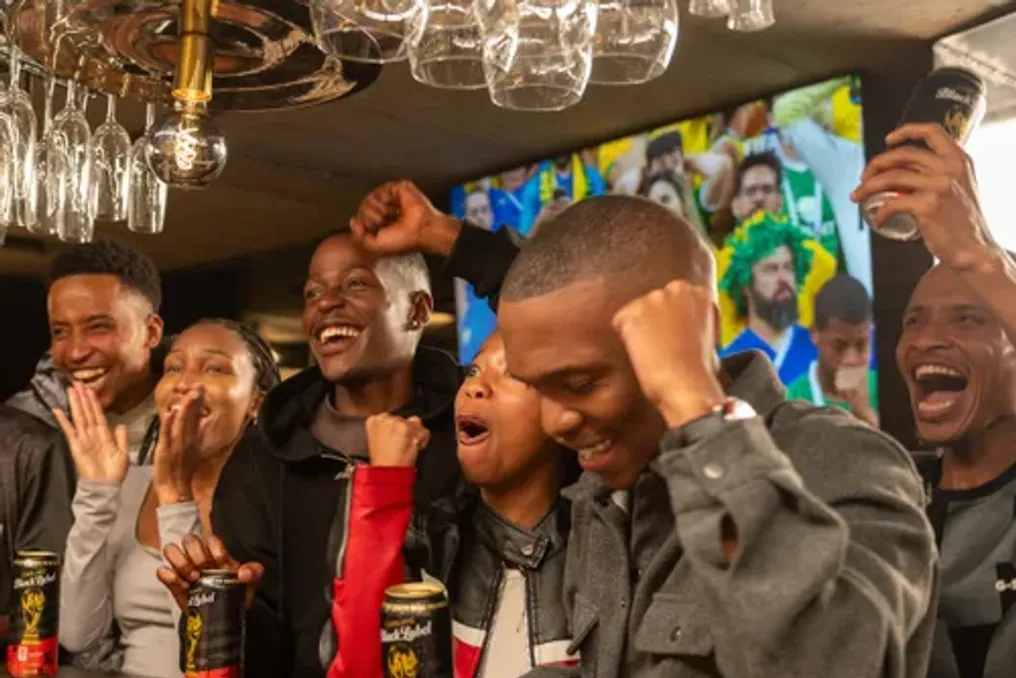
However, we might be overlooking the people who make these moments possible. The most important participants of this FIFA World Cup™ will not be on the field. They will start their day in stores before dawn, stocking refrigerators, arranging merchandise, and setting up viewing areas, as well as meeting neighbors gathered to enjoy the tournament.
These people will not be dressed in national colors, but they will wear aprons, badges, and work boots. For millions of South Africans, the World Cup is experienced not inside the stadium, but in local shops, restaurants, and community gathering spots, where football becomes something more than ninety minutes of sport.
It is in these places that friendships are strengthened, rivalries are discussed, celebrations erupt, and memories are made. Without these elements, football would continue to exist, but its experience would be fundamentally different. Too often, we view major sporting events solely as entertainment, when in fact every World Cup activates an economic ecosystem that extends far beyond the stadiums.
Behind every occupied viewing spot is a retailer prepared for the influx of visitors. Behind every celebration is a business owner creating an experience for their community. Behind every shared moment is a person who invested long before the first whistle. These entrepreneurs do not appear in television broadcasts, do not receive medals, and their names do not trend on social media. Nevertheless, they play an indispensable role in transforming a global sporting event into a local economic opportunity.
Perhaps it is time to recognize them as part of the football starting lineup. This conviction has defined South African Breweries' approach to football for decades. While fans naturally focus on the action on the pitch, SAB has long invested in the people and businesses that give meaning to the most significant moments in football.
Since 2021, the company has invested over 544 million Rand in developing retail, strengthening local businesses through infrastructure improvements, capacity building, and responsible trade programs. During the 2026 FIFA World Cup™, this commitment continues: over 20,000 retailers receive support to prepare for one of the most intense periods in the sports calendar. These businesses are not just points of sale; they are hubs of connection, celebration, and economic participation in their communities, as retail prosperity benefits communities.
The impact goes beyond commerce. As fans gather across the country, SAB also partners with retailers to promote responsible trading and consumption through platforms like SAB Sharp, ensuring that unforgettable football moments are also safe ones. Perhaps the legacy of the World Cup should not only be measured by goals scored or trophies won. It should also be measured by the number of strengthened businesses, supported livelihoods, and connected communities. After all, the greatest victories in football belong not only to the players on the field, but to the people who make every match possible.
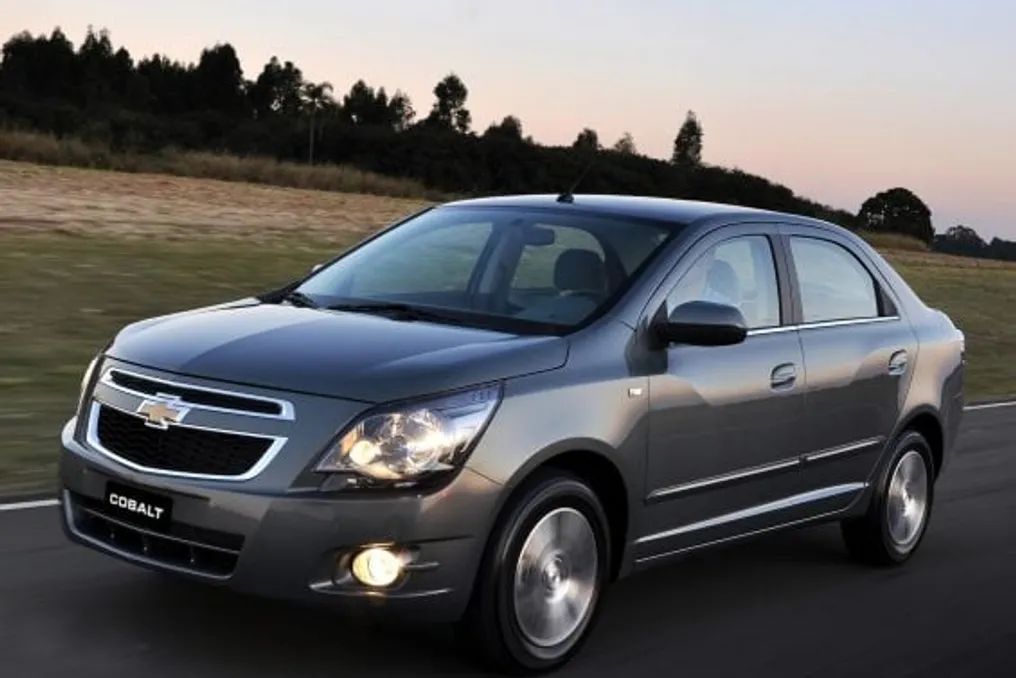
World Cup Group K includes Portugal, the Democratic Republic of Congo, Uzbekistan, and Colombia. It was reported that the Chevrolet Cobalt is the best-selling vehicle in one of these countries. In Portugal, the market is dominated by compact cars, with the Renault Clio being the best-seller in 2025, surpassing the 2024 Dacia Sandero. In the Democratic Republic of Congo, although there are no recent sales data, Toyota is the most popular brand, with pickups like the Hilux and Land Cruiser variations being common. In Uzbekistan, the Chevrolet Kadett, previously known as the Daewoo Nexia, was produced for decades, and its successor, the Cobalt, was designed in Brazil. Meanwhile, in Colombia, Renault has a long history, and the currently best-selling model is the Duster, manufactured in Envigado and exported to other Latin American countries.