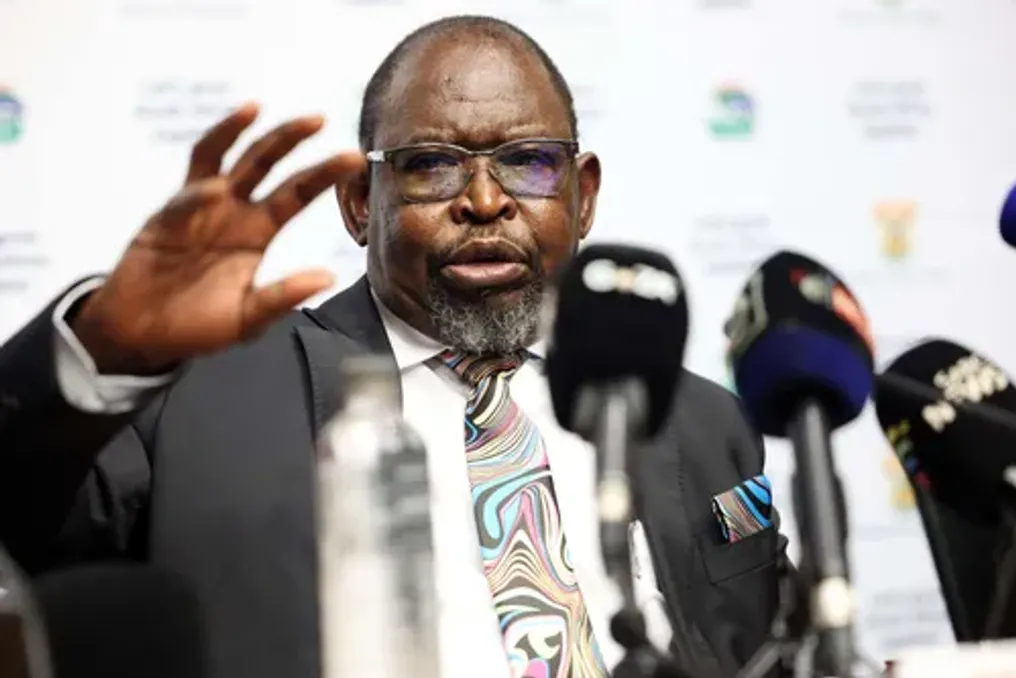
Finance Minister Enoch Godongwana announced that the South African government does not plan to introduce a wealth tax for the country's wealthiest citizens, as various mechanisms for taxing fortunes already exist.
Finance Minister Enoch Godongwana announced that the South African government does not plan to introduce a wealth tax for the country's wealthiest citizens, as various mechanisms for taxing fortunes already exist.
These statements were made by Godongwana in a written response to parliament after Member of Parliament Carl Nielhuis from the Economic Freedom Fighters (EFF) raised questions about measures to combat inequality. Among these questions were the wealth tax on the super-rich and the nationalization of key strategic sectors.
Nielhuis also inquired about steps the government was taking to mitigate the effects of rising fuel prices and the general increase in the cost of living for South Africa's working classes. In response, Godongwana noted that the government provided a temporary exemption from the fuel levy on petrol and diesel in 2026, which resulted in a loss of revenue of approximately 17.2 billion rand.
Furthermore, the minister emphasized that discussions regarding the nationalization of vital economic sectors are not taking place. Instead, the government supports a mixed economy where both the state and private sectors play an important role in stimulating growth, investment, and job creation.
Regarding wealth taxes, Godongwana clarified that South Africa has several instruments for taxing fortunes, including inheritance tax, gift tax, securities transfer tax, transfer tax, and capital gains tax.
He reported that the total annual revenue from four national wealth taxes, excluding local property taxes, amounted to 21.3 billion rand in 2024/25. This figure, he stated, represented 1.15% of total tax revenue, which he compared to the OECD average for similar taxes, which is 0.5%.
Godongwana added that international data shows that many countries have abandoned or significantly reduced their wealth taxes in recent years because they proved ineffective—either in favor of inheritance/property tax or completely. He mentioned that in 1990, wealth tax existed in twelve countries, whereas today only four countries have such taxes (Norway, Switzerland, Spain, and Colombia).
Reasons for abolishing wealth taxes include high collection costs, administrative complexity, the risk of capital flight, limited revenue from these taxes, and the negative impact of wealth taxation on economic growth.
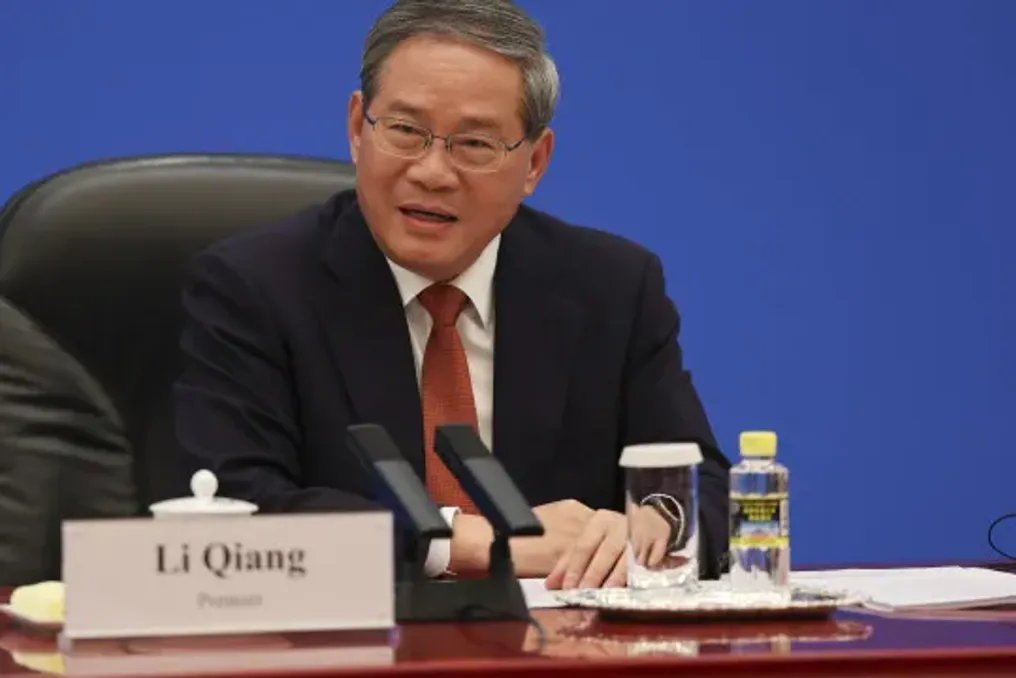
During the 17th Annual Meeting of New Champions, or 'Summer Davos', held in Dalian, northeastern China, the Chinese head of government made important statements. He refuted criticisms that the competitive advantage of Chinese products primarily stems from state support. Prime Minister Li attributed Chinese competitiveness to the 'scale of the domestic market' and the 'strength of the manufacturing industry'. He argued that advancements in sectors such as new energies and smart vehicles are the result of progress in materials and batteries, and not solely public support policies. The statements occurred amid trade tensions between Beijing, the United States, and the European Union, including tariff increases and technological control. Li presented positive data, mentioning that Chinese imports grew by 20.5% in the first five months of the year. Furthermore, he cited a historic trade surplus of nearly $1.2 billion in the previous year.