Small changes can transform familiar green florets into a side dish that is crispy on the edges, rich in flavor, and good enough to compete with other dishes on the plate.
Small changes can transform familiar green florets into a side dish that is crispy on the edges, rich in flavor, and good enough to compete with other dishes on the plate.
Broccoli has established itself as one of the most hardworking vegetables in the kitchen: it is affordable, rich in nutrients, and easily found year-round. Nevertheless, it often suffers from a reputation as a bland, watery, and overly cooked product.
In reality, the problem is not with the broccoli itself, but with how we cook it. A few simple changes can transform these familiar green florets into an exquisite dish.
Whether you are serving a weekday roast, grilled meat, baked fish, or simple pasta, broccoli deserves more than just a quick boil with a knob of butter.
If you are used to only boiling broccoli, baking will completely change your perception of this humble vegetable. High heat caramelizes its natural sugars, creating golden, crispy edges while keeping the inside tender. The light roasted flavor that baking imparts cannot be replicated by steaming.
To start, mix the broccoli florets with olive oil, salt, and freshly ground black pepper, then spread them evenly in a single layer on a baking sheet. It is important to ensure enough space between the pieces, otherwise, they will steam instead of bake, leading to the desired avoidance of soggy broccoli.
After cooking, add grated Parmesan cheese, a little fresh lemon juice, and lemon zest. The salty cheese and bright citrus note will enhance the flavor without overpowering it.
When using an air fryer, the same principle applies: high heat and good air circulation create beautifully crispy florets in less time.
Sometimes the simplest ingredients provide the greatest flavor. Instead of boiling broccoli until soft, it should be briefly blanched in salted boiling water, then plunged into ice water. This helps keep the florets bright green, stops the cooking process, and allows them to retain a pleasant texture.
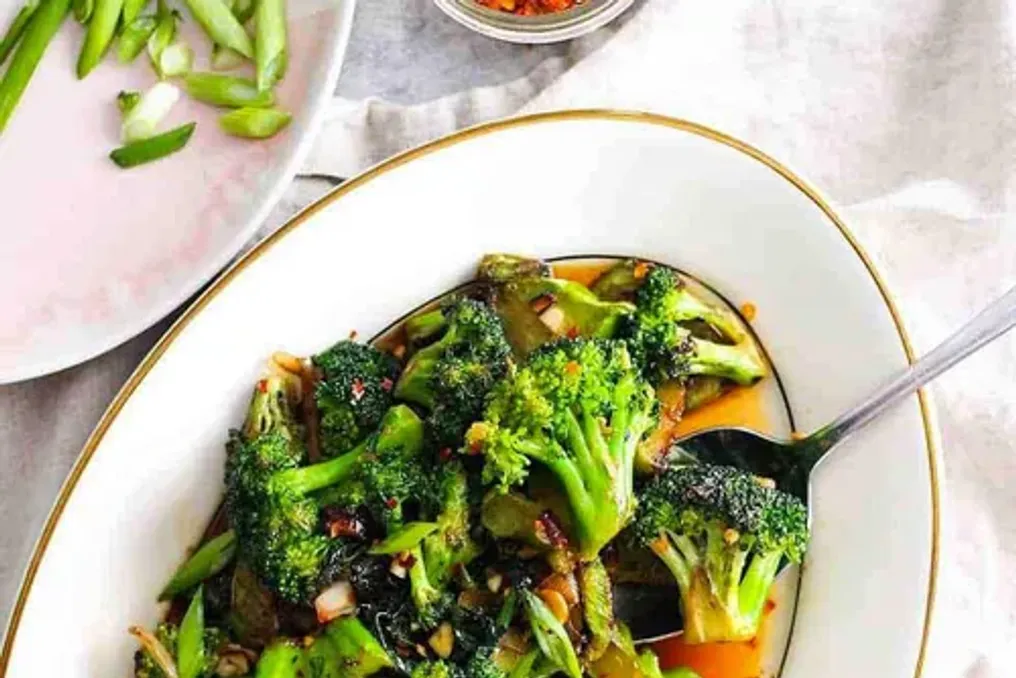
Next, melt butter in a pan along with plenty of minced garlic until fragrant. Add the broccoli and toss everything for one to two minutes, seasoning with flakes of salt, freshly ground black pepper, and a pinch of chili flakes if you like heat.
For extra texture, you can sprinkle toasted almonds or pine nuts. The result will be a hearty, aromatic, and far from ordinary side dish.
One of the main advantages of broccoli is its versatility. Its mild taste makes it an ideal base for various bright additions.
For an Asian style, you can mix baked broccoli with sweet chili sauce and sprinkle with toasted sesame seeds. If you prefer Mediterranean notes, combine warm broccoli with crumbled feta, extra virgin olive oil, and toasted sunflower seeds.
A spoonful of basil pesto mixed into hot broccoli instantly adds freshness, while smoked paprika, cumin, or even a pinch of your favorite spice blend can completely change its character. Broccoli pairs wonderfully with garlic, lemon, cheese, herbs, nuts, and spices, making it one of the easiest vegetables to refresh.
The most common mistake people make is overcooking. Whether boiling, steaming, or blanching, broccoli requires only a few minutes. As soon as it loses its vibrant green color and turns dull olive, it is overcooked.
Another common mistake is under-seasoning. Like potatoes or pasta, broccoli needs enough salt to bring out its natural sweetness, and a squeeze of lemon juice or vinegar can brighten every piece.
Furthermore, do not throw away the stem. Remove the tough outer layer and cut the tender inner part into rounds or sticks before baking or quick frying. It is just as sweet and crunchy as the florets.
Although broccoli may never have been the most showy vegetable in the supermarket, it possesses all the qualities to become an outstanding side dish.
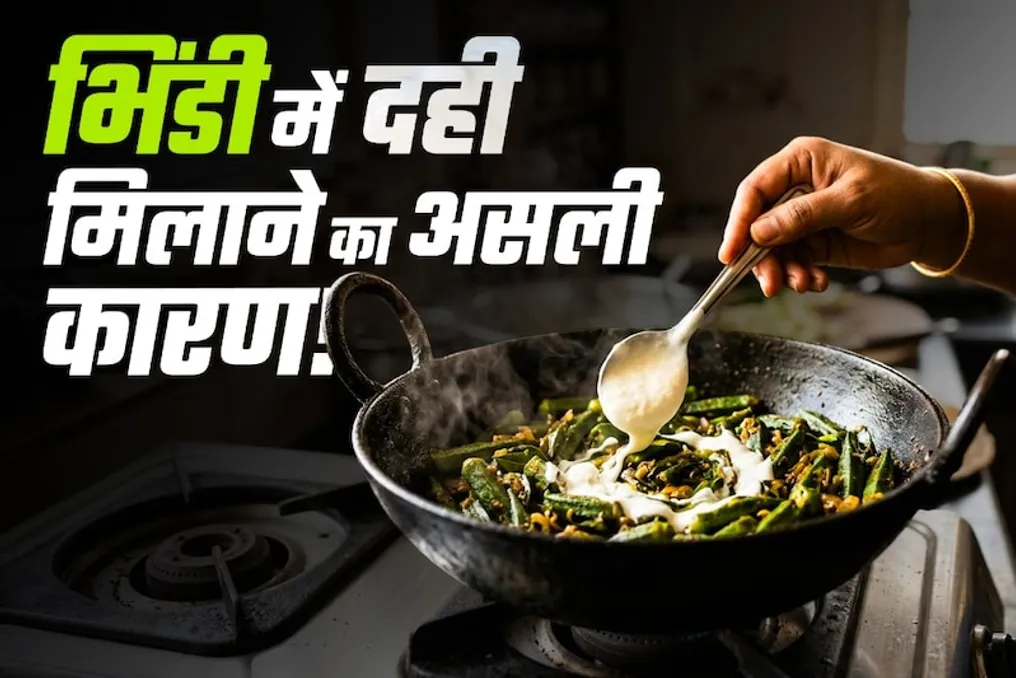
During the summer season, the bandji dish is often prepared in many homes, and children enjoy eating it greatly. There are several ways to prepare bandji, including fried, achari, or with yogurt. Some people add a spoonful of yogurt to the simple bandji dish. Adding yogurt to bandji is done not only to improve the taste but also for a very important reason that is considered an old and effective culinary trick. Many complain that bandji becomes sticky or slimy during cooking, which worsens the taste and texture. Yogurt helps reduce this stickiness due to its mild acidity, making the bandji dry and tasty. Furthermore, yogurt gives the dish a slight sourness that enhances the flavor of the spices and helps the bandji become softer inside. Yogurt also increases the nutritional value of the dish, as it contains calcium, protein, and beneficial bacteria.