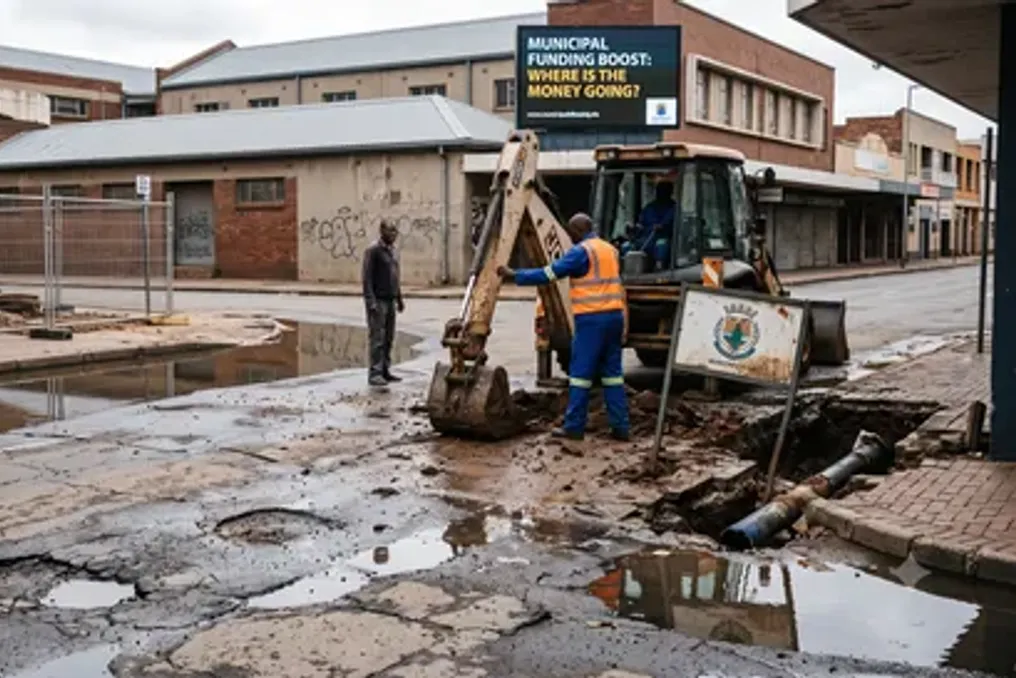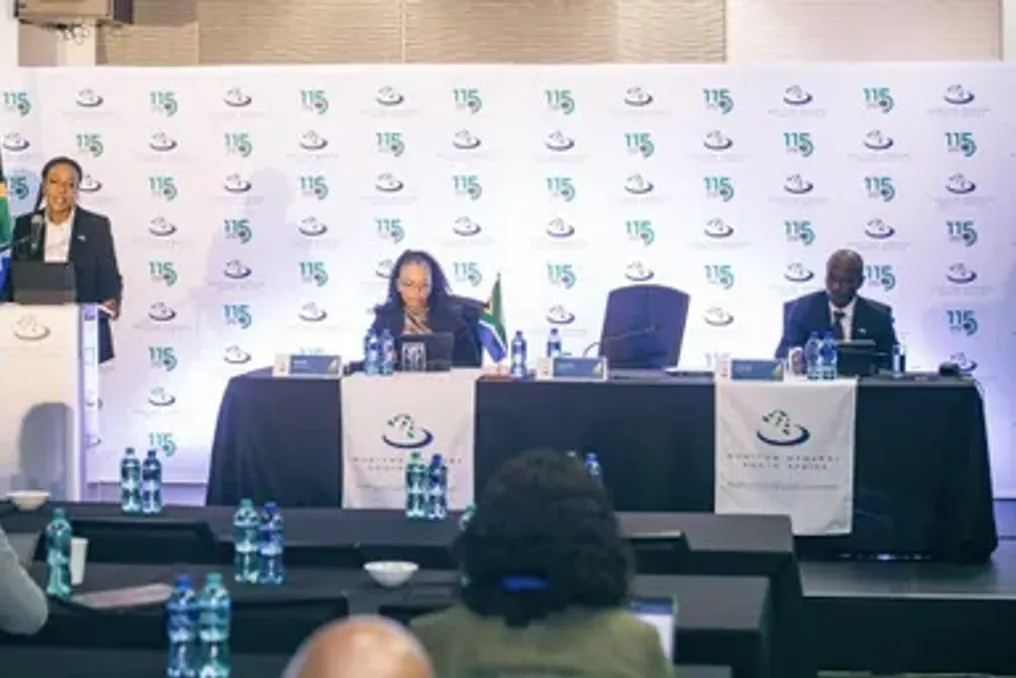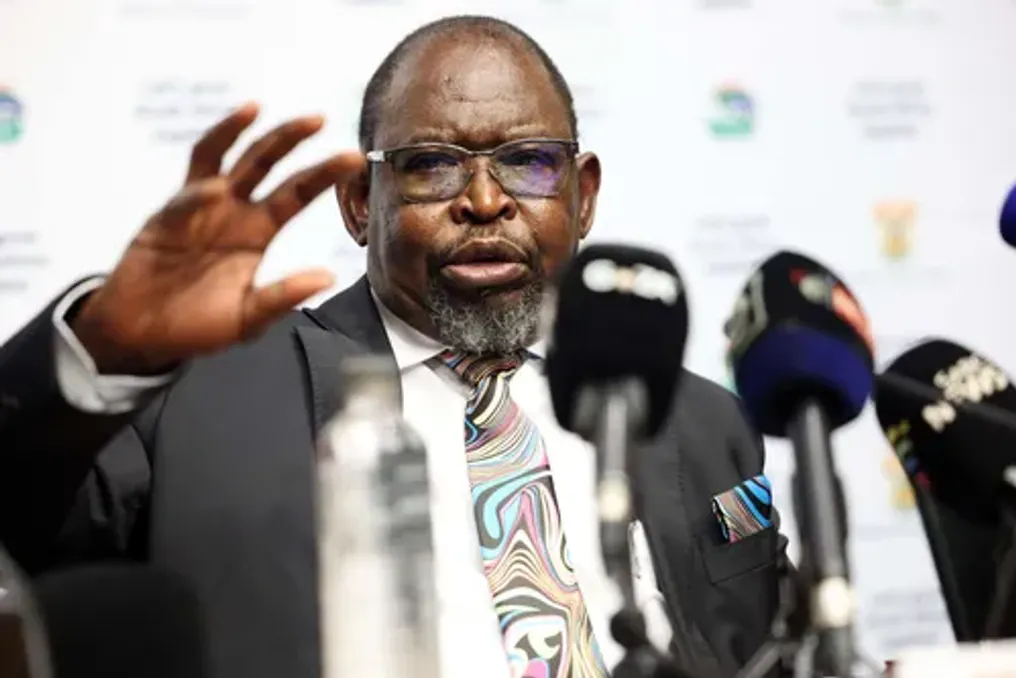
The National Treasury has temporarily suspended the transfer of municipal grants for July 2026 to over 60 local government structures, including Johannesburg. This decision was made because these structures failed to promptly resolve their financial issues.
Reasons for Funding Suspension
The National Treasury announced the temporary withholding of transfers due to 'persistent and serious non-compliance' with the Municipal Finance Management Act (MFMA) and related provisions, despite support provided by the Treasury through consultations, engagement, and communication.
Scale of Financial Problems
The announcement of transfer suspension affected numerous municipalities in South Africa and revealed widespread financial mismanagement. Municipalities incurred losses amounting to R24.12 billion in early and wasteful expenditure since 2021-22. Furthermore, irregular expenditure reached R145.21 billion, with R40.14 billion recorded just for the 2024-25 financial year.
Additional Financial Indicators
Since 2021-22, municipalities have disclosed R118.13 billion in unauthorized expenditure, of which R63.43 billion relates to budget items not involving cash. In 2024-25, 116 municipalities (45 percent) adopted unpaid budgets, which is higher than the figure of 113 (44 percent) in the previous year's adjusted budget.
Debt and Reporting Issues
By the end of 2024-25, municipalities owed Eskom R3.40 billion in interest and water boards R1.21 billion in interest. Moreover, 48 municipalities (20 percent) had overdue third-party deductions exceeding one month. The National Treasury noted that many municipalities failed to process instances of unidentified, irregular, fruitless, and wasteful expenditure (UIFWE) through their Municipal Public Accounts Committees (MPACs).
Consequences of Non-Compliance
The Treasury stated that non-compliance with financial legislation is not only a failure of fiduciary duties by municipal political and administrative leadership but also threatens the financial sustainability of essential service providers such as water boards and Eskom. Non-payment to third parties negatively impacts the ability of public bodies to function optimally.
Requirements for Resumption of Payments
Transfers will resume after the affected municipalities meet the necessary conditions and provide proper confirmation of their fulfillment. The Treasury expects the suspension to be short-term so as not to affect service delivery. It was emphasized that municipalities were given sufficient written notice urging them to take steps to improve their financial situation before the funds were frozen.
Expert Opinion on Local Governance
Professor Joseph Sekhampu, Director of the NWU School of Business, noted in a recent statement that the consolidated Auditor-General's report for 2024-25 showed that none of the metropolitan municipalities received an unqualified audit. Five metros have a qualified audit opinion, compared to two at the beginning of the sixth term.
According to Professor Sekhampu, total water losses in eight metropolitan municipalities amounted to nearly R10 billion, electricity losses exceeded R17 billion, and the average creditor payment period reached 121 days. He suggested that the dominant explanation for local government problems in South Africa has always been that many municipalities are too small, poor, and administratively fragile to operate effectively. However, according to the professor, the findings regarding the metros point to a different governance issue: metropolitan municipalities are not primarily constrained by resource scarcity, as they manage R336 billion—about 54% of local government expenditure—and serve almost 25 million people, possessing the institutional and financial capacity expected of large urban governments, yet continuing to face serious management breakdowns.