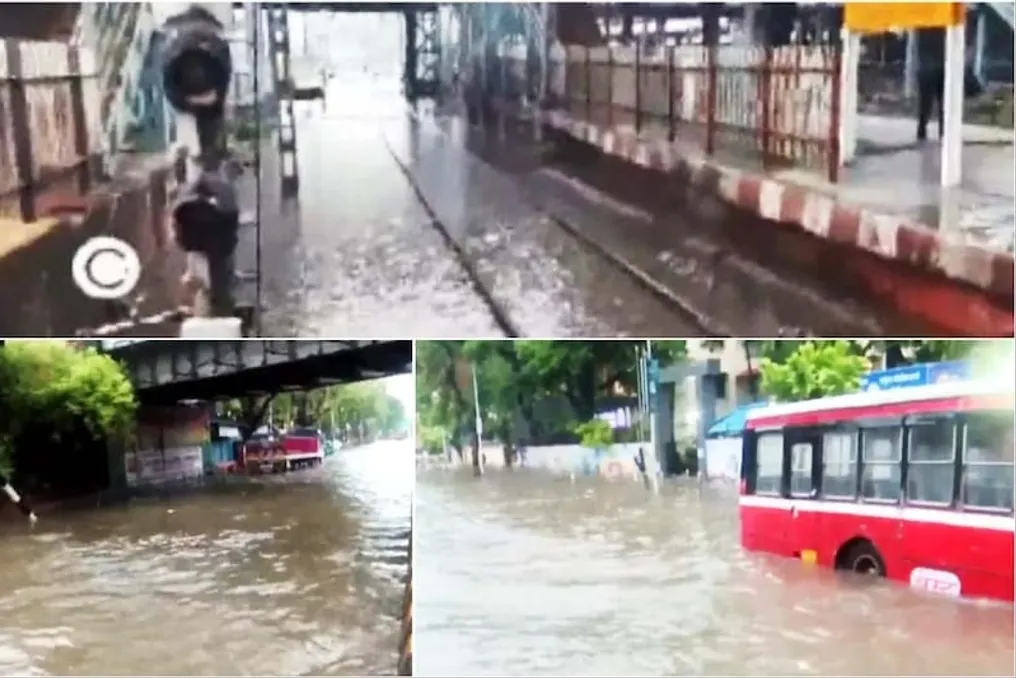
Mumbai, situated on the coast of the Arabian Sea, regularly suffers from flooding during heavy rains despite its proximity to the sea. During such events, streets turn into rivers, transport halts, and areas become submerged, paralyzing daily life. This raises the question of why water cannot drain into the sea and who is responsible: the Brihanmumbai Municipal Corporation (BMC) or the outdated drainage system.
Geographical and Structural Features
The city is surrounded by the sea on all sides, with the Arabian Sea forming its western boundary. Under normal conditions, rainwater should flow into the sea. However, during intense rainfall, water accumulates on streets, in settlements, and in low-lying areas.
The main reason is the city's low geological structure. A significant part of Mumbai is built at a very low elevation relative to sea level, with some areas even below sea level. This deprives the water of a natural gradient for runoff.
Infrastructure and Development Problems
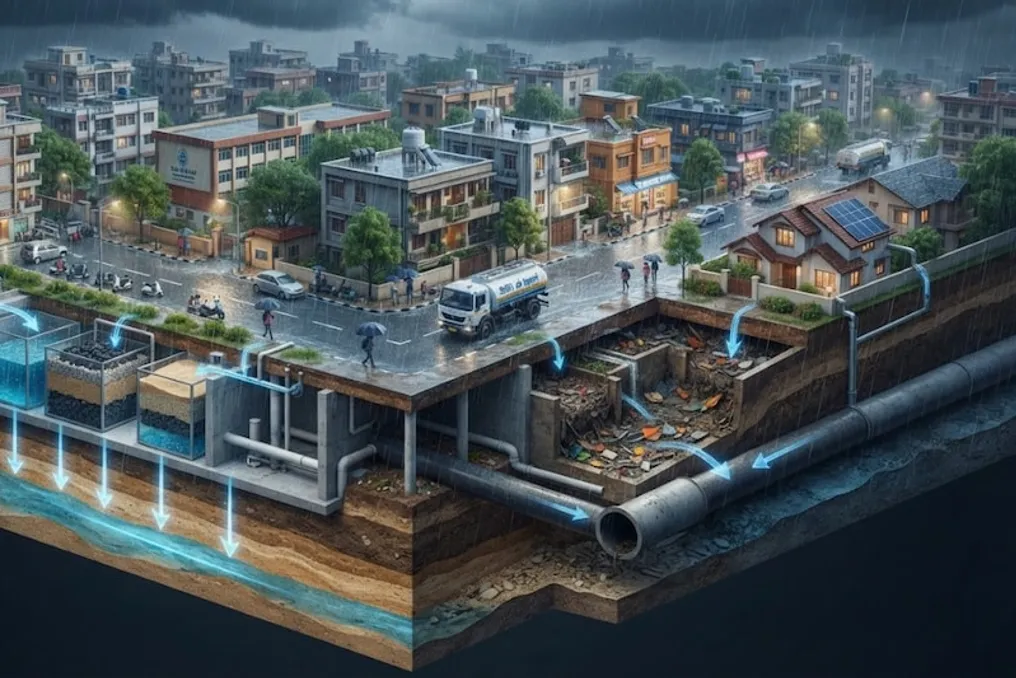
Mumbai's drainage system dates back to the British period, having been created in the 19th and 20th centuries. Today, it is completely inadequate for modern needs. When the city's population was around 10-15 million, it now exceeds 20 million. Population growth, uncontrolled construction, and the presence of slums put immense pressure on the existing drainage system.
Drainage channels are not cleaned in a timely manner, accumulating garbage, plastic, and waste. During the rainy season, these channels become clogged, and instead of draining, the water begins to overflow. Furthermore, in many places, the drainage pipes are too small to handle the volume of water during a heavy downpour.
Role of the Municipality and External Factors
The BMC is the largest municipality and bears primary responsibility for the drainage system, road maintenance, and flood management. For many years, the BMC has been accused of failing to clean the channels before the monsoon season, and pumping stations are malfunctioning, with many old pumps being in poor condition.
Nevertheless, the BMC states that it is undertaking large-scale works, including expanding intermediate canals and modernizing pumping stations. Experts note that the pace of work is extremely slow, costs are rising, and accusations of corruption and contractor collusion periodically arise.
In recent decades, chaotic construction has taken place in Mumbai: mangrove forests have been cleared, hills cut down, and low-lying areas filled in for building construction. This has led to the closure of natural drainage paths and reduced the soil's ability to absorb moisture.
Unauthorized constructions in slums and residential areas block drainage lines, leading to water stagnation and flooding. Climate change has become another major cause of flooding in Mumbai. Global warming is raising the temperature of the Arabian Sea, causing more intense precipitation over shorter periods.
Climate Impact and Need for Measures
Sea-level rise also increases the risk of flooding in low-lying cities like Mumbai. The simultaneous occurrence of high tide and heavy rain hinders water drainage because the high sea level causes a backflow in the drainage system. Ocean temperature cycles, such as El Niño and La Niña, affect the monsoon, making it irregular, although experts emphasize that El Niño is not a direct cause of flooding.
Moreover, the daily generation of thousands of tons of waste in Mumbai, much of which is dumped into the canals, exacerbates the problem, as mangrove forests and natural flood defense systems are destroyed. Many bridges, canals, and pipelines are outdated and cannot withstand the current load.
Experts insist on the need for a comprehensive plan for Mumbai, which must include complete modernization of the drainage system, preservation and expansion of mangrove forests, stricter control over unauthorized construction, mandatory implementation of rainwater harvesting, and the use of smart city technologies.
Thus, the flooding problem in Mumbai is the result of a combination of factors: an outdated drainage system, BMC shortcomings, unplanned development, climate change, and weather irregularity. The city's low elevation, blocked canals, and rising sea levels make water drainage difficult. Urgent joint action is required from the BMC, the Maharashtra government, and the central government to make Mumbai globally flood-resilient.