As part of the preparations for the launch of Vikram-1, India's first privately manufactured orbital rocket, one of the payloads will demonstrate a potential long-term solution to the growing problem of space debris through active removal.
Mission Embrace and Capture Technology
Cosmoserve Space has announced its first mission to demonstrate orbital technologies, named Mission Embrace. This mission will be conducted during the first orbital launch by Skyroot Aerospace under the codename Mission Aagaman. The launch is scheduled within the approved window between July 12 and August 4, 2026.
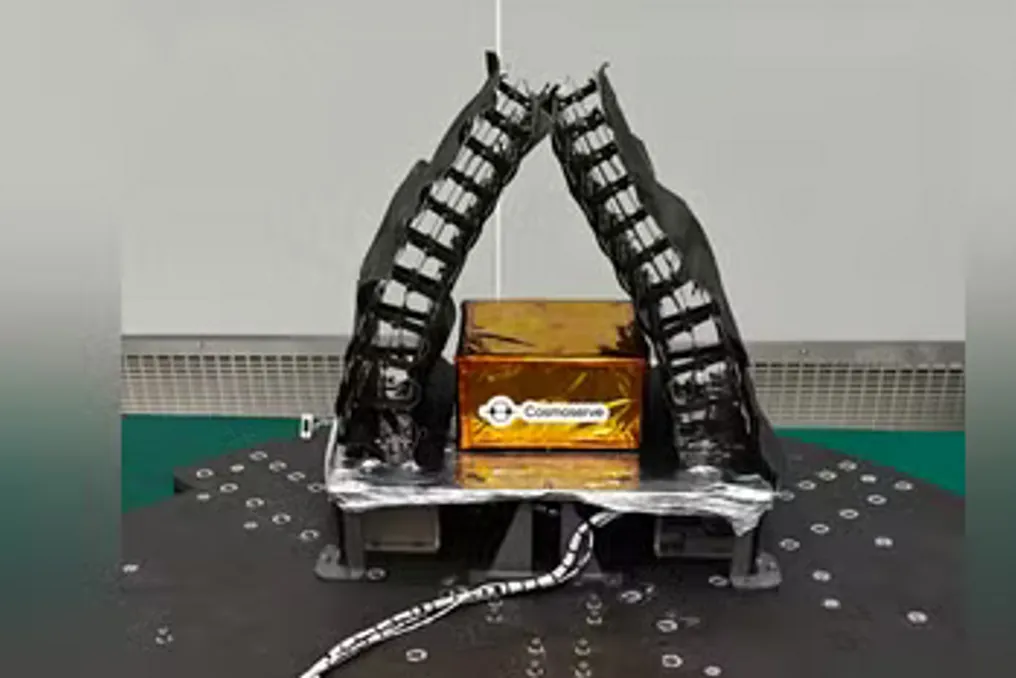
During Mission Embrace, an attempt will be made to demonstrate what the company calls the world's first example of soft robotic capture in orbit. Cosmoserve Space develops solutions for one of the most pressing problems in spaceflight—the increasing number of inactive satellites and orbital debris.
A Solution for Orbital Sustainability
Since thousands of defunct satellites and debris objects are already orbiting the Earth, and this number is expected to increase due to the expansion of satellite constellations, active debris removal (ADR) is becoming a critical element for ensuring long-term orbital sustainability.
The solution proposed by the company is a dual-space complex where a service robot captures and removes defunct satellites, which, according to the company, costs approximately one-tenth the price of similar methods.
Innovations and Development Pace
Chiranjeevi Phanindra, founder and CEO of Cosmoserve Space, noted that Mission Embrace is part of India's first private orbital mission attempting to demonstrate soft robotic capture in orbit. He emphasized that they developed this technology from concept to flight-ready equipment in just four months at a company that is less than a year old.
The system is based on Cosmoserve's soft robotic capture mechanism, which is a compliant technology designed for gentle attachment to unprepared and non-cooperative objects in orbit, characteristic of defunct satellites. Mission Embrace will be the first to test this capture technology in space conditions, which the company believes is a fundamental step in its broader plan for debris removal.
Phanindra added that the collaboration with Skyroot demonstrates how quickly the Indian private space ecosystem can implement innovations. He called Mission Embrace an important milestone in advancing technologies that ensure orbital sustainability and space debris removal.
Technology Certification Process
The pace of development also attracted attention. Cosmoserve reported that the technology went from idea to flight-ready equipment in only four months. The startup, established less than a year ago, stated that having a payload ready for launch places it among the fastest companies in the world transitioning from founding to flight.
The development was overseen by an independent committee consisting of former ISRO scientists and experienced industry representatives, following a structured engineering review process. The technology underwent a system concept review, preliminary design review, critical design review, and flight readiness review before receiving launch approval.
Mission Embrace marks the first stage in Cosmoserve Space's long-term strategy to create scalable technologies for active debris removal and in-orbit servicing. As satellite constellations grow and orbital congestion increases, technologies capable of capturing and removing defunct spacecraft will play an increasingly vital role in ensuring a safe, sustainable, and commercially viable space environment.