The 'Letters to the Editor' section presents various opinions regarding the political situation, social issues, and sporting events in Africa.
Assessment of Law and Order in South Africa
Mohamed Said Pietermaritzburg expresses gratitude to the South African Police Service (SAPS), all law enforcement agencies, private security companies, neighborhood watch groups, community volunteers, and the media for their work during the national protest march on June 30th. He emphasizes that thanks to the vigilance and experience of the security services, the rule of law was maintained, criminal activity was prevented, and public trust in the rule of law was strengthened.
Independent media also fulfilled its vital democratic function by informing the public. The author notes that amid rising global disinformation and censorship, independent journalism remains an indispensable pillar of constitutional democracy. The combined efforts of law enforcement agencies, private security, civil society organizations, citizens, and free media demonstrated the strengthening of the rule of law and the fight against corruption in South Africa.
Critique of the 2026 World Cup
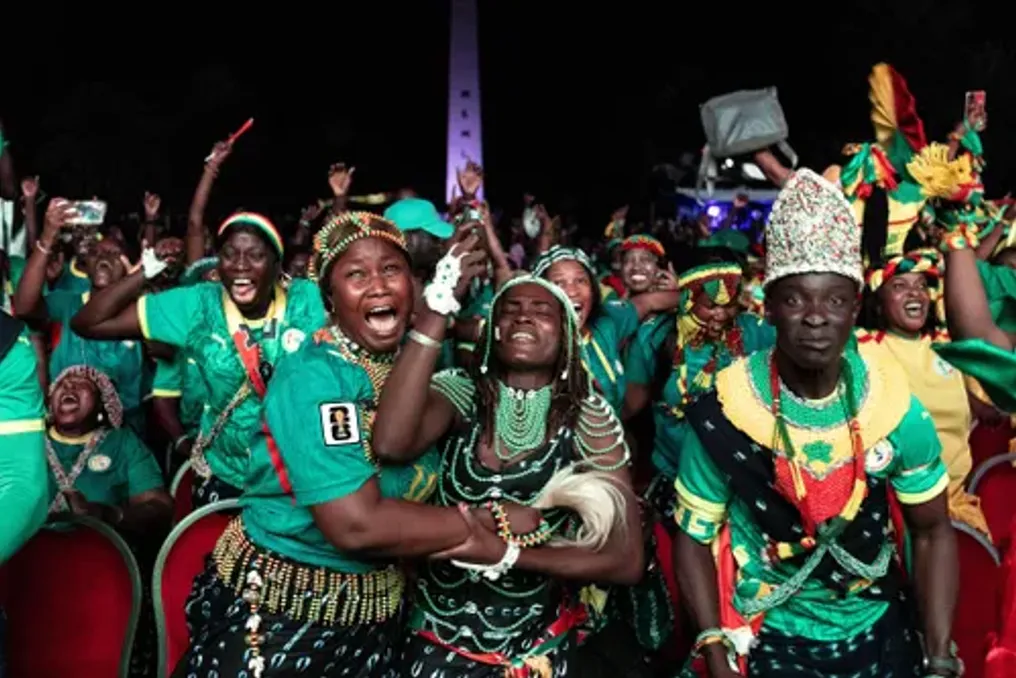
Farouk Arai Benoni believes that the 2026 World Cup will be remembered not for sporting achievements, but for the bitter aftertaste of injustice, arrogance, and political manipulation. Instead of the expected global celebration of unity, the tournament has turned into a theater of humiliation and exclusion. Particular condemnation is reserved for the appeal against the Somali arbitrator's decision, which, in the author's opinion, is a stain on the conscience of world football.
The marginalization of Iranian participants also caused concern, as politics shamelessly interfered with sports, turning athletes into victims of a cynical geopolitical game. The use of visas as a control tool showed that the tournament lacked fairness, and access was determined not by merit, but by political convenience. The tournament, which should have inspired and united, instead alienated and divided.
Call to Action for African Leaders
Malawi President Peter Matarrika returned from a two-week trip to South Africa, where he discussed the immigration crisis threatening to worsen relations between African countries with President Cyril Ramaphosa. The author believes that this approach allows leaders to grasp the depth of the problem and find solutions before the situation escalates into a catastrophe.
Matarrika recalls that in the 1990s, during apartheid, many Malawians worked in South African mines, being well-integrated and peaceful people. However, after the transition to black rule, the situation changed drastically due to the influx of foreigners, leading to devastating crises. The author calls on all African leaders to act decisively rather than shifting blame.
Zimbabwean Presidents Emmerson Mnangagwa and Matarrika deserve praise for the warm reception of those returning from South Africa and the promise to work towards building a prosperous future. Pastor Shepherd Bushiri also supported the repatriation of Malawians from South Africa, promising to provide 10 buses.
Accountability Issues in South Africa
The recent appointment of Dina Pollé as Minister of Social Development has once again raised questions about political responsibility and ethical leadership in South Africa. Pollé's history is well-documented: in 2013, then-President Jacob Zuma removed her from the position of Minister of Communications after corruption, nepotism, and mismanagement were discovered. The then-Public Protector, Thuli Madonsela, found that Pollé had acted improperly and illegally, misled investigators, and allowed unauthorized access to state resources.
Pollé's return to such a sensitive post as Social Development raises concerns, as this department is responsible for protecting the most vulnerable segments of the population. Placing someone with such a controversial management history in this role could undermine public trust in a system already suffering from service delivery failures. The change of minister, the departure of Sisisi Tsholase from this post, exacerbates the problem, raising questions about stability and whether changes are driven by performance or internal political calculations.
While supporters of the ruling party may argue that political rehabilitation is part of democracy, the lack of clear accountability and redress risks normalizing impunity. These concerns are amplified by the fact that previous findings included recommendations for rectifying the situation and recovering state funds, which have not been fully resolved publicly. This casts doubt on President Cyril Ramaphosa's claims of fighting corruption.