As part of the weekly Olhar Espacial program, two outstanding astronomical images from the past week are showcased. The broadcast is conducted by astronomer Marcelo Zurita every Friday starting at 21:00 Brazilian time on social media.
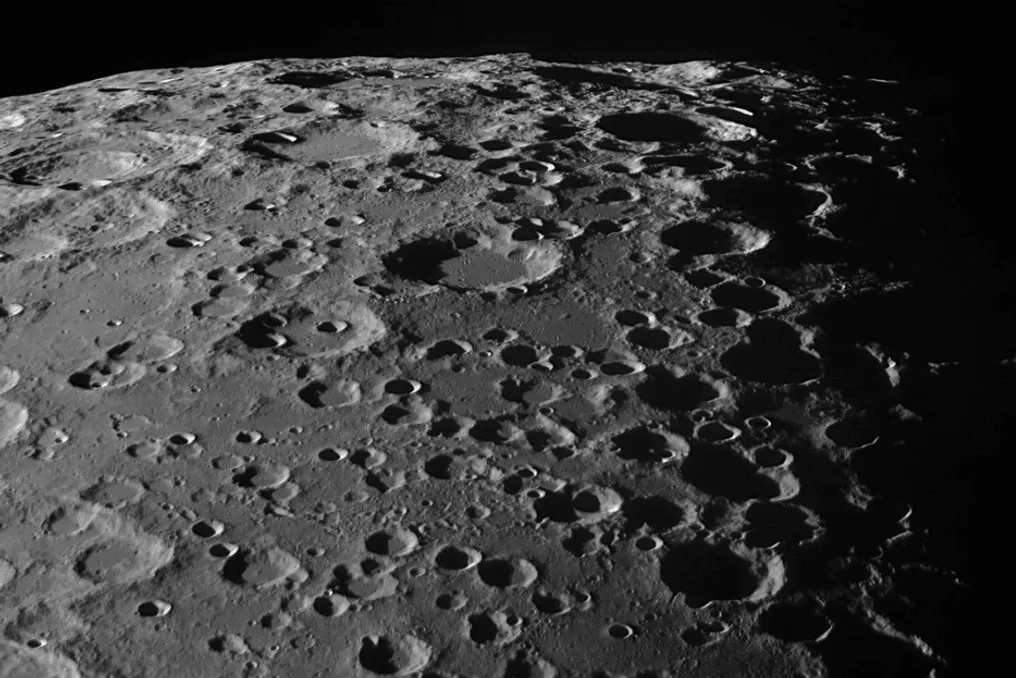
The Moon's South Pole
The first image presents one of the most sought-after areas of the lunar surface. This zone, located near the south pole, is characterized by a high concentration of permanently shadowed craters that potentially may contain deposits of ice. These reserves are critically important for providing water and oxygen for future lunar bases planned by both American and Chinese researchers.
The Horsehead Nebula
The second image is a view of the Horsehead Nebula, also known as IC 434. It is located 1260 light-years away in the direction of the constellation Orion. The shot was obtained by combining data collected using narrow-band and RGB filters, which allowed for the revelation of the entire complexity of this region.
While the narrow-band filters highlighted clouds of ionized gas, revealing filaments, shock fronts, and details of hydrogen, sulfur, and oxygen emission, the RGB filters preserved the natural colors of the stars and reflection nebulae, especially the bluish tint around Alnitak and the Flame Nebula. The result is a high-contrast image where the dark silhouette of the Horsehead stands out against the glow of the surrounding ionized gases.
Sources and Contribution
The selection of astronomical images for this week was made based on the APOD Brasil website—a portal supported by astronomers and photography enthusiasts. This resource is dedicated to spreading the beauty of space and publishes astronomical photography daily, highlighting the work of both Brazilian and professional photographers of other nationalities striving to reveal the wonders of our Universe. Those interested in participating in the APOD Brasil portal or the Olhar Espacial Weekly Astronomical Images program can use the provided form.