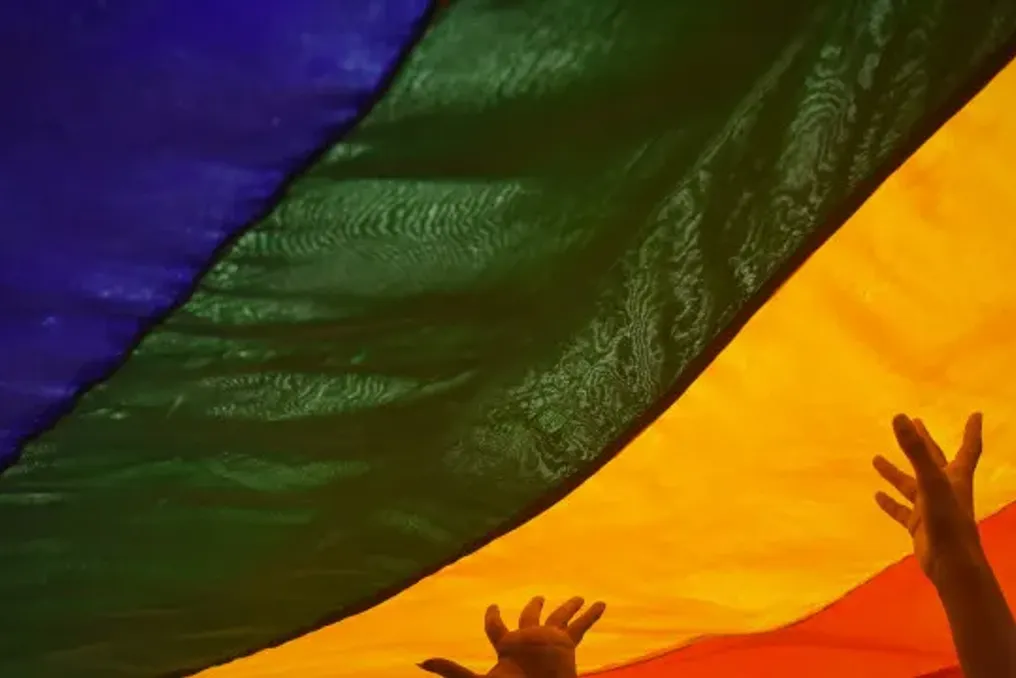
Analysts are supporting the legalization of LGBT associations in Mozambique, noting a significant level of prejudice among the population, including Christian circles within society. Analyst Juan Feijo, a researcher from the Rural Observation Center (OMR), stated that there is strong bias against this community, and that the Christian community in Mozambique is still nascent, showing strong aversion to these people, despite the old Pope blessing homosexuals.
Civil Society Activity
The non-governmental organization Maningue Diversidade plans to hold the first 'Pride' race in Maputo this month. The event aims to combat the historical invisibility of the experiences of LGBTIQ+ people—including lesbians, gays, bisexuals, transgender, queer, intersex, and asexual individuals—under the slogan 'We exist,' and it will take place from July 11 to 18.
Criticism of Prejudice and Government Inaction
Feijo criticizes that prejudices against these minorities are rooted in people who have long suffered from racial discrimination for similar minor reasons, which he calls 'great injustice.' He noted that the LGBT community in Mozambique faces immense pressure. Even Lambda, an organization advocating for the recognition of LGBTIQ+ rights, cannot be legalized because the process is stalled, and the state is unresponsive. He described the behavior of decision-makers as being driven by petty prejudices as sad.
The researcher believes that it would be politically advantageous for politicians to criminalize the existence of these sexual minorities, even if they are already organized into associations, albeit informal ones. This points to social disapproval of this group, which is often linked to pedophilia, although he admits that the country is not the worst on the continent regarding these communities.
Calls for Legislative Changes
Journalist Fernando Lima insists that the executive branch should promote the legalization of associations, arguing that these minorities are 'true Mozambicans' and therefore any stereotypes should be abandoned. Lima believes that the Government of Mozambique has postponed this issue for years, and as a rule of law acting within the Constitution that recognizes all Mozambicans, it must recognize its minorities, particularly sexual ones. He questioned the government's argument about cultural issues, asking how the existence of such people can then be explained.
He also pointed out that Mozambique has been criticized by United Nations human rights bodies precisely because of its refusal to accept the legalization of the Lambda association. Donors have expressed disagreement with the country, believing it does not fully respect human rights and the rights of this community. Lima concluded that a serious dialogue must take place in the new political cycle to accept the legal existence of a representative association for this sexual minority.
Sociologist's Position
For his part, analyst and sociologist Jaibo Mukufu reminded that legally, nothing prevents the existence of these relationships, but he called for reducing the pressure regarding the legalization of associations. He suggested that the movement should continue its activities without exerting excessive pressure on legalization, since the Constitution itself recognizes and protects this right, and he knows of no cases of extreme cruelty against these people. Mukufu believes that in the next fifty years, there will be no openings for legalization due to the Islamic-Christian foundation of Mozambican society and because the state is based on the principle of Roman Catholic law.