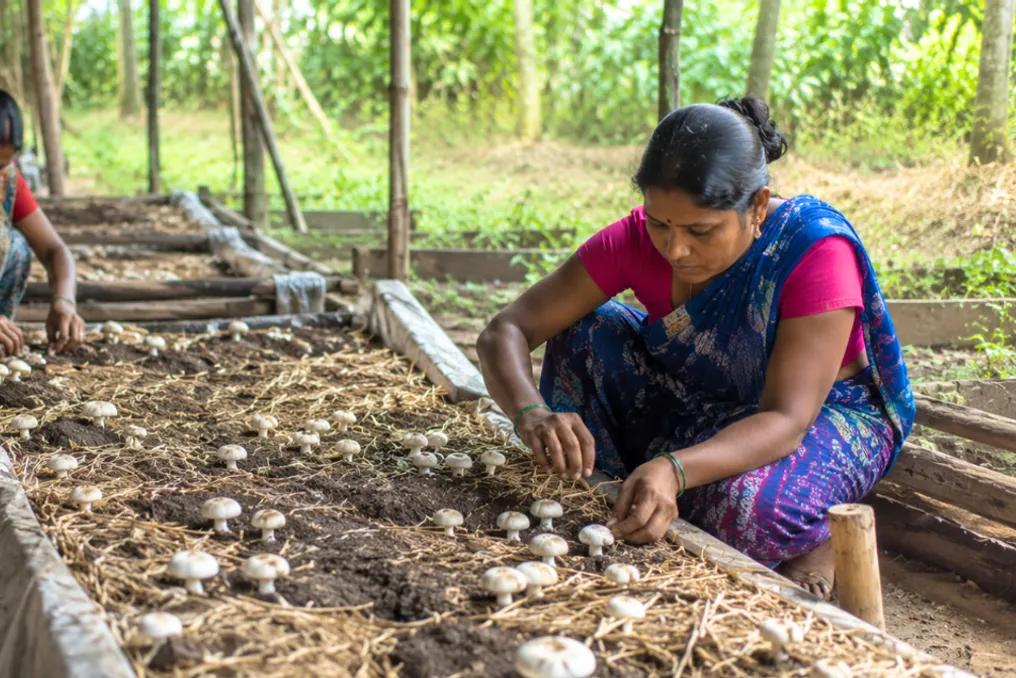
With the arrival of the first rains in India, the countryside transforms: fields become lush, streams fill up, and the air becomes more humid and cool. For most farmers, the monsoon marks the beginning of the Kharif sowing season, but in some regions, it also brings the opportunity to grow a profitable crop that does not require soil—mushrooms.
Unlike grains and vegetables that require extensive land areas, mushrooms thrive in controlled conditions. This makes them an ideal crop for smallholder farmers, women entrepreneurs, and home gardeners. The naturally high humidity during the rainy season creates favorable conditions for various types of mushrooms, reducing the need for expensive climate control systems. This is why the monsoon is considered the peak season for cultivating mushrooms such as oyster mushrooms, straw mushrooms, and milk mushrooms in many parts of India.
Biological Characteristics of Mushrooms
It is important to understand that mushrooms are fungi, not plants. Instead of obtaining nutrients from sunlight through photosynthesis, they feed on organic materials such as rice straw, wheat straw, sawdust, or sugarcane bagasse. Their growth largely depends on two factors: temperature and humidity. Most months of the monsoon naturally provide a humidity level of 80–90%, which promotes the rapid spread of the mushroom mycelium—the thread-like network from which the mushrooms emerge—through the cultivation substrate. Moderate temperature and moist air also contribute to healthy fruiting, making the rainy season optimal for cultivation.
Risks and Hygiene in Cultivation
However, the weather conditions favorable to mushrooms also carry certain risks. The same moist conditions that benefit mushrooms can promote the development of mold, bacteria, and other contaminants. Therefore, maintaining proper hygiene and ventilation becomes as crucial as maintaining humidity levels. Studies show that the risk of contamination is highest during the monsoon, emphasizing the need to adhere to clean cultivation methods.
Best Mushroom Varieties for the Rainy Season
Not all mushroom varieties prefer the same weather conditions. Among the most suitable options during the monsoon season are:
Oyster Mushrooms: One of the simplest types for beginners, oyster mushrooms grow well on agricultural waste such as rice or wheat straw and yield several harvests per growth cycle.
Straw Mushrooms: As the name suggests, these mushrooms thrive on rice straw and do particularly well in the warm, humid conditions of the monsoon.
Milk Mushrooms: Popular in warmer regions of India, milk mushrooms also grow well in damp weather and have a relatively long shelf life compared to many other varieties.
Tips for Home Cultivation
Those planning to try growing mushrooms themselves should keep a few things in mind. It is necessary to choose quality spores: healthy, uncontaminated spores from a reliable supplier offer the best chance of success. It is also important to prepare the substrate thoroughly: before use, the straw must be pasteurized or sterilized to eliminate harmful microbes competing with mushroom growth. Humidity should be maintained by light misting, while avoiding waterlogging of the substrate. Ensuring ventilation is critical, as fresh air prevents the buildup of carbon dioxide and reduces the likelihood of mold development. Maintaining cleanliness is extremely important: hands must be washed, tools disinfected, and growing bags regularly inspected, removing any bags showing signs of green, black, or foul-smelling contamination before it spreads.
Opportunities in the Rainy Season
As the demand for nutritious food grows and interest in sustainable agriculture increases, mushroom cultivation is becoming an attractive way to earn a living across India. This activity requires relatively little land, efficiently utilizes agricultural waste, and can generate income within weeks of planting. Thus, while the monsoon fills ponds and nourishes fields, it quietly supports one of India's most fascinating seasonal agricultural practices. For many producers, every rain is not just good weather, but the perfect environment for an abundant mushroom harvest.