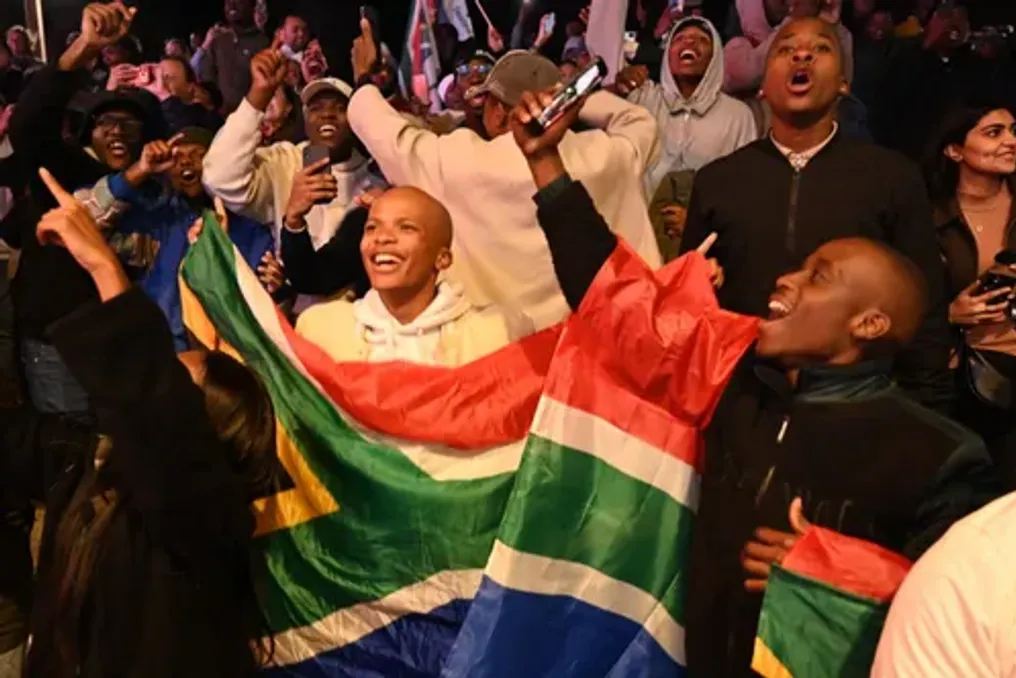
South Africa's journey at the 2026 FIFA World Cup was shaped not only by their historic advancement to the 32nd round but also by what transpired outside the pitch. Fashion, celebrations, and fan moments demonstrated the tournament's deep connection to the country's daily life.
The Team's Historic Journey
The Bafana Bafana team reached the knockout stages for the first time in history. However, it was the color, sound, and energy of the fans that transformed this campaign into a cultural moment both in Mzansi and beyond.
Even after a 1-0 defeat against Canada in Los Angeles, the atmosphere surrounding the team remained filled with pride, joy, and memorable moments that felt more significant than the football itself.
Fan Fashion and Self-Expression
Fashion played a key role in how South Africans presented themselves on the global stage. Fans who traveled to North America displayed a blend of traditional attire and modern football style. Traditional patterns, beadwork, and cultural outfits were often seen in stadiums and airports, reflecting their identity and pride.
This support was complemented by street wear in green, yellow, and blue tones, and local fan merchandise became an indispensable element throughout the tournament. The stands were decorated with scarves featuring flags, vintage jerseys, and cultural wraps, turning every match into a touching display of South African distinctiveness.
Celebrations at Home and Abroad
The celebration back home was a defining feature of the tournament experience. Due to time zone differences, key matches often took place early in the morning. When Thapelo Maseko scored the decisive goal against South Korea, the streets of Soweto, Durban, and Johannesburg came alive: fans in pajamas, dresses, and slippers took to the streets to celebrate.
This moment felt spontaneous and collective, as if the entire nation simultaneously took to the streets to become part of history. Radio stations played a major role in conveying the mood, bringing classic football songs and local hits back into active airplay. Music and football merged into a single celebration, with living rooms, taxis, and street corners broadcasting the same soundtrack of pride.
Inside stadiums and locker rooms, video clips of the team's celebrations amplified the sense of unity, where dancing, singing, and laughter reflected the squad's cohesion at that moment. Fans also made their presence known far from home. South African communities in cities like Los Angeles and Monterrey gathered in large groups in fan parks and viewing areas, creating an atmosphere of Mzansi in foreign cities.
Although vuvuzelas were banned from this year's tournament, fans used chanting and songs such as 'Shosholoza' to fill the air, often surprising local spectators with their volume and rhythm. When the final whistle blew against Canada, the mood shifted, but did not fade. Fans in the stadium and observers across South Africa reacted with applause and appreciation for the team that had gone further than ever before. It was a farewell marked not by silence, but by pride, concluding a chapter that was as emotional as it was historic.