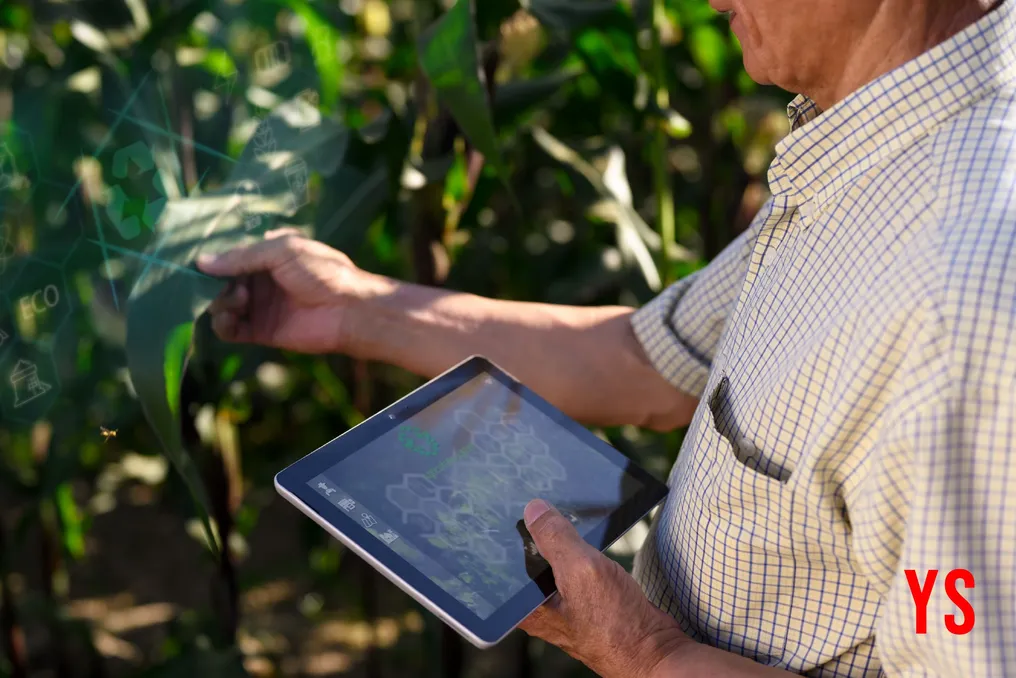
A medium-sized food processing company faced a challenge: it lacked a reliable way to verify incoming raw materials from a network of farmers. Information regarding crop varieties, resource usage, and harvest dates was stored either in handwritten logs or was entirely absent. The company's goal was to digitize the data from farms and increase procurement transparency to know what they were acquiring even before it arrived at the factory.
Digitalization Outcomes
The company successfully implemented the digitization project. However, an unexpected effect emerged during the process. When data started coming from the farm level—information on soil condition, agronomic practices, spraying records, and field observations—a picture appeared that no purchasing manager had seen before. Farms that looked identical on paper began to show significant differences in management. These differences proved to be predictive: farms with certain patterns of resource use and crop health indicators consistently supplied higher quality raw materials, while others were subtly moving towards lower quality long before harvest. Thus, the digitization project transformed into an early warning system.
Popular
Data Challenges in Indian Agriculture
This case is not an isolated example; it reflects trends in India's agribusiness. According to a large-scale study by NABARD Consultancy Services (NABCONS, 2022), India loses agricultural produce worth over Rs 1.5 lakh crore annually. Fruits and vegetables lose between 6% and 15% of their produce, and perishable goods remain vulnerable due to supply chain gaps. These losses cannot be eliminated simply by increasing production; improved management is required, and for that, more information must be obtained earlier.
It is projected that India's food processing sector will reach $535 billion by 2025–26 (IBEF). Only the AI segment in agritech is growing at a Compound Annual Growth Rate (CAGR) of 44%, increasing from $900 million in 2025 to $5.6 billion by 2030, according to the StarAgri Indian Agritech Market Landscape Report. Although infrastructure for digital agriculture is being built, and political intent is clear, little is discussed about who exactly benefits from the valuable information generated by this infrastructure. The answer is most often: no one, at least not yet.
Who Benefits from AI in Agriculture
There is a common assumption in agritech discussions that the primary beneficiary should be the farmer. Indeed, farmers benefit from better crop management, timely consultations, access to resources, and markets. However, the organization with the greatest untapped potential for systematic use and generation of farm data is agribusiness. A processing company buying from 500 farmers can spread the cost of a digital system across the entire supply chain. A resource supplier consulting 2000 farming clients already has agronomists on the ground. There is infrastructure for data collection, but there is a lack of the level that turns this data into solutions.
This is what AI provides. When agribusiness starts making more informed decisions—purchasing from the right farmers at the right time, intervening before crop deterioration, planning purchases months instead of weeks in advance—the farmer also benefits. More efficiently managed supply chains ensure better prices, and a reduction in defect rates minimizes disputes at the farm gate. Early consultations based on field data reach the farmer at a moment when they can still have an impact. Thus, empowerment happens in both directions, but it must start with agribusiness having the tools for clear situational awareness.
From Records to Intelligent Analysis
The true power of AI in this context lies not in any single function, but in the cumulative effect of interconnected data. Farm records provide traceability. Traceability allows for quality prediction. Quality prediction enables smarter procurement planning. Procurement planning influences supply chain and inventory decisions. Each subsequent level builds upon the previous one.
The processing company, which initially aimed for digitization, ultimately managed to foresee quality fluctuations before harvest, optimize advance purchase commitments, and create a supplier rating system that reflected agronomic reality, not just volume. None of this was the original objective; everything became possible once the data started flowing. This pattern is observed widely among agribusinesses transitioning from simple digitization to gaining intelligent analysis. The initial use case is narrow, but the unlocked value is vast.
Future of Indian Agribusiness
India's digital agriculture mission has allocated Rs 2,817 crore for creating a robust digital agricultural ecosystem (Ministry of Agriculture & Farmers Welfare, 2024–25). Government intentions are clear, but government investment in infrastructure does not automatically lead to corporate-level intelligence. Transforming this potential requires platforms designed for the complexity with which medium and large agribusinesses actually operate: multiculturalism, operation across different geographical regions, and supply chains stretching from the farmer's field to the production workshop and export container.
The opportunities are immense, as is the gap between the current state of most agribusinesses and what is realistically achievable. Most companies are still at the record-keeping stage. A small number are beginning to use data for operational decisions. Very few have moved to predictive analytics. The next three to five years will determine which agribusinesses can build this capability independently and which will discover that their competitors already possess it. At Khetibuddy, working with agribusinesses covering over 250,000 acres and more than 35 corporate clients, this shift has been observed. The first movers are not necessarily the largest; they are those willing to view farm data as a strategic asset, not merely a compliance requirement. It is this shift in mindset, not any single technology, that the Indian agribusiness sector needs in the near future.