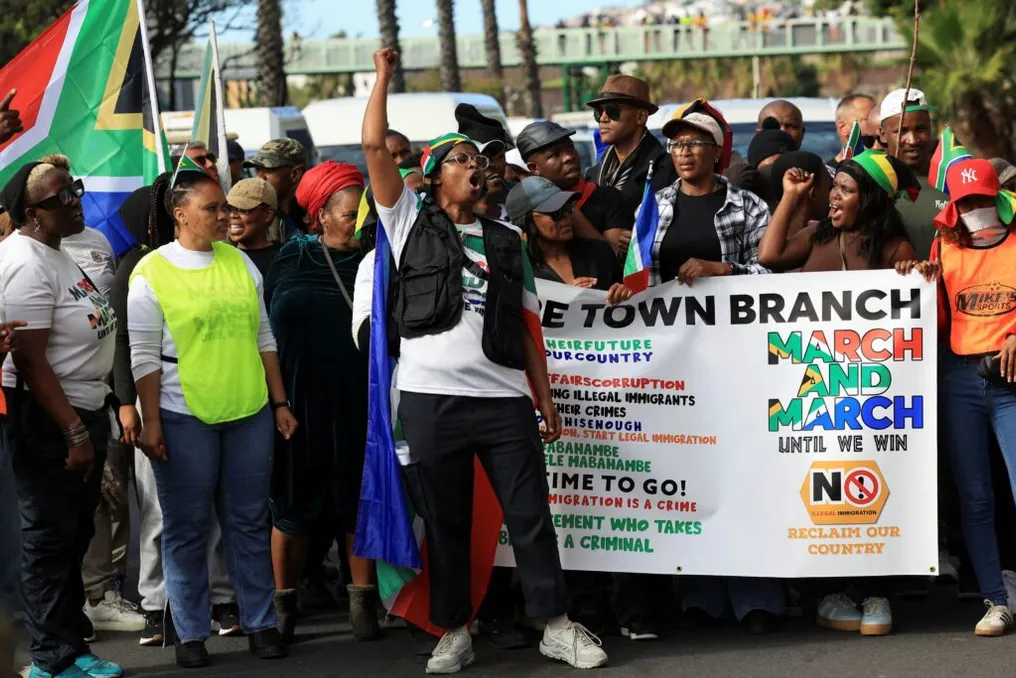
The events of June 30th reflected not only citizens' participation in street actions but also who stayed home, the reasons for this, and the general state of a country experiencing both frustration and apprehension.
Course of Events on June 30th
On June 30th, South Africa did not experience complete calm. Protesters gathered in various cities, the police maintained a noticeable presence, and the country closely monitored the march and mobilization. However, alongside the demonstrations, there was another reality: many businesses closed early, workers stayed home, and various events were rescheduled. Countless people, especially foreign nationals, moved around cautiously throughout the day. The overall mood was not empty, but rather filled with anticipation.
Reasons for Mobilization
The mobilization was initiated by a coalition of anti-immigration organizations. These groups demanded the departure of illegal migrants from South Africa and called for nationwide protests on June 30th. Organizers emphasized that it was a protest, not a complete shutdown of the country, yet the level of uncertainty in the days leading up to it was high enough to prompt many South Africans to alter their usual routines.
Preceding Events and Tension
This uncertainty was not unfounded. In the weeks leading up to the march, reports surfaced regarding violence associated with anti-immigration protests. These incidents included attacks on foreign nationals, assaults on journalists covering the unrest, and the forced displacement of families in certain areas of KwaZulu-Natal.
Cultural Aspect of Sentiment
According to analysts, the most important issue is not just political development but also cultural shifts. Deep dissatisfaction among the South African population stems from high unemployment, economic pressure, inefficiency of public services, and long-standing injustice. Nevertheless, June 30th demonstrated how quickly this discontent can transform into a broader societal problem affecting not only politics but also people's daily lives—their movement through cities, support for local businesses, attendance at cultural events, and interaction with each other.
Conclusions on the State of the Country
Regardless of whether people supported the march, opposed it, or simply sought to avoid trouble, this day left a distinct impression. South Africa faces issues that extend far beyond a single protest. The true cultural essence lies in the fact that the story of June 30th concerned not only those who marched but also those who remained at home, the conversations held behind closed doors, and the anxious feeling that gripped many communities as the country tried to figure out what would happen next.