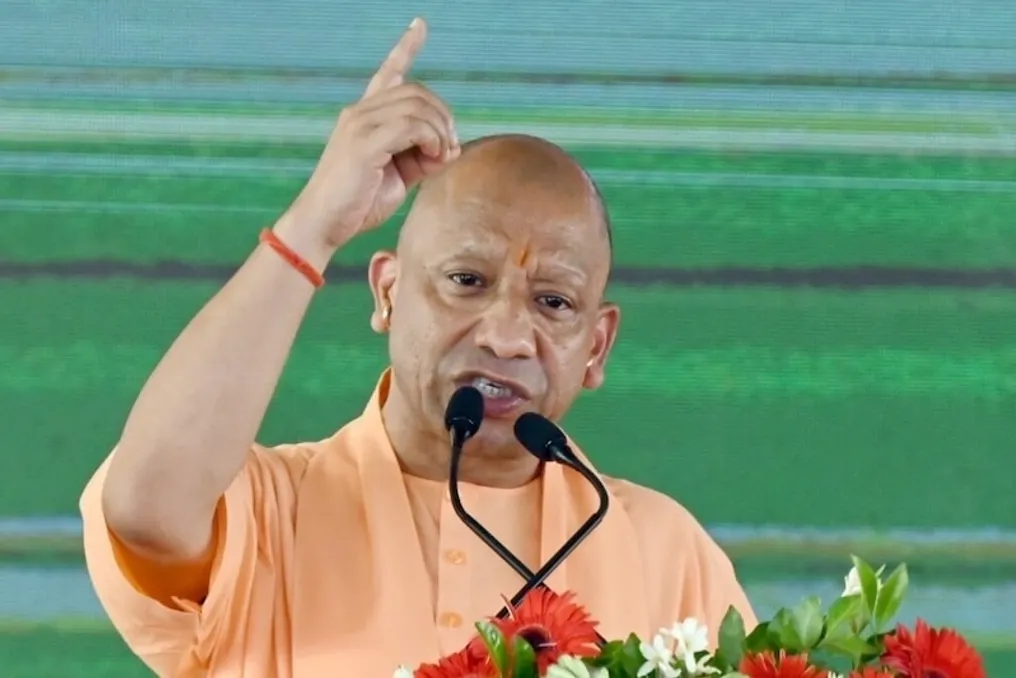
During a Cabinet meeting chaired by Chief Minister Yogi Adityanath, the Uttar Pradesh Data Center Policy 2026 was approved. The main objective of this new policy is to transform the state into the leading hub for green and AI-ready data centers in the country.
Goals and Investments of the New Policy
According to the government, the policy aims to develop an additional capacity of 2 gigawatts for data centers and attract investments exceeding 200 billion rupees. As a result of implementing the new policy, a world-class ecosystem for data centers will be formed in the state. This ecosystem will lead to the development of IT companies, cloud services, digital services, and technology sectors, expanding employment opportunities.
Expected Jobs
Popular
Official forecasts indicate that about 7,500 people will receive long-term direct employment, while temporary direct employment is expected for approximately 50,000 people during the construction of data centers. Furthermore, a significant number of indirect jobs will be created, which can benefit local residents and small entrepreneurs.
Support for Regional Development
The new policy places special emphasis on regional balance. It was decided to provide additional incentives to increase investment in Bundelkhand and Purvanchal. This should promote the emergence of new industrial opportunities in these areas and accelerate job creation at the local level. Experts believe that if large data centers are located in these regions, there will be rapid growth in related sectors such as hospitality, transport, energy, internet, security, and food service.
Focus on AI and Sustainability
IT and Electronics Minister Sunil Sharma stated that the policy has been designed keeping future needs in mind. Priority is given to GPU-based infrastructure, artificial intelligence (AI) computing power, energy efficiency, and ecological functioning. The policy provides for special provisions to incentivize Tier-3 and Tier-4 category data centers, as well as to ensure 'green' data centers and sustainable operation. This will promote low-carbon infrastructure, modern technology, and energy saving.
Results of Previous Policy
The government notes the positive results achieved through the data center policy introduced in 2021 and subsequently revised in 2022. Under the same policy, six data center parks and projects for two other units were approved, attracting investments worth about 21,343 crore rupees. Seven of these projects have already started operations. The new policy aims to take this success to a higher level so that Uttar Pradesh becomes one of the country's leaders in digital infrastructure.
Opportunities for Youth
The data center sector is not limited to engineers. Its expansion opens up opportunities for job growth in fields such as IT, computer science, electrical engineering, mechanical engineering, civil engineering, network administration, cybersecurity, cloud computing, data management, technical support, security services, building maintenance, cleaning, and logistics. Additionally, small and medium enterprises can find new business opportunities in server installation, cabling, equipment supply, maintenance, and other services.
Financial Decisions for Panchayats
The Cabinet meeting also approved a proposal regarding the financial needs of three-tier Panchayat institutions. For the fiscal year 2026-27, an allocation of 14,988.50 crore rupees is provided under the State Finance Commission. Approximately 10 percent of this amount will be directed towards administrative, operational, and maintenance expenses. Of this fund, about 495.89 crore rupees will be spent on salaries and compensation for Panchayat representatives. About 157.38 crore rupees has also been allocated for administrative and technical tasks related to the 'Clean India' (rural) program and the Finance Commission.
Significance of the Decision
The digital economy is rapidly evolving, and data centers have become its most crucial basic requirement. Thus, the new Uttar Pradesh data center policy is viewed not merely as a plan to attract investment, but as a step that simultaneously stimulates employment, the digital industry, AI technology, and regional development. If the investment targets are met on time, thousands of young residents of the state will gain access to technological jobs and new commercial opportunities in the coming years.