The World Health Organization (WHO) has launched the first clinical trial of experimental treatments targeting the Bundibugyo strain of Ebola in the Democratic Republic of Congo (DRC). This marks a significant step in efforts to contain the recent outbreak of the disease in the country.
Trials and Diagnostics
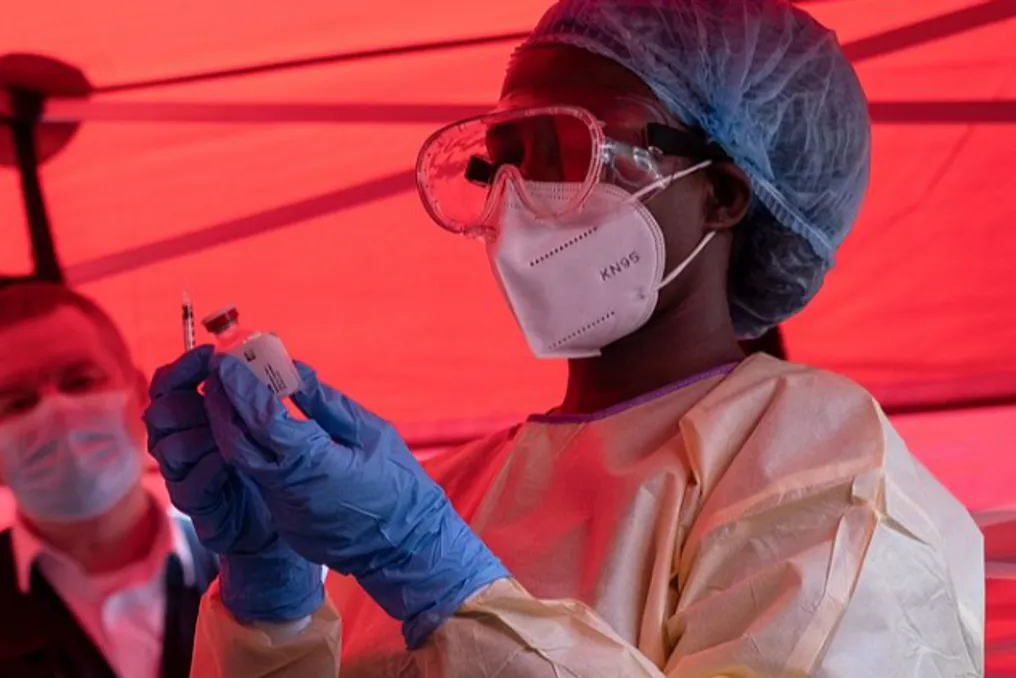
Since there are no approved vaccines or treatments for the Bundibugyo strain, researchers have begun assessing two experimental therapies. The goal is to determine if they can improve survival chances among infected patients. WHO Director-General Tedros Adhanom Ghebreyesus reported that the first participant was enrolled in the study this week. The trial will evaluate the effectiveness of the monoclonal antibody MBP134 and the antiviral drug remdesivir, both individually and in combination.
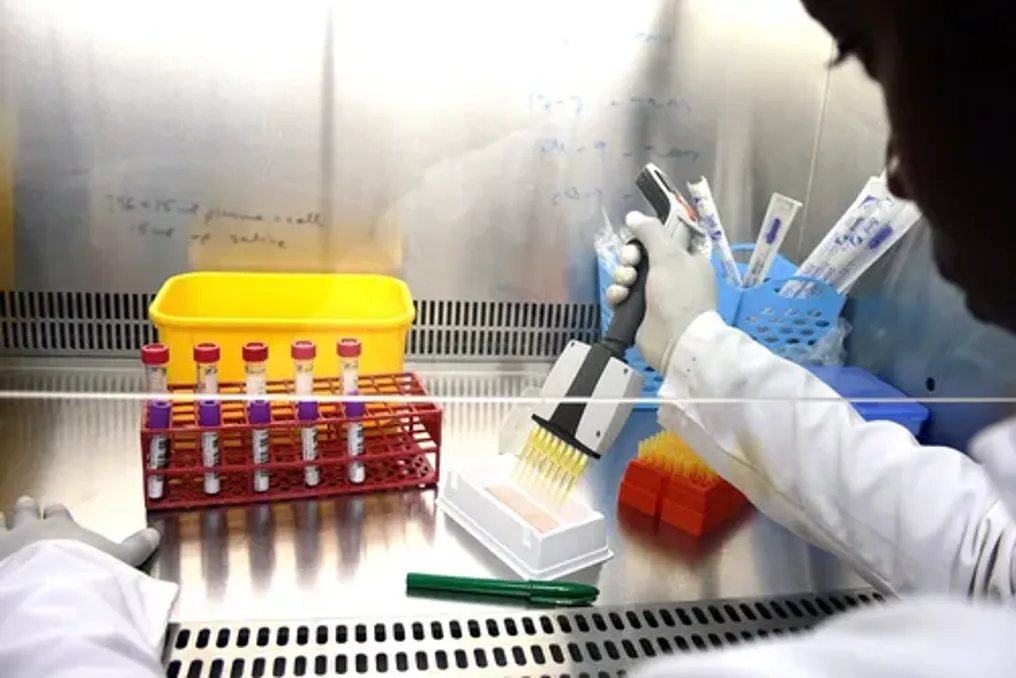
Concurrently, the WHO has granted emergency use authorization for the first molecular diagnostic test specifically designed to detect the Bundibugyo strain of Ebola virus. Healthcare workers note that the new test can significantly speed up diagnosis, allowing for faster isolation and treatment of patients.
Challenges and Safety
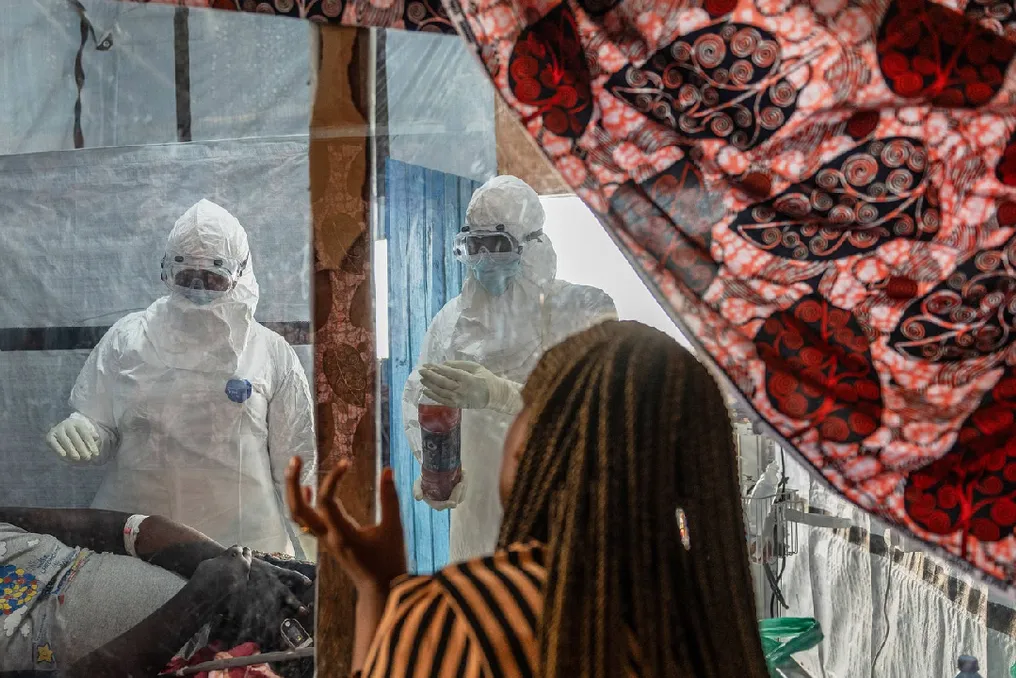
Despite scientific advancements, officials warn that the outbreak continues to spread, and instability remains a major obstacle to an effective response. Health authorities have expanded laboratory capacities, increased contact tracing, and established additional treatment centers in affected areas.
However, ongoing violence has repeatedly disrupted medical operations and endangered healthcare workers. Tedros noted that despite the progress, serious issues persist, including mistrust and violence. He cited an attack on an Ebola treatment center in the Ituri province this week, which resulted in two deaths and the burning of the center, forcing patients to flee.
Calls for Peace and Support
Regional leaders have also called for greater security to support public health measures. During a meeting in Kinshasa, South African President Cyril Ramaphosa expressed optimism about developing a vaccine against the Bundibugyo strain by the end of the year. Nevertheless, he stressed that a medical breakthrough alone is insufficient to stop the outbreak.
Ramaphosa stated that a ceasefire is necessary in the region where Ebola is spreading and fighting continues. This is required to ensure safe passage for humanitarian aid, healthcare workers, and medicine to those affected. Furthermore, Ramaphosa announced a donation of $13.5 million to support the DRC's efforts to combat Ebola, as African governments and international partners intensify efforts to contain one of the region's most complex public health crises.