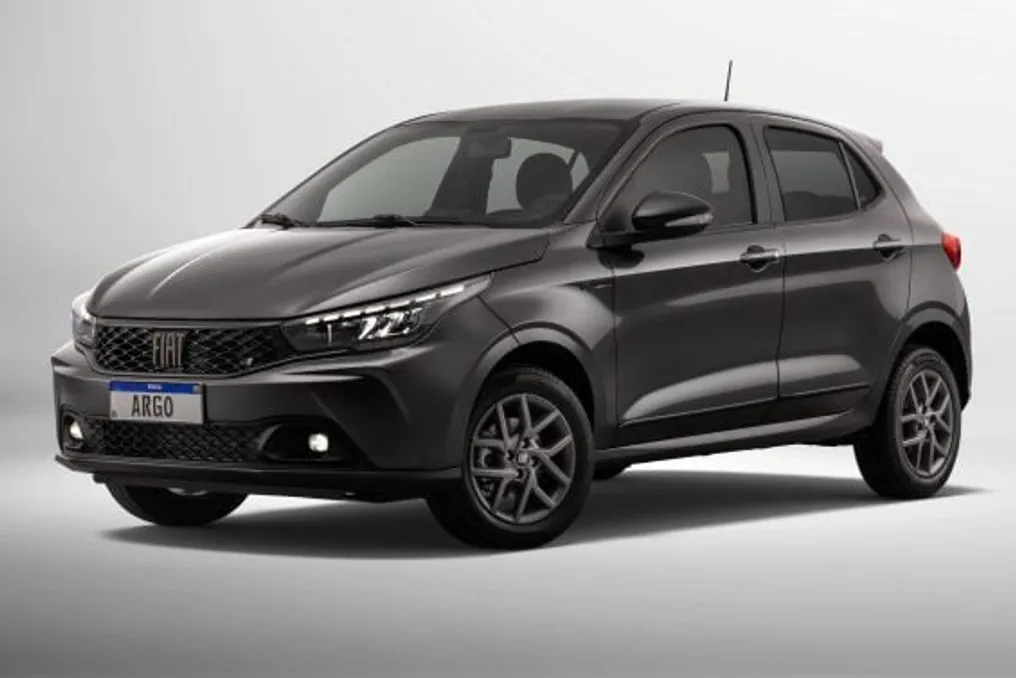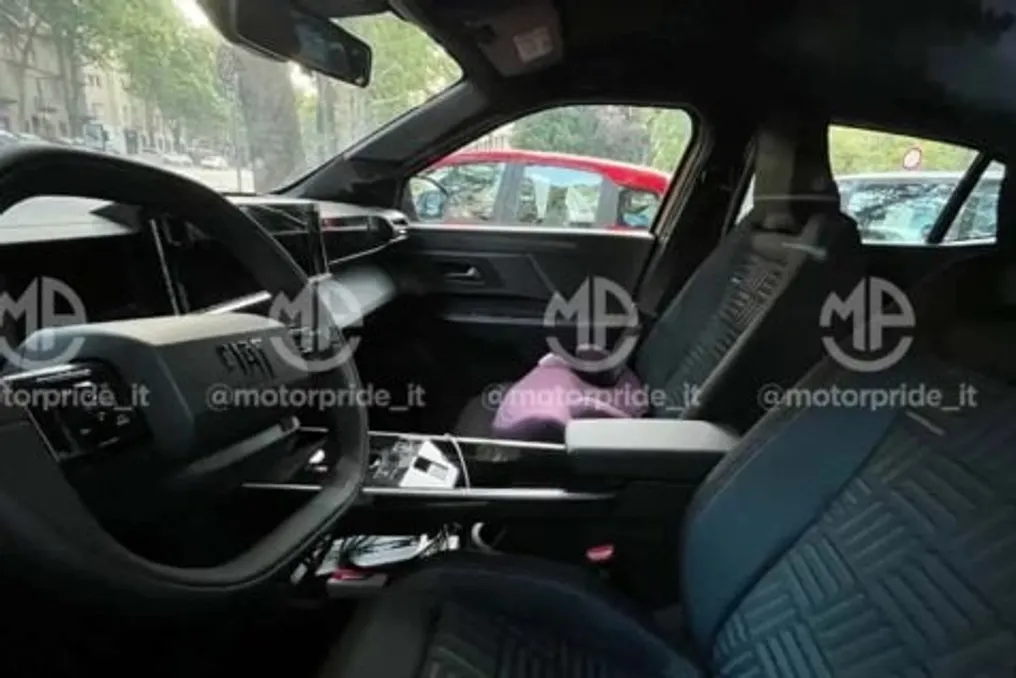
Fiat is advancing in the development of its new vehicle line, initially focused on the European market, but with direct implications for the brand's future in Brazil. The interior of the unprecedented Fiat Grizzly, which succeeds the Pulse and Fastback models, was captured for the first time, allowing for a detailed analysis of what the automaker plans for its future SUVs.
Grizzly Design and Architecture
Although the Grizzly uses the same technical architecture as the recently launched Grande Panda (which replaces the Argo in Brazil), the photos released by the Italian profile Motorpride.it show that the cabin has a distinct visual identity. Unlike the hatchback, which opts for colored plastics and a more playful look, the interior of the new SUV features an entirely black finish, a choice that aligns better with Brazilian consumer preferences.
According to sources in the Italian press, the interior seen in the images corresponds to the coupe variant, the Grizzly Fastback, but this will be identical to that of the conventional body version. The dashboard has received a complete redesign, characterized by more robust and horizontal lines, and the sense of quality is enhanced by the use of contrasting stitching in the upper section.
Interior Details and Connections
Another notable point is the center tunnel, which now features a suspended structure to house the gear shift lever, providing ample storage space underneath. The multimedia center maintains its centralized position, preserving the configuration of an adjacent open compartment, similar to the Grande Panda. Despite the uniqueness of the design, the Grizzly incorporates elements from the Panda lineage, such as the multifunction steering wheel, side air vents, and physical controls for the air conditioning system.
The seats, in turn, display a graphic with a strong nostalgic appeal, featuring diagonal lines that reference the classic Fiat emblem from the 1980s and 1990s.
Versions and European Launch
In Europe, the Grizzly line will be offered in combustion, mild hybrid, and electric versions. The offering will start with the 100 hp 1.2 turbo engine with a manual transmission, progressing to electrified options of 110 hp and 145 hp with automatic transmission, culminating in the 113 hp electric versions, which promise an autonomy of approximately 400 km. With a length under 4.5 meters, the model will have its official debut at the Paris Motor Show and is expected to arrive at European dealerships between October and December 2026, with estimated prices starting from around R$ 118 thousand (€ 20,000) in direct conversion.