The World Health Organization (WHO) representative in Iran, John Jabbar, emphasized the significance of WHO cooperation centers in building the organization's scientific and technical capacity.
Significance of Cooperation Centers
He noted that through their research capabilities, technical expertise, and specialized knowledge, the cooperation centers strengthen WHO's ability to provide high-quality, evidence-based technical support at national, regional, and global levels. This was reported in a WHO press release on June 30.
Event and Forum
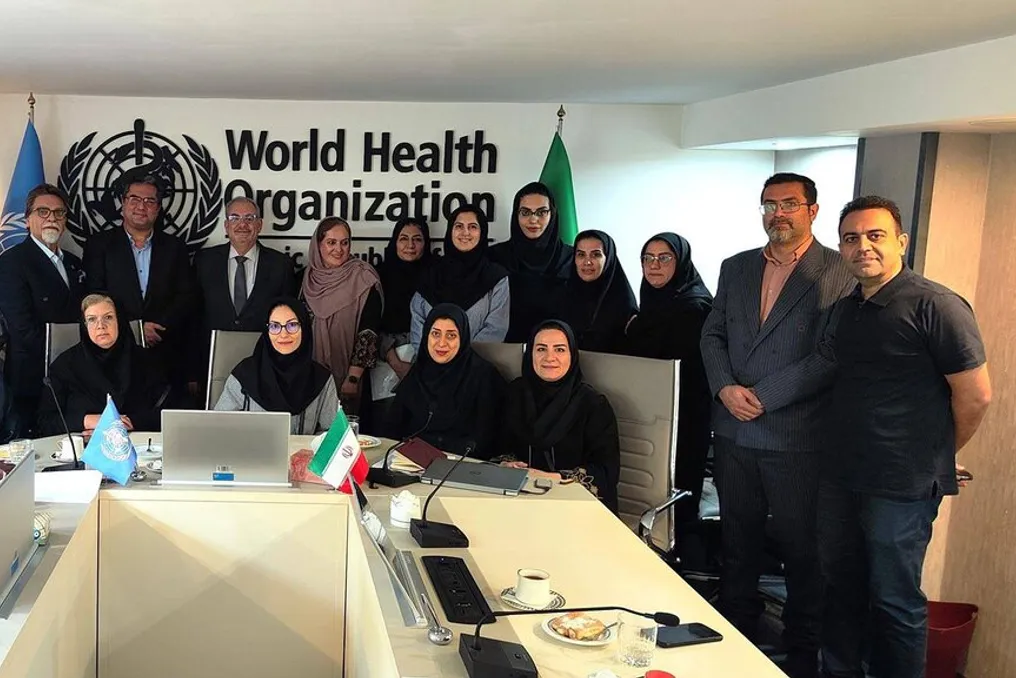
These remarks were made during the opening of a briefing organized by the WHO Country Office in Iran in collaboration with the WHO Regional Office for the Eastern Mediterranean. The event was intended for leaders and technical experts of WHO cooperation centers in Iran to familiarize themselves with the key outcomes of the First Global Forum of WHO Cooperation Centers.
The First Global Forum took place in Lyon, France, from April 7 to 9, 2026, under the theme 'Cooperation for a Healthier Future.' Experts from hundreds of WHO cooperation centers in over 80 countries, senior WHO leadership, and technical coordinators attended.
Participation and Goals of the Briefing
Due to a recent conflict and related disruptions in internet and communication services, representatives from Iranian WHO cooperation centers could not attend the Forum either in person or virtually. The briefing was organized to bridge this gap, ensuring that centers in Iran remained informed, connected, and actively participated in subsequent Forum activities.
Addressing the participants, Jabbar highlighted the strong scientific, research, and technical capabilities available in Iran, as well as the potential of Iranian WHO cooperation centers for broader contributions to WHO's work. He specifically emphasized the importance of strengthening interaction, knowledge sharing, and networking among centers to enhance their collective contribution to common health priorities.
Iran's Potential and Development Directions
For his part, Arash Rashidian, Coordinator for Science, Innovation and Data for Impact, Health Systems and Life Cycle at the WHO Regional Office for the Eastern Mediterranean, drew attention to Iran's powerful scientific and research potential and the possibility of further expanding the number and technical scope of cooperation centers. He stated that there are currently 18 active centers operating in Iran, and there are additional opportunities in areas such as digital health, health information systems, evidence-to-policy transition processes, and research management.
Rashidian added that the ultimate goal of knowledge generation is to support better decision-making, the development of national guidelines, policies, and programs, and the promotion of the practical application of evidence.
Discussion of Forum Outcomes
Mehrnaz Heyrandish, Regional Advisor on Evidence, Data and Research for Policy and Impact, Health Systems and Life Cycle, and Dr. Arshad Altaf, Technical Specialist on Evidence, Data and Research for Policy and Impact, Health Systems and Life Cycle at the WHO Regional Office, presented the main points, new topics, and regional discussions that arose at the First Global Forum.
During the discussions, representatives from Iranian centers raised issues concerning the processes of granting and re-granting status, possible changes in mandates and work plans, international and regional cooperation, participation in emergency and disaster response activities, and the need for more regular information exchange with WHO. Participants also discussed prospects for strengthening links between centers and identifying additional institutions capable of contributing to WHO priorities.
Conclusion and Next Steps
The session concluded with a general commitment to maintain close interaction, strengthen networking, and explore opportunities to expand the contribution and visibility of Iranian WHO cooperation centers. In his closing remarks, Jabbar thanked the participants from the cooperation centers and the Regional Office, emphasizing the importance of continuous engagement, stronger networking, and close collaboration to increase the recognition and influence of Iranian WHO cooperation centers.