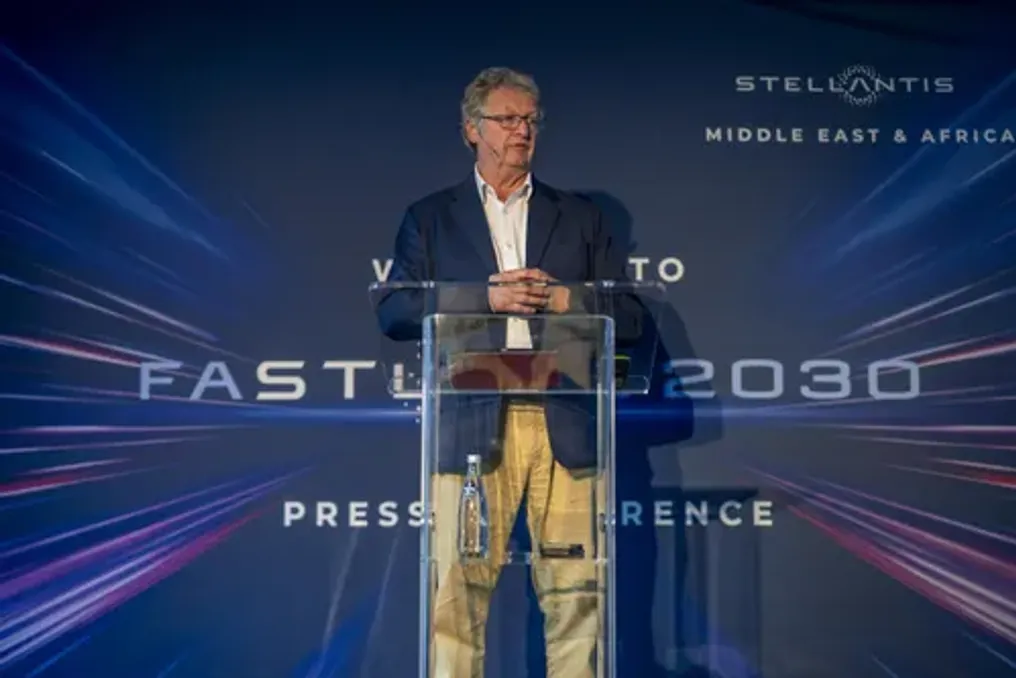
The automotive group Stellantis, which unites fourteen of the oldest and most recognizable global brands, is demonstrating active growth in its South African business, which is expanding at approximately two and a half times the rate of the overall new car market.
CEO Michael Whitfield noted that the company is growing from a relatively small base, but emphasized that this momentum is sustained year over year. A significant part of this growth is driven by the Citroën passenger car lineup, whose sales have increased by more than 45% compared to 2025, while the Peugeot Pro One commercial vehicle range has more than doubled last year's sales figures.
Fastlane 2030 Strategy
Whitfield made these statements during a briefing on the Fastlane 2030 strategy for the Middle East and Africa. The goal of this strategy is to increase the group's revenue by 40%, while ensuring that 90% of sales come from 22 models manufactured in the region or imported from Asia.
Significance of South Africa
Previously, during the same briefing, Stellantis COO for the Middle East and Africa, Samir Cherfan, named this region one of the fastest-growing automotive markets globally, given that about a quarter of the world's population resides there. Currently, Stellantis sells over 500,000 vehicles annually in the Middle East and Africa, ranking second among automakers in the region.
However, Whitfield clarified that the majority of these sales are concentrated in North Africa and the Middle East, whereas South Africa and the rest of Sub-Saharan Africa are expected to contribute much more in the future.
Dealer Network Restructuring
A key element of the growth strategy is the transformation of Stellantis' dealer network in South Africa into multi-brand dealerships. This new retail model will bring together brands such as Jeep, Fiat, and Peugeot with regional brands like Citroën, Opel, and Alfa Romeo under one roof. Dealers will also represent Leapmotor, Stellantis' Chinese joint venture partner, which is expected to play an increasingly important role in the company's electrification plans.
Michael Whitfield stated: 'To be relevant in the South African market, you need a four to five percent market share, and that is what we will build through our core brands. It is critical that we achieve the same success in the southern region as Stellantis achieves in the north.'
Local Production Planning
Stellantis already has assembly plants in Algeria, Egypt, Morocco, and Nigeria, while plans for establishing a production facility in South Africa are still under consideration. Whitfield confirmed that the proposed plant in the Koega Special Economic Zone in the Eastern Cape was suspended, not cancelled. He added that the factory was initially planned exclusively for pickups, but its concept is now being reviewed to support more than one model.
The company continues close cooperation with the government to develop a sustainable business case for this project.
Fiat Tris and Micromobility
Another important growth area for Stellantis is micromobility, especially for small businesses and entrepreneurs involved in 'last-mile' delivery. The company plans to launch the electric three-wheeled Fiat Tris in South Africa by the end of this year. This versatile commercial vehicle is designed for a payload of up to 500 kg and aims to offer an affordable transport solution for small businesses.
According to Stellantis South Africa's Director of Micromobility, Kabelo Rabotlo, more than half of logistics costs are attributed to the 'last-mile' delivery stage. He noted that the Fiat Tris offers an inexpensive, mobile solution that is easy to operate, maintain, and scale as the business grows. Rabotlo concluded: 'Micromobility enables movement, and when you can move, you can create opportunities. It is really about job creation, not just transportation.'