South Africa's commercial real estate has shown a steady recovery, achieving four consecutive years of positive capital growth despite pandemic-induced uncertainty. This success points to a more constructive macroeconomic backdrop and improved sector fundamentals.
Results for the Last Year
According to the MSCI South Africa Real Estate Index, sponsored by Absa, the sector delivered a total return of 12% over the 12 months ending December 2025. This marks the best result since 2018. Yield stood at 8.5%, exceeding the 10-year average, while capital growth brought property values back to pre-decade levels.
For the second consecutive year, the MSCI South Africa Real Estate Index achieved the highest overall return among components of the global MSCI index in local currency. The improvement is evident not just in one part of the market, but across many sectors.
Retail and Industrial Sector Dynamics
The retail sector, which accounts for 61% of the index by value, generated a total return of 12.7% in 2025, up from 12% the previous year. Retail in settlements and rural areas also performed well, with returns of 17% and 17.8% respectively. These results were achieved amid slowing inflation and falling interest rates, which supported consumer spending.
According to the SAPOA Retail Trends Report for Q4 2025, trade density growth was 3.9% year-on-year. Although this figure was lower than at the beginning of the year, it matched inflation, and tenant demand for quality retail space remained high. Vacancy rates improved to 4.5%, and tenant accessibility, measured by gross rent-to-sales ratio, remained stable at 6.8%.
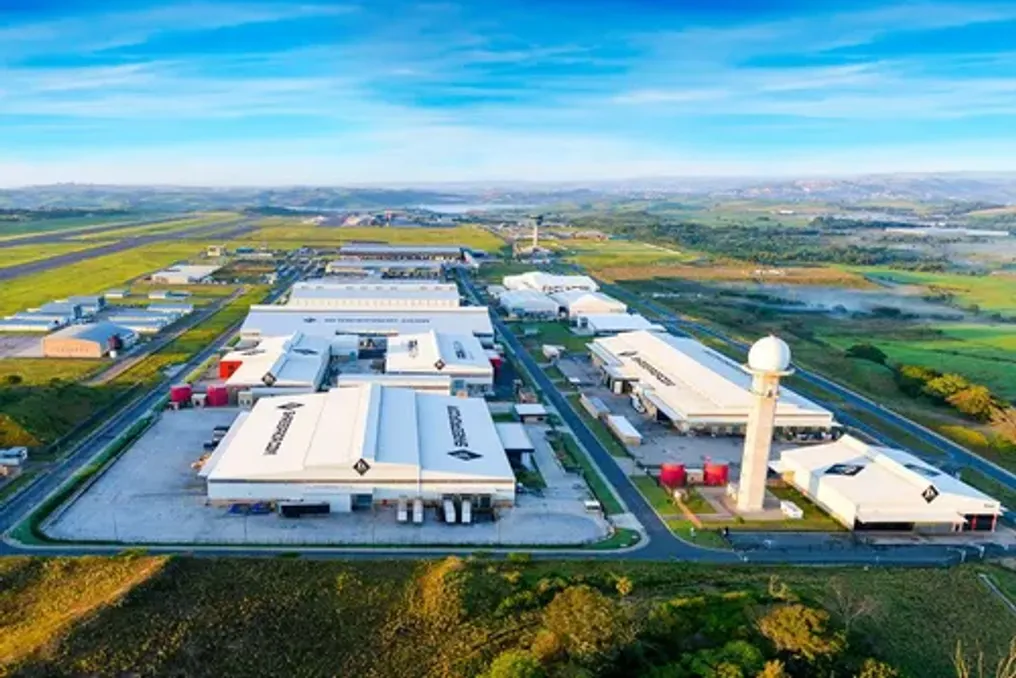
In the industrial sector, activity throughout 2025 was sustained by demand for logistics properties, tenant-initiated developments, and low vacancy rates. This sector, representing 11% of the MSCI index, once again provided the highest overall return among core property classes—13.4%. Although capital growth slowed compared to 2024, rental yield remained stable. Industry remains the sector where the supply-demand balance appears most favorable, as available space is constrained by low vacancies and rents continue to rise.
Changes in the Office Segment
Office real estate has long been considered a sector facing significant structural challenges, making its recent performance a notable market event. The sector, comprising 18% of the MSCI index, showed a total return of 9.7% in 2025 compared to 9.4% the previous year, with both rental yield and capital growth increasing year-on-year. The most encouraging development was the improvement in vacancy conditions.
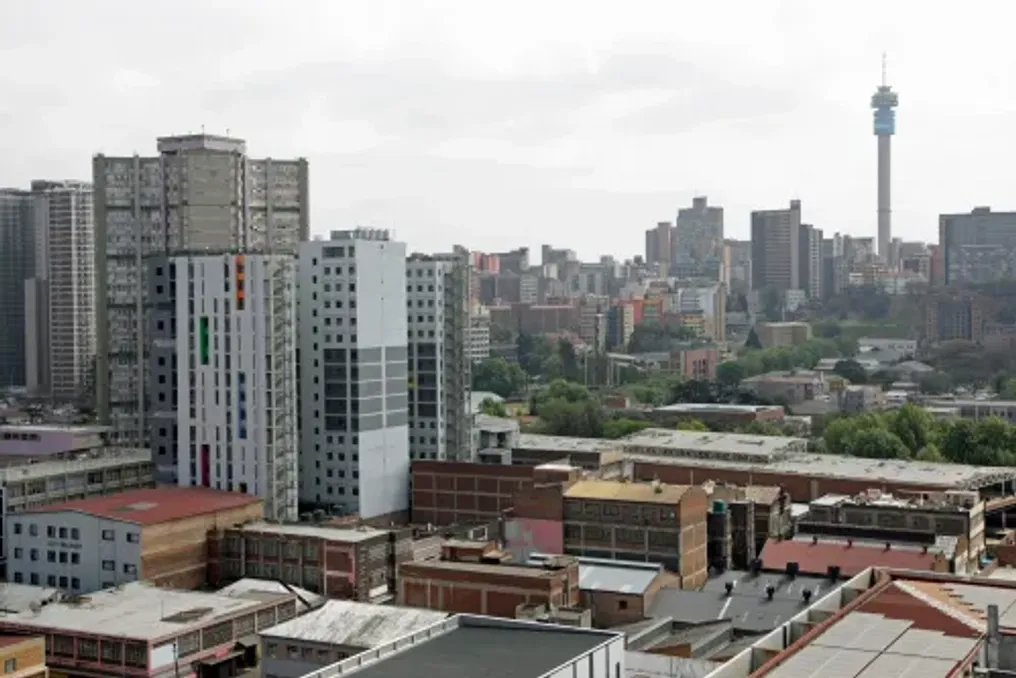
Data from the SAPOA Office Vacancy Report for Q4 2025 shows that the national office vacancy rate decreased from 15.8% in 2024 to 12.8% in 2025. However, the office sector's recovery highlights an important feature of the current property cycle: performance is becoming increasingly differentiated. Coastal markets, such as Cape Town and Umhlanga, continue to outperform Johannesburg metro, and modern, well-located areas are attracting demand that older properties in the same nodes cannot replicate.
Conclusions on Fundamentals
These results indicate that the recent sector performance is supported by solid fundamentals: retail benefits from improving consumer conditions, industry benefits from strong structural demand, and office vacancy is moving in the right direction. Nevertheless, this does not eliminate the challenges facing the sector, nor does it mean all property assets will perform equally well. It only suggests that the foundations supporting commercial real estate have become more constructive than they were a few years ago.
Ongoing geopolitical tensions are expected to create inflationary pressure and uncertainty regarding the future trajectory of interest rates both locally and globally. These factors impact economic growth, and consequently, tenants, landlords, and capital providers. However, for now, commercial real estate is in a stronger position to absorb these pressures. After four consecutive years of capital growth and the highest overall return since 2018, the discussion has shifted from whether a recovery is possible to its sustainability.