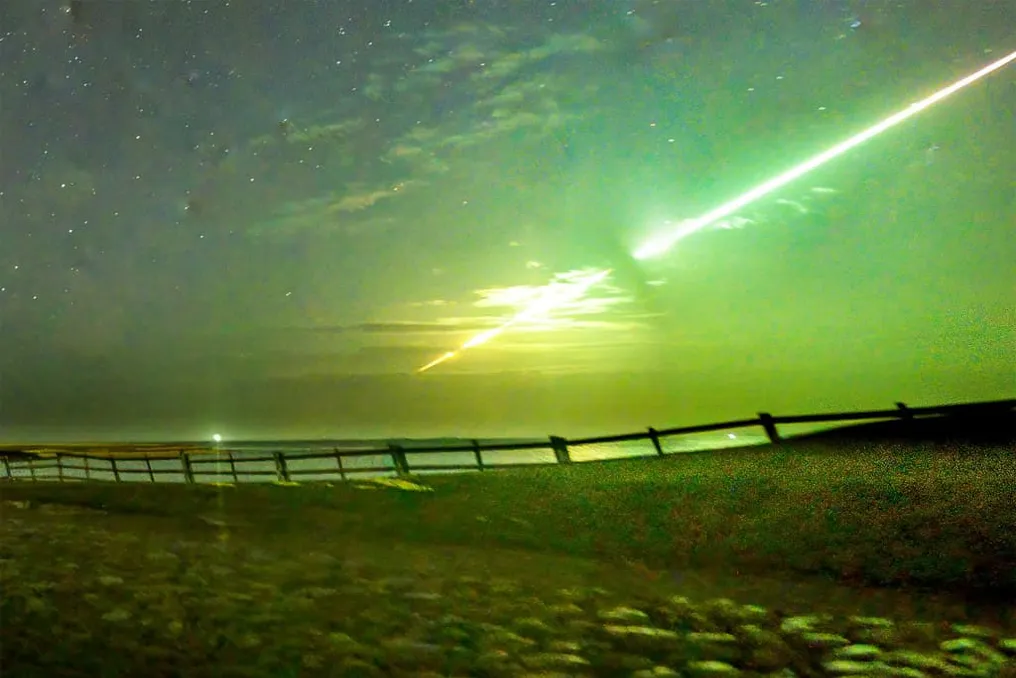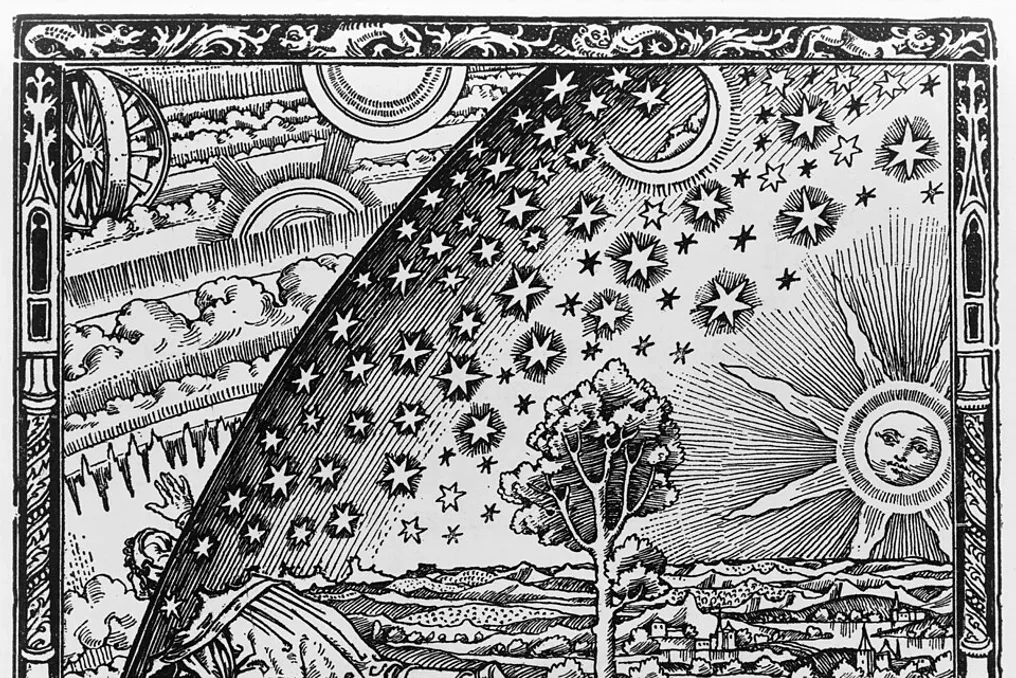
Nights on Earth once looked very different from how they do now. When the sun set below the horizon, and our ancestors gathered around fires, one only needed to look up to see a sky completely studded with stars. This need to understand celestial bodies transformed the night sky into a vast space where mythologies developed.
The Historical Role of Stars
People associated the twinkling points, creating epic narratives involving monsters, heroes, and gods that were passed down through generations. Even before the invention of telescopes, stars helped measure time, plan agriculture, and navigate the world. It was the gaze into the sky that laid the foundation for what we call science today.
The Paradox of Technological Progress
Paradoxically, everything the universe taught us is being used to develop technologies that are gradually depriving us of that very thing that sparked our curiosity—the stars.
The Evolution of Astronomical Instruments
For most of history, the main goal of astronomy was to see further. With the naked eye, planets, the brightest stars, and the Milky Way could be observed. Then came Galileo's lenses, reflector telescopes, large observatories, and finally, space telescopes. Each new technology expanded our view of the universe. However, the main task of modern astronomy is simply to see.