Rice is one of the oldest staple foods in the world, presumably first cultivated in the Yangtze River valley in China about 10,000 years ago. It has spread throughout Asia, becoming an integral part of its culture and civilization. Today, rice remains the primary food source for more than half of the world's population.
Rice in Asian Cuisine
In Asia, most meals are served with rice as a base. It is usually cooked, sometimes with aromatic or spicy spices, as is customary in South Asia. In the Middle East, rice is often prepared with meat and vegetables, giving it a special aroma and flavor. For example, festive gatherings in the UAE do not go without iconic rice dishes such as Machboos or Uzzi.
Despite the fact that rice is consumed in many parts of Asia in various ways that reflect cultural diversity, Asian cuisine offers numerous sweets based on it. These desserts range from chewy, coconut-infused cakes to sweet, comforting puddings. Sticky rice or rice flour is often used to achieve a unique texture.
Popular Asian Rice Desserts
Mango Rice (Thailand)
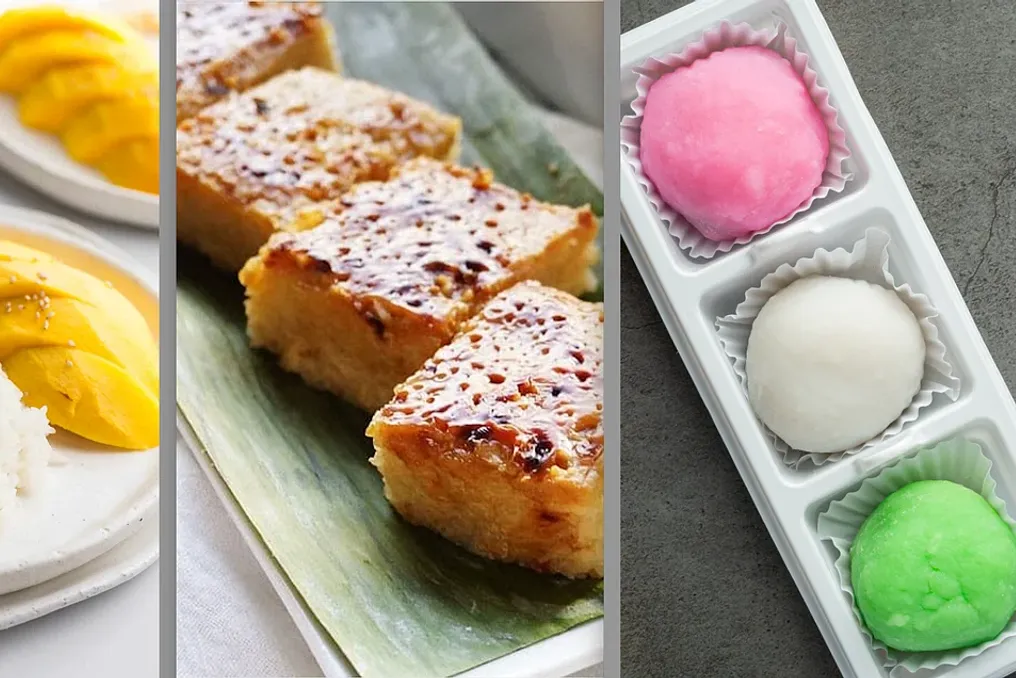
Mango Rice is an iconic Thai dessert. Slices of sweet Thai mango are placed on a plate over steamed sticky rice, which is then drizzled with rich coconut milk. Initially, it was a simple dish for Thais, but now it has become a magnet for tourists and a pride of their world-renowned cuisine. This simple, satisfying, and delicious snack makes any visit to the Kingdom of Siam unforgettable.
Biko (Philippines)
Biko is a sweet sticky rice cake that evokes warm childhood memories. It is made from coconut milk, brown sugar, and topped with coconut caramel, known locally as latik. In many regions of the Philippines, biko replaces Western cakes and is preferred by older generations of Filipinos. It is traditionally served on a bilao, a flat, round bamboo tray, and on banana leaves exposed to fire, which imparts a light, nostalgic aroma.
Klepon/Onde-Onde (Indonesia/Malaysia)
This is a traditional Indonesian delicacy made from rice flour. They are balls of cooked rice flour filled with liquid palm sugar and coated with grated coconut. The addition of pandan gives them a vibrant green color, making them both a gastronomic and visual delight. They are also a popular packaged snack for schoolchildren.
Bubur Ketan Hitam (Indonesia)
This is a soothing Indonesian porridge. Bubur Ketan Hitam is chosen by many Indonesians for breakfast or eaten between main meals. It is a pudding made from black sticky rice, served with coconut milk, making it creamy and very sticky. Like Onde-Onde, pandan water can be used to give it fragrance. Salt is often added for flavor.
Mochi/Daifuku (Japan)
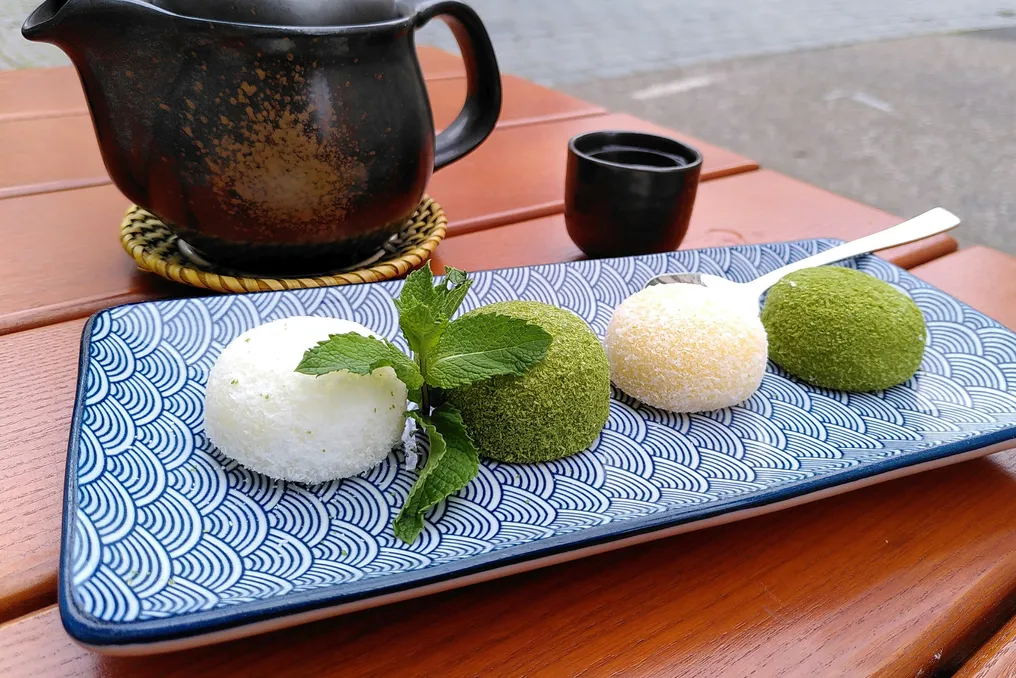
Mochi is a traditional steamed and pounded sticky rice cake that has become so famous in other countries that it is bought as a souvenir. Typical of Japanese cuisine, great attention and patience are paid to making them soft and delightfully chewy. They are often filled with sweet red bean paste (anko) or strawberry. Over time, other flavors have been invented in various pleasant colors.
Tangyuan (China)
A Chinese sticky rice dessert formed into balls. This dessert symbolizes family memories and is served in hot ginger syrup; it is usually eaten during the winter solstice. Tangyuan is often filled with sweet fillings such as black sesame, peanuts, or red bean paste, and it holds great symbolic meaning in Chinese culture. Besides its name resembling the phrase for reunion (tuan yuan), its shape also represents completeness, which is closely linked to family unity.
Yaksek/Yakbap (Korea)
This is a delicious treat rich in healthy ingredients. Rice is so versatile and central to the Asian diet that it is mixed with dried fruits, nuts, and honey to create medicinal food. Long before Western manufacturers invented granola bars for an energy boost, Koreans mixed their rice with honey, known for its healing properties, as well as beneficial fruits and nuts to make the meal more invigorating than just filling.
Conclusion on the Role of Rice
Rice and its flour have developed into a much more important part of Asian life, cuisine, and culture. Every Asian people has more dishes and desserts made from these staple ingredients. The key to understanding and enjoying them lies in traveling to as many countries in Asia as possible.