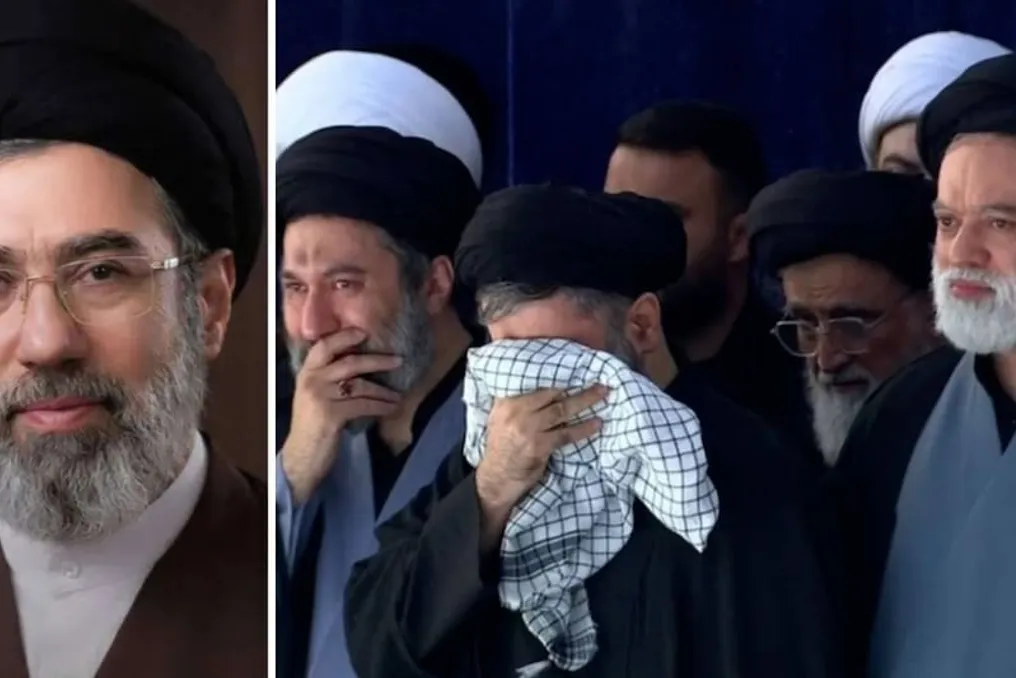
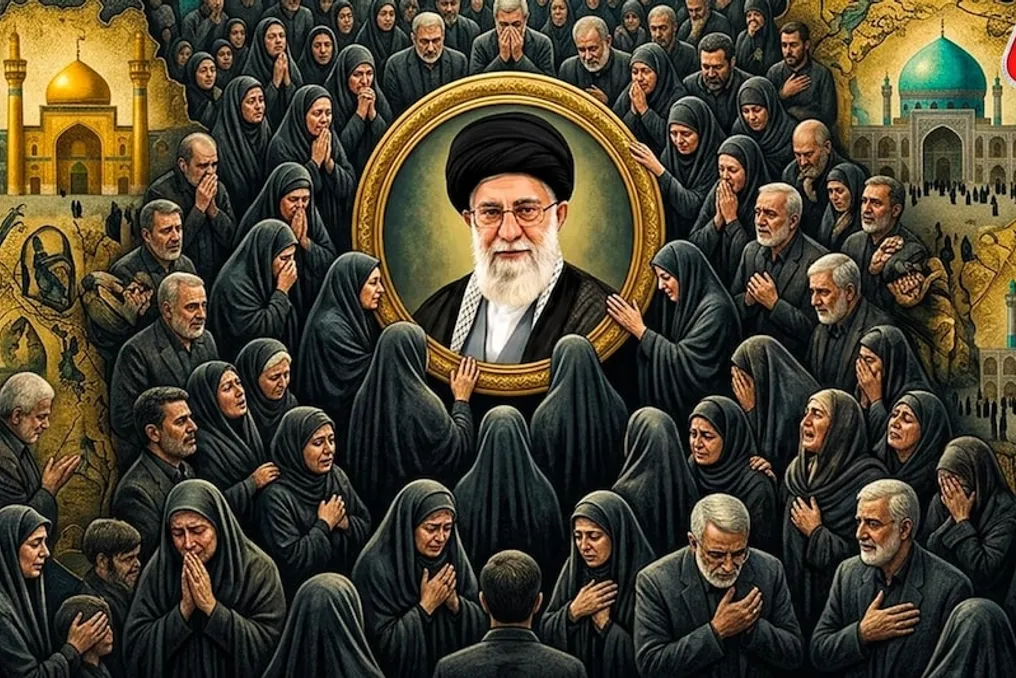
Preparations for the final journey of Ayatollah Ali Khamenei, the former supreme leader of Iran, are concluding. Following his death in an Israeli airstrike on February 28, 2026, his funeral will take place over four months later, from July 4 to July 9, 2026. The Iranian government and religious leaders intend to transform this event not merely into a burial, but into 'the biggest and most unique event in history.'
Route of the Mourning Procession
This final procession, named 'The Send-Off To Iran's Leader Of Martyrs,' spanning approximately 3000 kilometers, is not just a funeral cortege but a powerful religious, political, and diplomatic demonstration capable of altering the Middle East's political landscape.
Route Details: From Tehran to Mashhad
Despite Islamic traditions requiring a swift burial, delays occurred due to military conditions, security considerations, and special strategies. The route designed by Iran holds particular significance as it connects the holiest sites of Shia Islam. The program will begin on July 3-5 at the grand 'Imam Khomeini Grand Mosque' in Tehran. On July 3, a special mourning ceremony will be held for foreign guests and diplomats, while the public can view the last moments of Khamenei's life on July 4 and 5.
On July 6, a large mourning march of about 10 kilometers will take place in Tehran, from Imam Hussein Square to Azadi Square. Then, on July 7, Khamenei's body will be transported to the religious city of Qom, which is the largest center of Shia ulema and madrasas in Iran. The culmination will be on July 8, when the Supreme Leader of Iran will cross the border for the first time and travel to Najaf and Karbala in Iraq, which are the most revered sites for the Shia community. The journey will conclude on July 9 in the city of Mashhad, where, according to his will, Ayatollah Khamenei's body will be buried in a cemetery near the tomb of Imam Reza, the eighth Imam of Shiism.
Significance for the Shia Community
For the Shia community, feelings of grief, mourning, and martyrdom are profoundly important, as events in Karbala and the martyrdom of Imam Hussein form the basis of their faith and culture. The decision by the Iranian leadership to hold the funeral during the holy month of Muharram (July 19-24) was driven by deep religious motivations. While mourning is typically seen as an expression of sorrow, in Shia culture it is also an act of resistance against injustice and a readiness to sacrifice one's life for truth. The Iranian leadership aims to use this period of mourning as an 'inspirational opportunity,' emphasized by the slogan on posters: 'We Must Rise.'
Iran transmits the message that its supreme leader did not die but became a 'martyr,' and his martyrdom will strengthen the country. By linking sacred cities such as Qom, Najaf, Karbala, and Mashhad, Iran unites Shia Muslims across the region.
Diplomatic Reaction and Geopolitics
Global diplomatic circles are closely monitoring this event. Experts believe that through this grand event, Iran is sending several political signals to the world. Firstly, it is a demonstration of strength and resilience: despite a temporary truce following the war with the US and Israel, Iran shows that its system has not weakened after the death of the supreme leader. It is expected that 15 to 20 million people will gather in the streets of Tehran, surpassing the record attendance of Ayatollah Khomeini's funeral in 1989 and confirming Iran's internal cohesion.
Secondly, international support: The Iranian National Funeral Committee reported that over 30 countries and about 90 religious leaders have officially expressed their desire to participate in the program. The new President of Iran, Masoud Pezeshkian, invited global leaders such as Indian Prime Minister Narendra Modi to attend the funeral. Such extensive diplomatic involvement will be a decisive response to Western attempts to isolate Iran internationally.
Thirdly, regional influence: The transport of the funeral to Najaf and Karbala in Iraq is a significant geopolitical move. It demonstrates deep diplomatic and religious coordination between the Shia communities of Iran and Iraq, strengthening Iran's strategy to enhance its 'Axis of Resistance' in the region.
Iran's Future and Challenges
Behind this massive farewell ceremony lies Iran's domestic politics. Ayatollah Khamenei led Iran for 36 years. After his departure in March 2026, his son, 56-year-old Mohammad Taqi Khamenei, was appointed as the new supreme leader. However, rumors and speculation continue in diplomatic circles regarding Mohammad Taqi's health and public appearances.
The Iranian leadership also plans to use this mourning ceremony to enhance the legitimacy of the new supreme leader and to mitigate the effects of protests caused by rising prices and other problems in the country in recent months. Thus, the funeral of Ayatollah Ali Khamenei represents a unique combination of religious doctrine, profound mourning, and complex political strategy, announcing Iran's strong political will on the world stage.