A major debate is currently underway in Indian cricket, one that concerns not match results but the philosophy itself. The question arises whether past achievements have become more important than new talents within the Indian team.
Debut and Controversial Argument
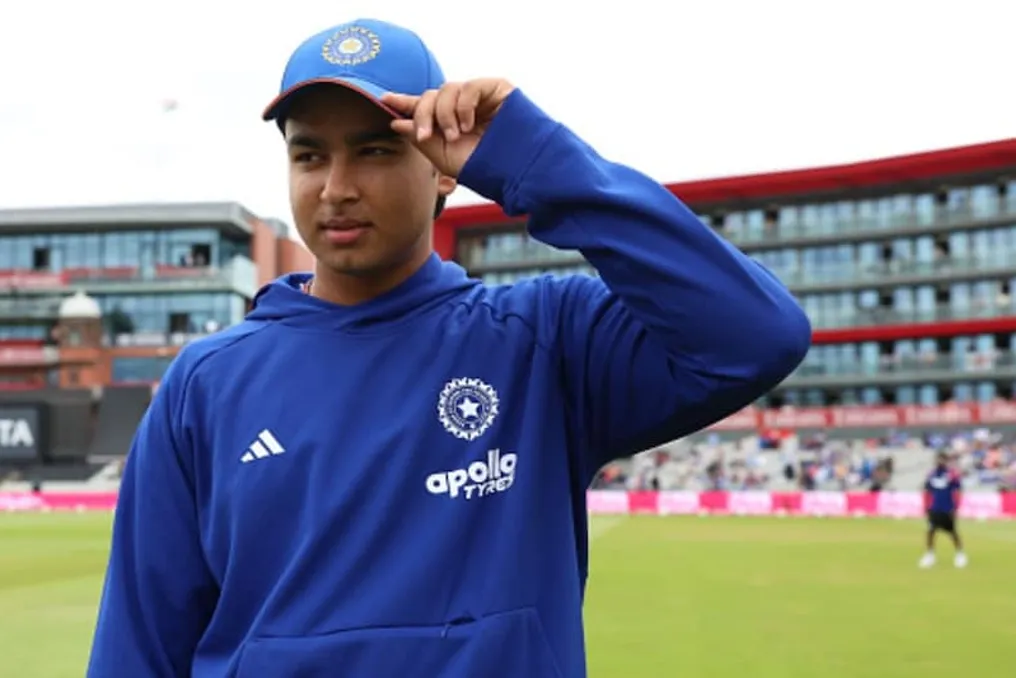
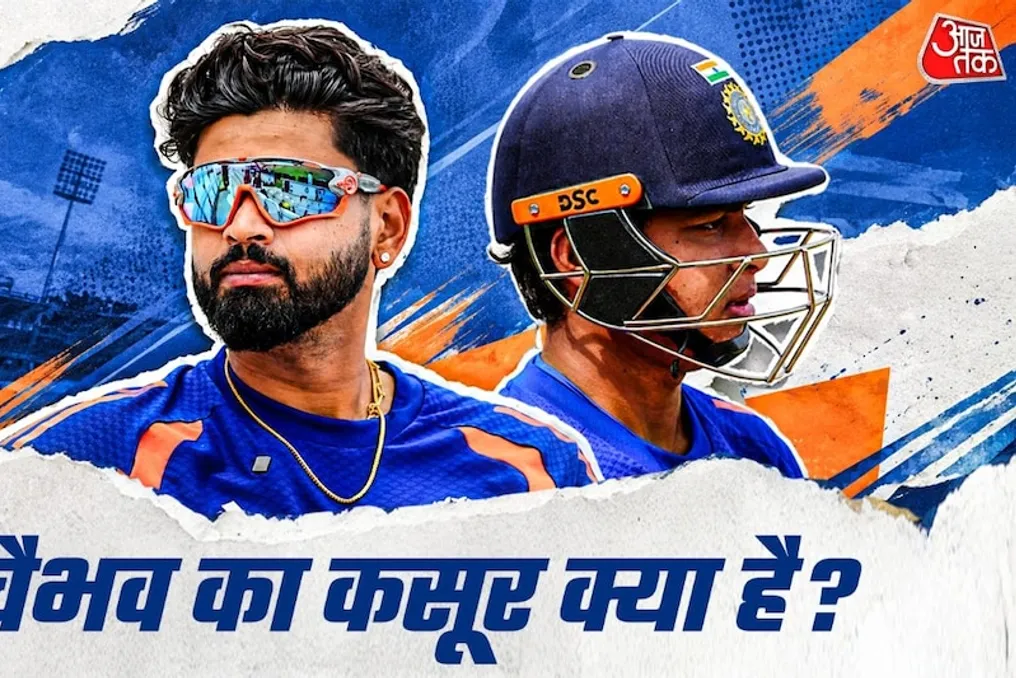
Before the first T20 match against England, when asked about the debut of 15-year-old Vivaan Suryavanshi, captain Shreyas Iyer declined to give a direct answer, stating that the team composition was confidential information. However, Iyer's subsequent argument sparked a wide discussion. He asserted that it is crucial to support players who won the T20 World Cup just a few months ago.
Testing the Theory with Ireland
The main test of Iyer's thesis came during the recent tour of Ireland. In this series, India relied on players who were part of the T20 World Cup winning squad, possessing experience and recognition. Despite this, India lost both T20 matches. Even before the series began, the team management announced that Vivaan would not debut, citing the principle of supporting world champions, but the results of the two-match series showed otherwise.
Thus, the 'world champion' title alone does not guarantee victory. If performance is the main criterion in cricket, then team selection should be based on current form and team needs, not solely on past successes.
Potential of Young Players
Being selected for the Indian squad at the age of 15 is not accidental. Vivaan Suryavanshi earned his spot in the national team through outstanding performances in junior, club, and franchise cricket. But if, after selection, he has to wait for opportunities to arise while World Cup winners are playing, a natural question arises about the purpose of his initial selection.
Was he invited merely to gain dressing room experience, or was he viewed as the future of Indian cricket?
The Strength of Indian Cricket
Indian cricket has never relied solely on achievements. Each generation here has carved out its place by challenging the previous one. If the idea that older players play only because they brought the World Cup to the country dominated, many great young talents might never have emerged in Indian cricket.
The true strength of Indian cricket has always been its uncompromising meritocratic approach. Sachin Tendulkar, Virat Kohli, Shubman Gill, and Yashasvi Jaiswal all took their places. No one was kept around only for past trophies; each generation paved the way for the next.
Distinction Between Respect and Selection
It is necessary to distinguish between respect and inclusion in the starting lineup. Players who won the World Cup deserve respect for their contribution, there is no doubt about that. However, respect and the right to play in the starting XI are two different concepts. Team selection must be determined by which player can bring the most benefit to the team at the moment. If past achievement becomes the main measure, the path for new talents will become harder.
The essence of the debate lies precisely in this. It is not a criticism of any single player, be it Sanju Samson or Abhishek Sharma. The question is only whether Indian cricket will maintain its core principle—meritocracy and performance—or if decisions will be made based on past merits. Shreyas Iyer's statement ceased to be just an answer at a press conference; it raised a discussion about the philosophy of selection in Indian cricket, and at the center of this debate is a 15-year-old boy who simply wants a chance to prove himself.