When travelers dream of a tropical island getaway in the Indian Ocean, destinations like Mauritius, Seychelles, and Zanzibar often feature on their lists. However, hidden between Mozambique and Madagascar lies an archipelago that remains one of Africa's least-known gems.
The Union of the Comoros is a place featuring volcanic peaks, fragrant ylang-ylang plantations, coral reefs, and tranquil beaches where local fishing boats often outnumber tourists. For those wishing to escape well-trodden tourist routes, the Comoros offer an authentic island experience shaped by centuries of African, Arab, and French influence. It is a place where nature retains its wild character, communities warmly welcome guests, and adventures are rarely accompanied by crowds.
Volcanic Paradise and Landscapes
The Comoro archipelago formed due to volcanic activity, and its impressive landscapes are one of the main attractions. Mount Karthala rises above Grande Comore, one of the world's largest active volcanoes and the country's highest point—2,361 meters. For adventure lovers, climbing this peak is the country's calling card. Organized hikes usually last two days, during which tourists traverse lush tropical forests before emerging into the vast volcanic crater. On clear days, breathtaking views of the island and the entire Indian Ocean unfold.
Similar stories
Popular
The volcanic terrain also provides the Comoros with characteristic black lava fields, rugged coastlines, and fertile soils that support tropical forests and fragrant plantations.
Beaches Without Large Crowds
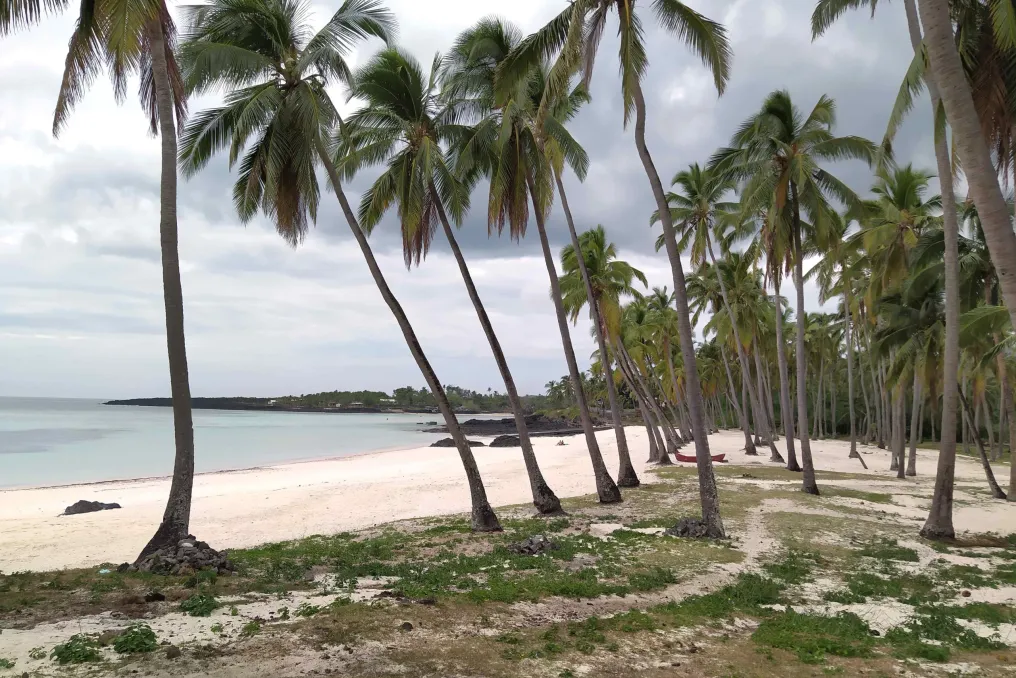
Unlike many destinations in the Indian Ocean, the Comoros have avoided mass tourism. This means visitors can often enjoy sandy stretches where the only company is local fishermen, swaying coconut palms, and the sound of waves. The islands offer a combination of white-sand beaches and dramatic volcanic coasts with calm, warm waters, ideal for swimming and snorkeling.
Popular coastal spots include: Chamori Beach on Grande Comore, Malujha Beach, known for its palm strip, and Buoni Beach, a quiet spot favored by locals. The surrounding coral reefs teem with colorful marine life, making snorkeling an easy and pleasant activity right from the shore.
Exploring Forests and Lakes
Beyond the coast, the Comoros are rich in lush forests, waterfalls, and volcanic lakes that delight curious travelers. One of the country's natural wonders is Lake Janji Bunundu (Mohéli National Park)—a picturesque crater lake surrounded by dense vegetation. Hiking trails across the islands allow visitors to see giant fruit bats, colorful birds, and endemic plant species found nowhere else on Earth. Nature lovers will appreciate that much of the Comoros remains relatively untouched, offering opportunities for peaceful walks and encounters with wildlife away from busy tourist centers.
The Scent of Ylang-Ylang
Driving through the countryside, travelers will encounter plantations where delicate yellow flowers are harvested before being distilled into fragrant essential oils. Many small producers invite visitors to observe the traditional distillation process, providing a fascinating glimpse into one of the country's most vital industries. In addition to ylang-ylang, farmers also cultivate vanilla, cloves, and other spices that fill the island's air with aromas.
Rich Cultural Heritage
The history of the Comoros was shaped by traders and settlers from across the Indian Ocean, resulting in a fascinating blend of cultures. African traditions mix with Arab influence, while French colonial heritage is evident in the language, architecture, and cuisine. Swahili culture also plays an important role in daily life. Guests can stroll through vibrant markets filled with tropical fruits, spices, and handicrafts, admire intricately carved wooden doors, and savor fresh seafood seasoned with coconut, cloves, and local vanilla. Traditional music and dances remain an important part of celebrations, giving travelers an authentic insight into island life.
Marine Life and Conservation
The waters around the Comoros are exceptionally rich in marine biodiversity. Snorkelers and divers can explore healthy coral reefs populated by tropical fish, rays, and sea turtles, while seasonal visitors may spot dolphins or migrating humpback whales. Mohéli Marine Park is particularly known for its conservation efforts. The island's beaches serve as important nesting sites for green sea turtles, and responsible tourism initiatives help protect these fragile ecosystems while supporting local communities. For underwater enthusiasts, the Comoros offer the chance to enjoy magnificent marine life without competing with large diving groups.
The Slow Pace of Island Life
Part of the appeal of the Comoros is the slower pace of life. Life moves to the rhythm of fishing boats returning to shore, calls to prayer echoing over villages, and bustling local markets, rather than resort entertainment schedules. Accommodation ranges from family guesthouses to boutique eco-lodges, offering opportunities to interact with locals and explore the islands beyond typical beach holidays. For travelers seeking a meaningful experience rather than a packed itinerary, the Comoros offer a refreshing sense of simplicity.
Trip Planning
Residents of South Africa can typically reach the Comoros via flights with layovers at regional hubs such as Addis Ababa, Nairobi, or Dar es Salaam. The dry season, from May to October, is considered the most comfortable time to visit due to warm weather and low humidity. November to April brings hotter weather and a higher probability of tropical rains. French, Arabic, and Comorian (Shikomori) languages are widely spoken, and the local currency is the Comorian franc. As with any international travel, travelers should check the latest visa requirements, health advisories, and entry regulations before departure.
Why Now Is the Perfect Time to Visit
As travelers increasingly seek destinations that prioritize authenticity over mass tourism, the Comoros stand out as one of the last truly undiscovered spots in the Indian Ocean. Their volcanic landscapes, fragrant spice plantations, vibrant culture, and uncrowded beaches offer something increasingly rare: the feeling of discovering a place before everyone else does. Whether you are conquering the slopes of an active volcano, watching sea turtles nest on a quiet beach, or inhaling the sweet scent of ylang-ylang drifting from the hills, the Comoros prove that some of the most rewarding journeys begin where the crowds end.
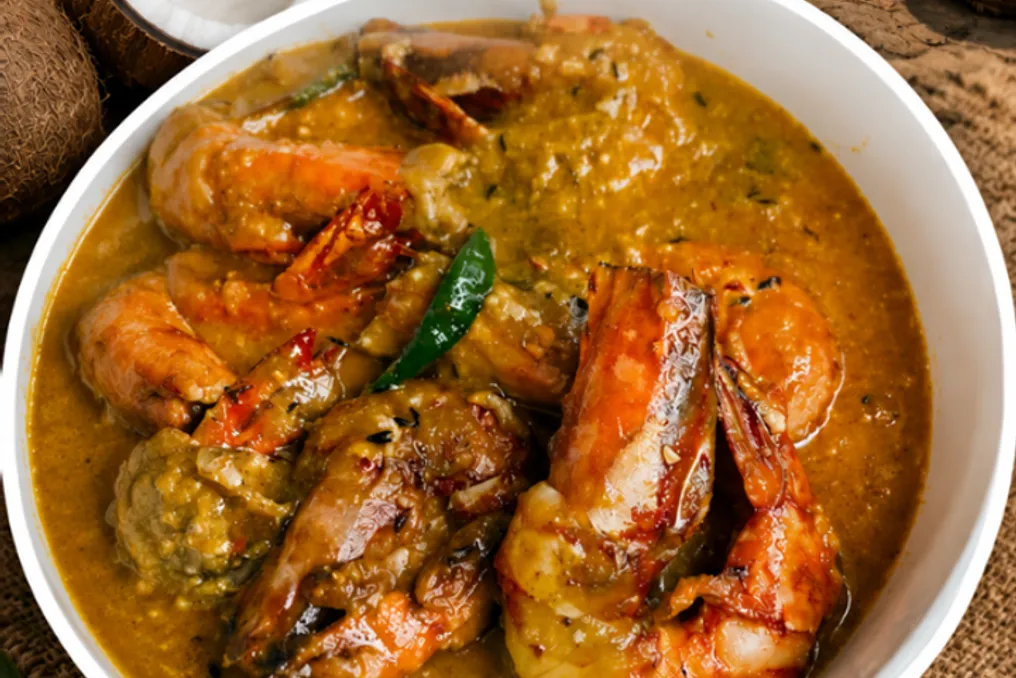
Chingri Malai Curry, a popular dish of Bengali cuisine, is made from shrimp in a creamy coconut sauce. Although many believe that the word 'malai' means cream, historians suggest that it originates from the word 'Malay'. This assumption is based on ancient trade routes along the coast of Bengal. Thanks to rivers and access to the Bay of Bengal, the region was a major trading center as early as the second millennium BCE. Historical records indicate visits to the subcontinent by traders from Malaya and Southeast Asia during the Pala and Chandra dynasties. Bengal ports, such as Satgaon and Chittagong, had direct links with Burma, Malacca, and Aceh, where coconut dishes were common. The work of food historian K. T. Acharya traces how trade through the Bay of Bengal transported ingredients and culinary techniques between regions.
The Bihar government has initiated a judicial inquiry into the controversial police encounter that resulted in the death of 28-year-old activist Bharat Bhushan Tiwari in Bhojpur district. The incident occurred on June 17 during a standoff between Tiwari and police personnel from the Special Task Force (STF). While police assert that Tiwari fired upon officers, circulating social media video suggests he discarded his pistol just before the shooting, leading to claims he may have been killed after surrendering. This event has caused significant political unrest in Bihar, prompting opposition parties to demand accountability. In response to public outcry, the government ordered an independent probe to be conducted by a retired High Court judge. Additionally, the government has suspended four police personnel, including the local Station House Officer (SHO), pending the investigation's results.