Although the death of the Sun is an inevitable and distant event, a recent scientific study is providing new perspectives on what might happen to planetary systems after stellar collapse.
The End of the Sun and Planetary Destiny
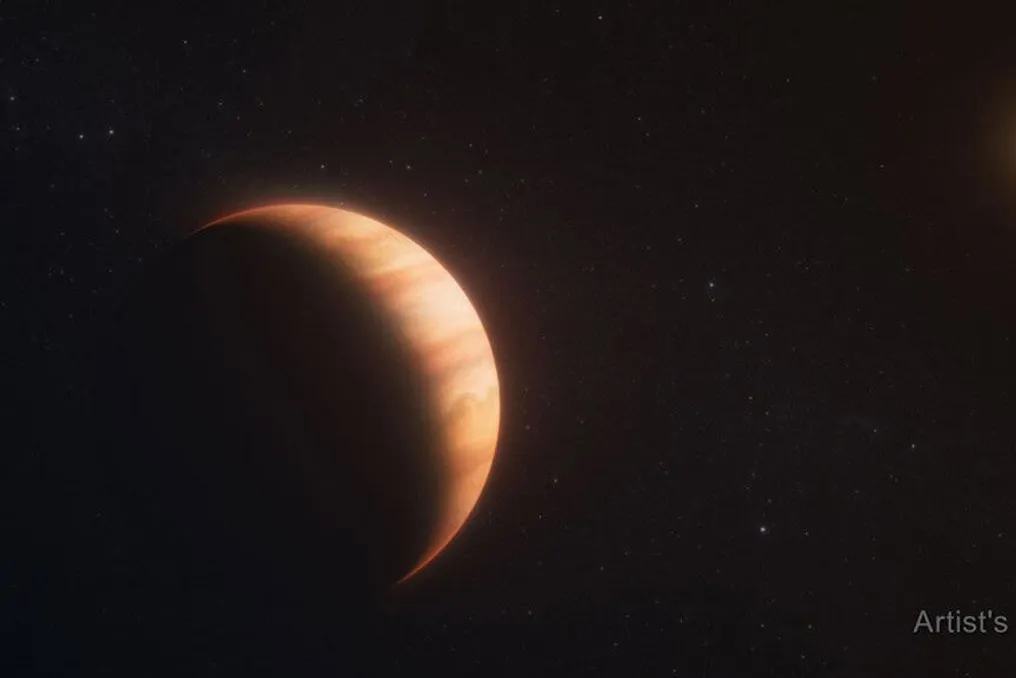
Understanding what will happen when the Sun exhausts its nuclear fuel is a central issue in modern astronomy, as its end will define the fate of the Solar System and Earth. A new study conducted by researchers from the University of St Andrews, UK, and published in the journal Nature, shed light on this topic. Using data collected by the James Webb Space Telescope, an international team analyzed a giant planet orbiting a white dwarf, allowing them to reconstruct its trajectory.
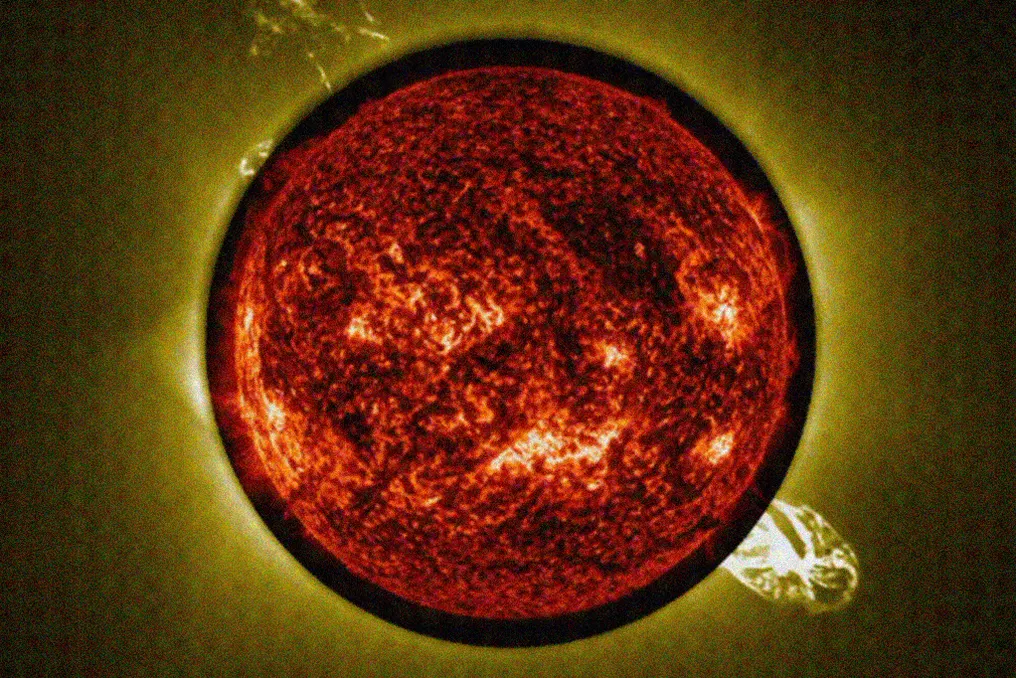
The results suggest that the end of a star does not necessarily imply the extinction of all planets in the system. In about five billion years, the Sun will consume the hydrogen in its core, transforming into a red giant, with a size over one hundred times its current size. Certainly, Mercury and Venus will disappear, and Earth faces a similar risk. Subsequently, the outer layers of the Sun will be expelled, leaving only the core, a dense white dwarf with approximately half the solar mass concentrated in a reduced volume.