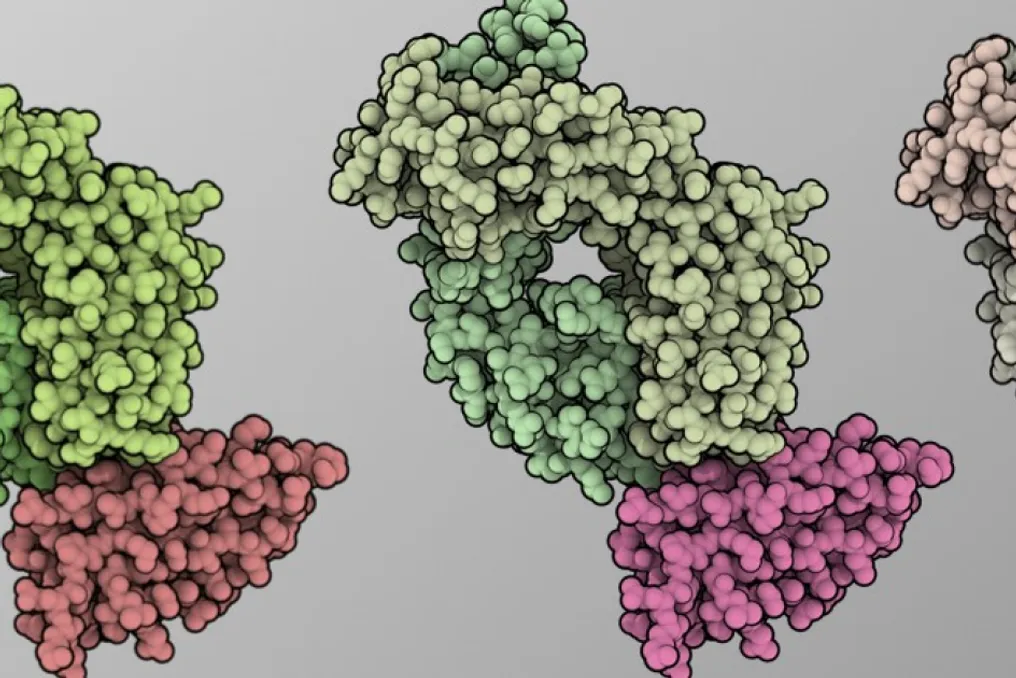
It was found that the use of proton pump inhibitors and antibiotics negatively affects the treatment outcomes for non-small cell lung cancer when using durvalumab—a monoclonal antibody targeting the membrane protein PD-L1. According to data published in The Lancet Oncology, both types of drugs reduced the time to progression-free survival by six to nine months.
Role of Gut Microbiota
Recent scientific research has highlighted the significant role of gut microbiota in altering the effectiveness of immune checkpoint inhibitors in oncological diseases. Specifically, patients with metastases and non-small cell lung cancer showed a more severe course of the disease when taking proton pump inhibitors, which is presumably linked to intestinal microbiome disruption. Nevertheless, researchers note that it is not yet clear whether these effects depend on the stage of the disease or on the specific immunotherapy agent.
Study of Drug Influence
A group of researchers led by Alessio Cortellini from the Agostino Gemelli University Hospital conducted a study on the influence of taking proton pump inhibitors and antibiotics on the efficacy of durvalumab. This drug is a monoclonal antibody that blocks the interaction between the programmed death-1 receptor (PD-1) and its ligand (PD-L1). Durvalumab was used in patients with stage III unresectable non-small cell lung cancer. The treatment consisted of administering the drug at a dose of ten milligrams per kilogram of body weight intravenously every two weeks for one year, concurrently with radiation therapy.